As the calendar approaches the third Sunday of June, Peru’s retail sector is bracing for one of the most critical commercial windows of the year: Father’s Day. However, the 2024 landscape reveals a significant shift in consumer psychology. A comprehensive study conducted by the Market Research Group (GRIM) of the Universidad San Ignacio de Loyola (USIL) indicates that Peruvian households are prioritizing financial health and pragmatic spending over the indulgence that often characterizes holiday shopping.
This shift toward "cautious consumption" suggests that while the emotional impetus to celebrate remains as strong as ever, the methods of payment and the nature of the gifts being selected are undergoing a structural change, largely driven by a desire to avoid debt.
The Financial Pulse: A Shift Toward Immediate Liquidity
The most striking revelation from the USIL report is the dramatic decline in the use of credit as a primary payment vehicle. In an era where "buy now, pay later" models have permeated global retail, the Peruvian consumer is moving in the opposite direction.
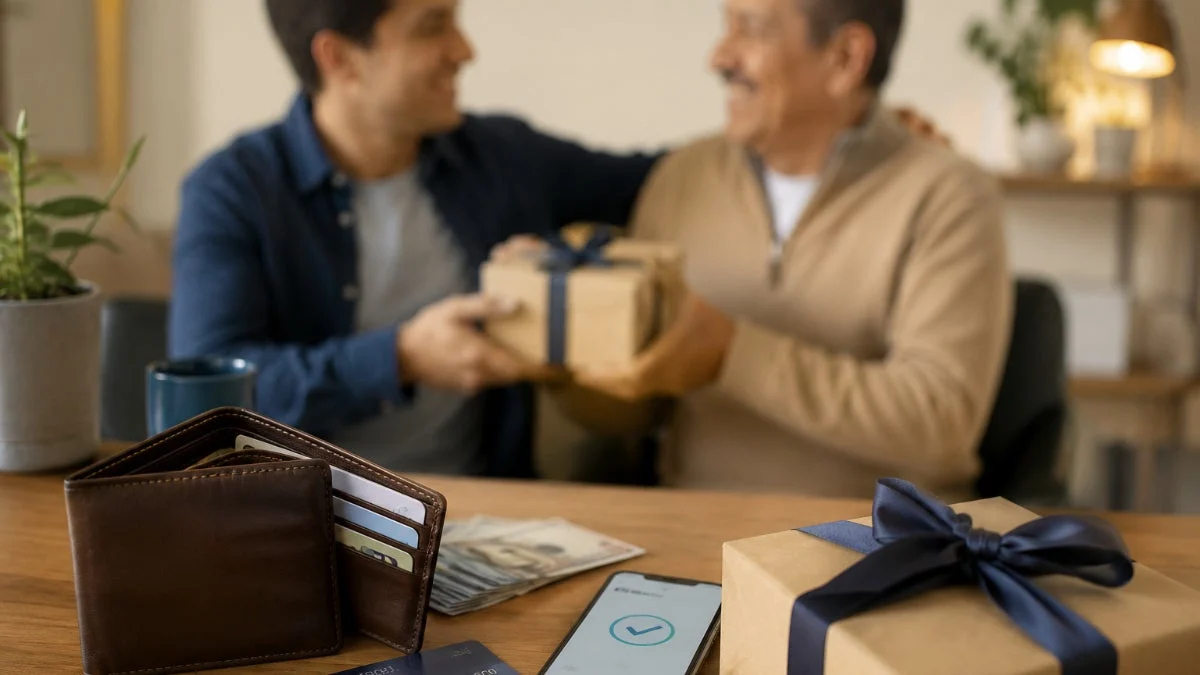
According to the data, 66.5% of total purchases for Father’s Day will be settled using immediate payment methods. Specifically, 51.5% of consumers will rely on cash or debit cards, while 15% will utilize digital wallets such as Yape or Plin. This reliance on "disposable" income reflects a broader macroeconomic caution.
Conversely, the use of credit cards has plummeted in popularity. Only 23% of respondents plan to use their credit cards for a single-payment transaction, and a mere 7% intend to utilize financing or installment plans. This data is a clear indicator that Peruvian families are increasingly wary of the interest-rate burden and are opting to keep their personal balance sheets lean.
Chronology of Consumer Behavior: From Planning to Execution
To understand the rhythm of this year’s campaign, it is essential to look at the timeline of consumer behavior:
- Early June (Strategic Assessment): Consumers began the month by evaluating their available budgets. The USIL study highlights that the intention to purchase a gift has dropped to 88%, compared to the 94% recorded in the same period last year. This slight contraction in volume confirms a more selective approach to gift-giving.
- The Mid-Month Surge: The data indicates that 53% of consumers prefer to conduct their shopping in the final week leading up to the celebration. This creates a high-pressure, high-volume environment for physical retailers, who must manage inventory and foot traffic effectively during this concentrated window.
- The Celebration: Despite the financial constraints, the core objective remains social. The study notes that 76.75% of respondents identify the primary purpose of the day as "sharing time with family," reinforcing that the gift is a secondary component to the emotional value of the event.
Supporting Data: Mapping the Expenditure
The USIL report provides a granular breakdown of how much the average Peruvian is willing to spend, painting a picture of "moderated investment."
Spending Tiers
- The Majority Segment (S/100 to S/200): This range accounts for 43% of total shoppers, establishing it as the "sweet spot" for retailers.
- The Budget-Conscious Segment (S/50 to S/100): Representing 23.3% of the market, this group focuses on tokens of affection that offer maximum utility at a low cost.
- The Premium Segment (S/200 to S/500): Comprising 22% of shoppers, this group maintains a steady level of investment despite the current economic climate.
- The High-End Outliers: Only a very small fraction of the population plans to spend above S/500, suggesting that luxury retail may face headwinds this season.
The Preference for Utility
When it comes to the nature of the gift, sentimentality is being channeled through functionality. The top-performing categories are:
- Apparel and Footwear (37%): Retaining its position as the preferred category, confirming that consumers want to provide something the father will actually use in his daily life.
- Accessories and Wallets (18%): A staple in the Father’s Day market that continues to perform well due to its mix of prestige and utility.
- Fragrances and Personal Care (18%): These items remain a traditional favorite, often benefiting from the "quality-first" mentality expressed by 53% of the study’s participants.
Official Perspectives and Market Implications
The findings from the USIL/GRIM study have sent ripples through the business community. Retail analysts suggest that the rise of digital payment methods like Yape and Plin is not just a trend but a fundamental change in how retail interfaces with the consumer.
The government, represented by the tax authority (SUNAT), has even begun discussing the regulation of digital wallets, proposing that payment confirmations via these apps be treated as electronic receipts. This regulatory interest underscores how vital these platforms have become to the informal and formal economy alike.
For retailers, the implication is clear: the "spray and pray" marketing model is losing its effectiveness. With 53% of consumers citing "product quality" as their primary driver and only 15% citing "discounts and promotions," businesses must pivot toward emphasizing value, durability, and craftsmanship. The reliance on physical stores—where 67% of consumers prefer to shop—further emphasizes the need for an enhanced in-store experience that focuses on service and product demonstration rather than merely aggressive price-cutting.
Future Outlook: Resilience Amidst Caution
The 2024 Father’s Day campaign is a microcosm of the current Peruvian economic mood. While there is no signal of a total halt in consumption, there is a clear "quality over quantity" mandate. The fact that 57% of consumers intend to spend the same amount as they did last year, while only 36% plan to increase their budget, suggests that the market is stable but not expanding significantly.
Retailers who survive and thrive this season will likely be those who understand that today’s father—and by extension, the person buying his gift—values stability and utility. The shift away from credit card debt toward debit and digital wallet usage is a long-term positive for the individual consumer’s financial health, even if it forces retailers to work harder to capture share of wallet.
Ultimately, the data from the USIL study serves as a reminder that the retail sector is not immune to the shifts in the broader socioeconomic environment. As Peruvians prepare to honor the paternal figure, they are doing so with a newfound discipline. The celebration is no longer defined by the price tag, but by the practical and enduring nature of the gesture, reflecting a society that, while cautious, remains committed to its traditions and family ties.
As we look toward the final days before the celebration, the retail sector must remain agile. With 53% of the market waiting until the final week to make their purchases, the battle for the consumer’s attention will be won in the aisles of physical stores, where the tangible quality of the gift will be the ultimate deciding factor. For the Peruvian retailer, the path to success in 2024 is paved with clear, value-driven communication, a seamless checkout experience via digital wallets, and a deep respect for the consumer’s newfound focus on fiscal responsibility.