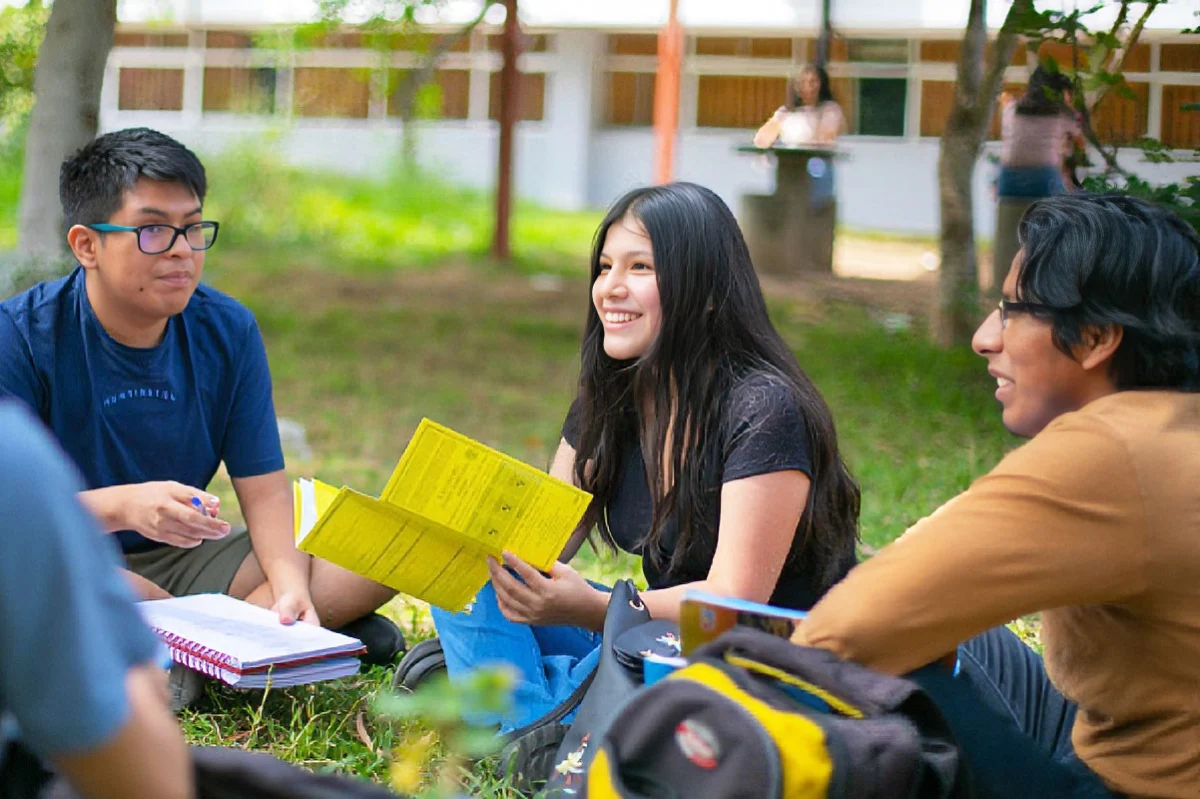
The pursuit of higher education in Peru has reached a pivotal juncture with the official launch of the 2027 edition of "Beca 18," the nation’s flagship scholarship program managed by the National Program for Scholarships and Educational Credit (Pronabec), under the Ministry of Education. This year, the initiative aims to transform the lives of 6,000 talented young Peruvians by providing comprehensive funding for professional degrees, with a heightened emphasis on those living in conditions of poverty or extreme poverty.
The application window for this highly competitive program is now open, with a firm deadline set for Friday, October 16, at 11:59 p.m. As the nation grapples with economic challenges and a shifting labor market, Beca 18 emerges as a vital mechanism for social mobility and human capital development.
Main Facts: What You Need to Know
Beca 18 is designed to identify and support high-achieving students who face financial barriers to pursuing tertiary education. The 2027 call is characterized by a robust, entirely virtual, and free application process.
Eligibility Criteria
To qualify, candidates must be either current final-year high school students or graduates who have demonstrated exceptional academic performance. Crucially, applicants must fall within specific vulnerability categories defined by the state. The program encompasses nine distinct application modalities, each tailored to specific demographics, such as residents of the Amazon region, victims of historical violence, or students from rural areas.
The Financial Package
The scholarship is more than just a tuition waiver; it is a holistic financial support system. For all recipients, Pronabec covers:
- University enrollment and tuition fees.
- Academic degree and title certification costs.
- Academic leveling programs (where required).
For those who can verify their status of poverty or extreme poverty through the Household Targeting System (Sisfoh), the benefits expand significantly. These students receive stipends for:
- English language studies.
- Living expenses, including housing and food.
- Transportation and study materials.
- Necessary technology, such as laptops, and, where applicable, uniforms.
Chronology of the 2027 Process
Understanding the timeline is critical for any prospective applicant. The process is strictly regulated to ensure transparency and equity:
- Current Phase (Registration): Open now until Friday, October 16. Interested parties must complete their profiles and submit necessary documentation via the official portal: www.pronabec.gob.pe/beca-18.
- Selection Phase: Following the verification of requirements, eligible candidates will move to the testing stage.
- National Preselection Exam: Scheduled for Sunday, November 22. This is a crucial, high-stakes moment where candidates will face a standardized assessment consisting of 60 questions measuring mathematical and reading competencies. The exam will be administered simultaneously across the country to ensure national parity.
- Post-Exam Evaluation: Final selections will be made based on exam scores and the specific criteria tied to the nine modalities of the program.
Strategic Alignment: Supporting National Needs
A defining characteristic of the 2027 Beca 18 program is its deliberate alignment with Peru’s national economic and development goals. Pronabec has moved away from a "one-size-fits-all" approach to scholarship allocation, opting instead for a model that feeds into the country’s most pressing labor demands.
The 50% Mandate for Public Institutions
To strengthen the national public education system, the program mandates that at least 50% of the 6,000 available scholarships be utilized at public universities or technical institutes. By channeling talent into the public sector, the government aims to revitalize regional institutions and ensure that top-tier education is accessible outside of the capital, Lima.
Prioritizing High-Demand Careers
The job market of the future requires specialized skills. Therefore, the program places a heavy emphasis on "prioritized careers." For students choosing private institutions, the scholarship is tied to fields identified by the 2026 Occupational Demand Survey (conducted by the Ministry of Labor and Employment Promotion) or those outlined in the Strategic Plan for National Development 2050.
In the public sector, 80% of vacancies are earmarked for these high-priority, non-traditional sectors. This strategic pivot ensures that graduates are not only educated but are also highly employable in fields that will drive Peru’s GDP in the coming decades.
Inclusivity and Accessibility: A Commitment to Equity
Pronabec has reinforced its commitment to diversity, ensuring that Beca 18 remains an inclusive pillar of Peruvian society. A specific quota of 0.5% of total scholarships is reserved for individuals with disabilities.
To ensure these students are not disadvantaged by systemic barriers, those with disabilities are exempt from age limits and receive additional points during the evaluation process. This acknowledgment of individual circumstances is a cornerstone of the 2027 strategy, reflecting a broader governmental push toward a more inclusive educational landscape.
Official Responses and Support Channels
The Ministry of Education has emphasized that the transition to a virtual, automated system is intended to eliminate bureaucracy and prevent corruption. By providing a streamlined digital portal, the government aims to ensure that students from the most remote parts of the Andes and the Amazon have the same access as those in major cities.
For students requiring assistance, Pronabec has deployed multiple support channels:
- Digital: www.pronabec.gob.pe/beca-18 serves as the primary hub for information and application.
- Social Media: Real-time updates and community support are available via the official Facebook page: www.facebook.com/PRONABEC.
- Instant Messaging: The dedicated WhatsApp line, 914 121 106, is active for direct queries.
- Telephonic Support: A free national line, 0800 000 18, and the central office line (01) 612 8230, are staffed to guide applicants through the nuances of the 2027 rules. Additionally, the "Aló MAC" service (1800) is available for those requiring face-to-face guidance at government service centers.
Implications: The Long-Term Impact on Peruvian Society
The launch of the 2027 Beca 18 is not merely a bureaucratic process; it is an investment in the socio-economic future of Peru. By alleviating the financial burden of higher education for the most vulnerable, the state is effectively breaking the cycle of intergenerational poverty.
Socio-Economic Mobility
Education is the most potent tool for social mobility. When a student from an impoverished household secures a degree in an engineering or technical field prioritized by the national development plan, they are not only changing their own life but are also contributing to a more skilled national workforce.
Bridging the Gap
The emphasis on regional public universities and non-traditional careers is a direct attempt to bridge the "development gap" between Lima and the provinces. By incentivizing students to remain in their regions and study fields relevant to their local industries, the program promotes decentralized growth.
The Challenge Ahead
While the ambition of the 2027 program is clear, its success will depend on the continued efficacy of the Sisfoh verification process and the ability of academic institutions to accommodate the influx of new scholarship recipients. Furthermore, the focus on "high-demand" careers requires a constant dialogue between the Ministry of Education and the private sector to ensure that the curriculum remains relevant to a globalized economy.
In conclusion, Beca 18 stands as a testament to the idea that talent is distributed equally, even if opportunity is not. With the 2027 call, the Peruvian government is doubling down on its commitment to bridge this divide, ensuring that thousands of young people can transition from vulnerability to professional excellence. As the October 16 deadline approaches, the nation watches with anticipation to see who the next generation of Peruvian leaders, engineers, and innovators will be.