Introduction: The Looming Crisis in the Heart of the Amazon
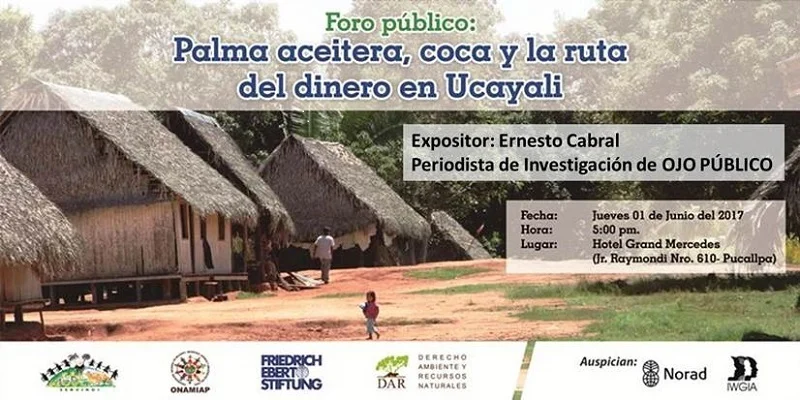
The Peruvian Amazon, specifically the Ucayali region, stands at a critical crossroads. As global demand for agricultural commodities and the persistent reach of illicit drug trafficking collide, the region has become a flashpoint for environmental degradation and socio-political upheaval. On June 1, 2017, a pivotal public forum titled "Oil Palm, Coca, and the Route of Money in Ucayali" was convened in Pucallpa to confront the opaque power structures driving this crisis.
This gathering of researchers, indigenous leaders, and policy experts sought to dismantle the narratives surrounding land use and capital flow in one of the most biodiverse regions on Earth. By examining the synergy between legal industrial agriculture and illegal coca cultivation, the forum aimed to expose how these twin pressures threaten the sovereignty of indigenous territories and the integrity of the forest ecosystem.
Main Facts: The Anatomy of the Forum
The event, held at the Hotel Grand Mercedes in Pucallpa, served as a platform to bridge the gap between investigative journalism and grassroots indigenous advocacy. The central inquiry was clear: How does the infusion of capital—both legitimate and illicit—dictate the fate of Ucayali’s forests?
Key figures driving the discourse included:
- Ernesto Cabral: A prominent investigative journalist from OjoPúblico, whose work has historically focused on corporate transparency and environmental crimes.
- Ítalo García: Representing the Network of Indigenous Communicators of Peru (REDCIP-Ucayali), who moderated the session to ensure indigenous perspectives remained at the core of the dialogue.
- A Multi-Stakeholder Panel: The discussion featured experts from Derecho, Ambiente y Recursos Naturales (DAR), the NGO ProPurús, and the Regional Organization of AIDESEP Ucayali (ORAU), represented by its president, Lizardo Cauper.
The forum was organized by a coalition of influential organizations, including the National Organization of Andean and Amazonian Indigenous Women (ONAMIAP), the Friedrich Ebert Foundation, DAR, and the intercultural communication portal Servindi.
Chronology: A Roadmap of Regional Instability
To understand the urgency of the June 1st forum, one must look at the timeline of regional development in Ucayali:
- Pre-2010: Increased government incentives for large-scale agricultural investment in the Amazon, specifically targeting oil palm expansion, began to draw scrutiny from environmental watchdogs.
- 2014-2015: Reports of large-scale deforestation linked to palm oil concessions surfaced, leading to conflicts between corporations and indigenous communities over land titles.
- 2016: The proliferation of illicit coca crops began to spread from traditional regions into the Ucayali borderlands, creating a "grey zone" where legal and illegal actors often utilize the same logistical routes.
- June 1-3, 2017: The convening of the "Governance and Forest Transparency" workshop and the associated public forum. This period served as a turning point for building capacity among indigenous communicators to monitor their own territories.
- Post-2017: Ongoing efforts to institutionalize the "vigilance" of forest resources, fueled by the knowledge shared during these sessions.
Supporting Data: The Convergence of Commodities
The "Route of Money" is not a singular path; it is a complex web of land speculation, deforestation, and money laundering.
The Oil Palm Factor
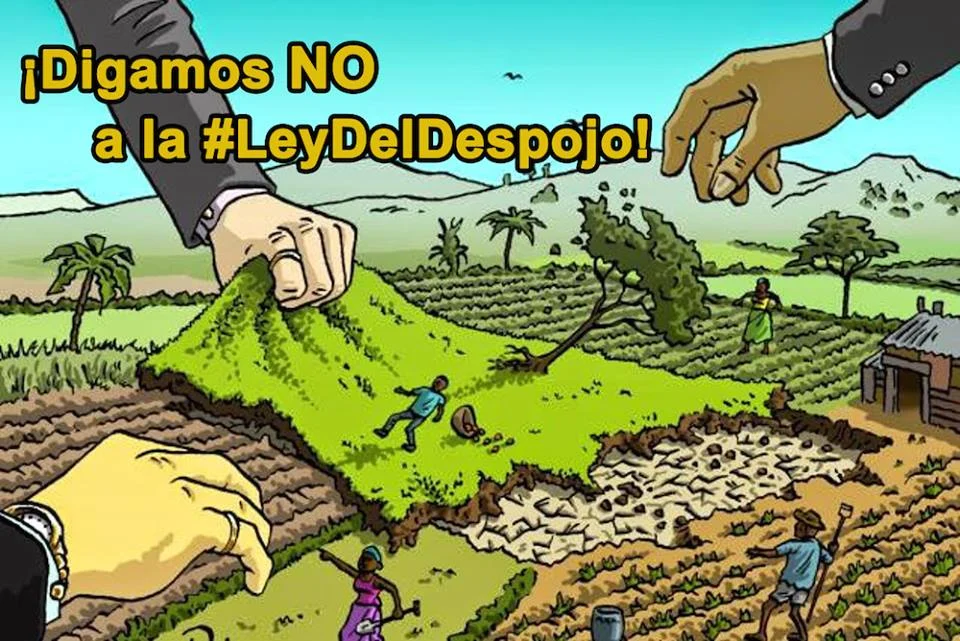
Large-scale oil palm plantations have frequently been linked to the conversion of primary forests into monoculture estates. According to data provided by investigative outlets like OjoPúblico, the expansion of these plantations is often accompanied by "land grabbing," where indigenous communal lands are improperly titled or encroached upon. This legal framework—often exploited by corporations to secure vast tracts of land—creates an environment where forest loss is treated as an externality of development.
The Coca Nexus
While oil palm represents the "legal" side of the land-use conflict, the encroachment of coca cultivation adds a violent dimension. The financial data analyzed during the forum suggested that in some parts of Ucayali, the influx of cash from drug trafficking fuels a shadow economy that destabilizes local governance. When the profits from illegal coca are laundered through regional real estate and agricultural businesses, the distinction between "legal" palm oil profits and "illegal" drug money becomes increasingly blurred.
Transparency and Climate Finance
A critical component of the forum was the discussion on "climate funds." As international donors pour millions into REDD+ (Reducing Emissions from Deforestation and Forest Degradation) and other conservation initiatives, the risk of mismanagement increases. The forum participants emphasized that without rigorous monitoring, these funds could inadvertently subsidize the very actors responsible for deforestation.
Official Responses and Expert Insights
The panel of experts brought distinct, yet complementary, viewpoints to the table.
- Lizardo Cauper (ORAU): Emphasized that the primary victims of these illicit economies are the indigenous communities who hold ancestral knowledge of the forest. He argued that the state’s failure to recognize land titles is the "open door" for both palm companies and illicit encroachers.
- Claudia Zúñiga Carrillo (DAR): Focused on the structural weaknesses in environmental governance. She highlighted that transparency in land concessions is virtually non-existent, making it impossible for citizens to track which entities are profiting from forest loss.
- Raúl Vásquez Meza (ProPurús): Provided insights into the logistical challenges of monitoring remote areas of the Ucayali region, noting that the lack of infrastructure makes illegal extraction of timber and forest products difficult to intercept without local, on-the-ground support.
The collaborative nature of the event, supported by the Norwegian Agency for Development Cooperation (NORAD), the International Work Group for Indigenous Affairs (IWGIA), and the German Cooperation (GIZ), underscored that this is not merely a regional problem, but a global concern regarding how climate funds are distributed.
Implications: Strengthening Forest Governance
The forum was not an isolated event but rather the cornerstone of a broader three-day workshop on "Forest Governance: Transparency and Forest Surveillance."
The Role of Indigenous Vigilance
The central takeaway from the training and the forum was the necessity of "indigenous vigilance." Indigenous communities are the most effective protectors of the forest, yet they often lack the tools to document illegal activity in a way that stands up in a court of law. By training indigenous communicators to use technology, mapping tools, and investigative journalism techniques, the organizers aimed to shift the power dynamic.
The "Route of Money" as a Tool for Accountability
By tracing the money, journalists and activists can hold policymakers accountable. If a palm oil company is found to be utilizing illegal financing or violating environmental standards, it risks losing access to international markets and funding. The forum’s focus on the "route of money" provides a blueprint for future investigations:
- Map the land: Identify illegal deforestation using satellite imagery.
- Follow the money: Use financial records to identify the shell companies behind the operations.
- Engage the community: Provide indigenous leaders with the evidence needed to protect their borders.
Conclusion: A Call to Action
The situation in Ucayali is a microcosm of the global battle against climate change and environmental injustice. The intersection of oil palm expansion and coca cultivation creates a lethal cocktail for the Amazonian ecosystem. However, as demonstrated by the forum on June 1, 2017, there is a growing, resilient network of indigenous leaders and journalists determined to trace the money and shine a light on the dark corridors of regional power.
The ultimate goal of these efforts—as supported by international partners like NORAD and GIZ—is to move toward a model of governance where transparency is the norm, not the exception. By equipping the people who live in the forest with the skills to monitor it, the movement to save the Amazon is moving from reactive protest to proactive, evidence-based governance.
As the sun set on the Hotel Grand Mercedes in Pucallpa that day, the message was clear: The path to protecting the Amazon lies in following the money, securing indigenous land rights, and demanding that international climate finance is managed with absolute transparency. The future of Ucayali depends on it.