As the nation approaches the critical 2026 Regional and Municipal Elections scheduled for Sunday, October 4, the electoral authorities have intensified their outreach to ensure a transparent, orderly, and peaceful democratic process. With millions of citizens expected to head to the polls, Juan Heredia, a lead specialist from the National Office of Electoral Processes (ONPE), has provided a definitive guide on the regulations that will govern the country throughout the weekend.
Understanding these rules is paramount for both voters and local businesses to avoid legal complications. From the implementation of the "Dry Law" (Ley Seca) to prohibitions on political gatherings, the electoral framework is designed to safeguard the integrity of the vote and maintain public order.
1. Main Facts: The Framework of the 2026 Elections
The 2026 Regional and Municipal Elections represent a pivotal moment for local governance. Citizens will cast their ballots to determine the future leadership of their respective regions and municipalities. To guarantee that the environment remains conducive to fair decision-making, the ONPE, in coordination with the National Jury of Elections (JNE) and the National Police, has established a strict set of protocols.
The primary objective of these regulations is to minimize external interference and ensure that the electorate can exercise their right to vote in an environment free from coercion, intimidation, or the influence of alcohol. According to Juan Heredia, the electoral process is not merely about the act of casting a ballot; it is a holistic civic responsibility that requires adherence to specific conduct codes starting days before the official opening of the polls.
2. Chronology of Restrictions: From Saturday to Monday
The electoral calendar imposes a temporal structure on the restrictions to ensure that the "cooling-off period" is effective.
The Implementation of the "Dry Law"
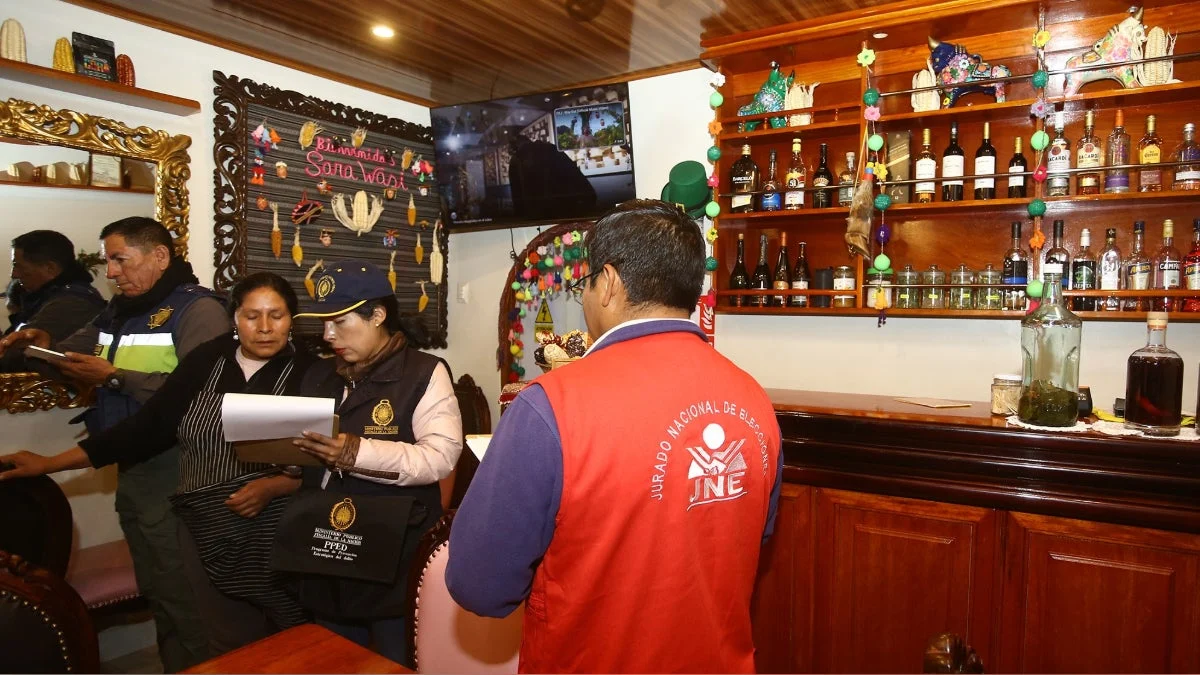
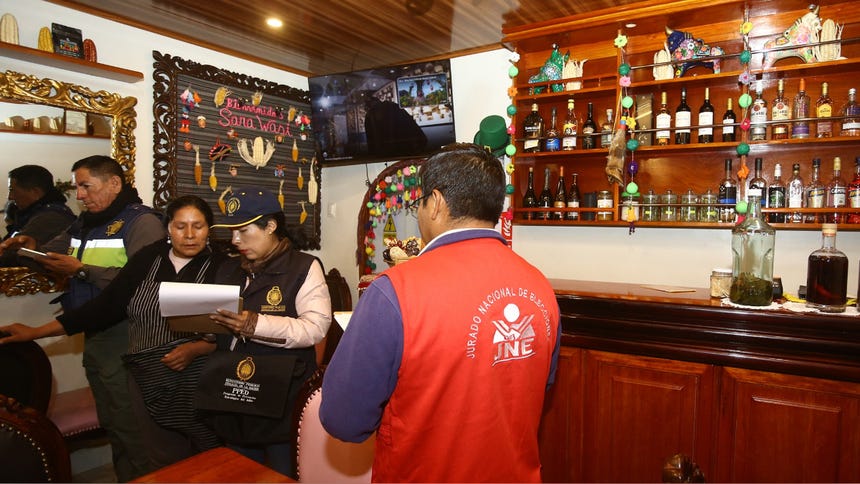
The most notable restriction is the Ley Seca, or Dry Law. According to the official mandate, the prohibition on the sale of alcoholic beverages begins at 8:00 a.m. on Saturday, October 3, and remains in full force until 8:00 a.m. on Monday, October 5.
- Saturday, Oct 3 (8:00 a.m.): The prohibition begins. All liquor stores, supermarkets, bars, and restaurants must cease the sale of any alcoholic beverages.
- Sunday, Oct 4 (Election Day): Full enforcement. Alcohol sales are strictly forbidden. Security forces will be vigilant in monitoring public and private establishments.
- Monday, Oct 5 (8:00 a.m.): The restriction is lifted, and normal commercial activities regarding the sale of alcohol may resume.
This 48-hour window is intended to ensure that voters remain clear-headed and that the atmosphere surrounding polling stations remains calm.
3. Supporting Data and Legal Consequences
The legal repercussions for failing to adhere to electoral regulations are significant. The Organic Law of Elections provides a clear framework for sanctions to discourage non-compliance.
Penalties for Selling Alcohol
Establishments that violate the Dry Law face severe consequences. The penalties include:
- Financial Sanctions: A fine equivalent to 10% of the Monthly Minimum Wage (Remuneración Mínima Vital) multiplied by 30 days. This is a substantial financial hit for any business owner.
- Criminal Liability: Beyond monetary fines, offenders may face a prison sentence of up to six months. The judiciary takes these violations seriously to maintain the sanctity of the electoral process.
The Role of Law Enforcement
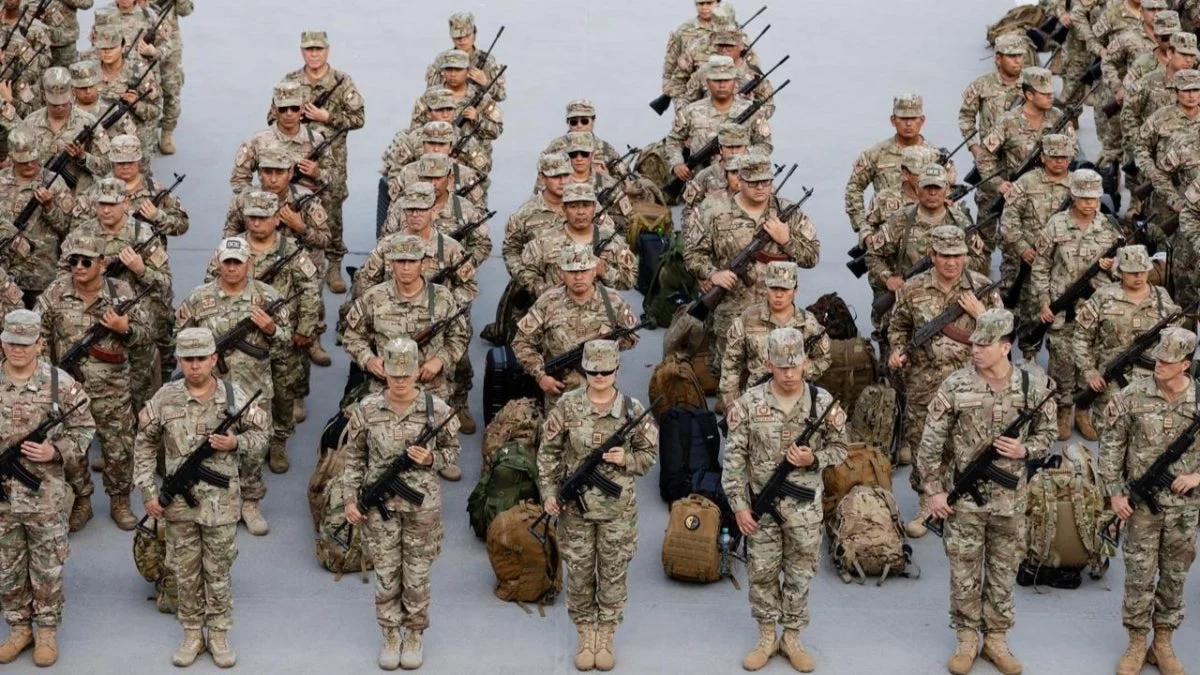
The National Police of Peru will play a vital role on election day. Officers will be stationed at the entrances of all polling locations. Their primary duty is to ensure that only eligible voters with valid documentation (DNI) enter the premises. If an individual appears to be under the influence of alcohol, they will be denied entry. This is not merely a bureaucratic measure; it is a security protocol designed to prevent disturbances and protect the members of the polling tables (miembros de mesa) from potential harassment.
4. Official Responses: Guidance for Voters and Members of Table
In his briefing, Juan Heredia addressed the common question of whether private consumption is prohibited. "The law does not explicitly forbid the consumption of alcohol within the privacy of one’s own home," Heredia clarified. However, he emphasized that this does not exempt citizens from their obligations at the polls.
The Stance on Intoxicated Voters
If a citizen arrives at their polling station in a state of inebriation, the authority of the members of the polling table is absolute. These members, who are the designated authorities for the duration of the voting process, have the right to refuse a vote if they determine the citizen is not in a condition to make a conscious decision.
"The recommendation is that if someone arrives in an intoxicated state, the members of the table should ask them to leave, have a coffee, rest, and return once the effects of the alcohol have worn off," Heredia stated. The core philosophy here is the protection of "conscious voting." Every citizen has the right to vote, but that right is inextricably linked to the capacity to participate rationally.
5. Political Gatherings and Public Order
Beyond the Dry Law, the regulation of political activities is equally critical. To prevent last-minute campaigning or clashes between opposing political factions, the law mandates a "neutrality zone."
The 100-Meter Radius Rule
Within a radius of 100 meters from any polling station, all political gatherings, demonstrations, or the distribution of campaign materials are strictly prohibited. This rule ensures that voters can reach their polling stations without being intercepted by campaign activists or agitators.
Family Gatherings vs. Political Meetings
A common point of confusion is whether citizens can congregate on election day. Heredia clarified the distinction:
- Allowed: Private, non-political gatherings. Families can assemble in their homes for meals or socializing, provided the intent is not related to the election.
- Prohibited: Any meeting or assembly that has a political character. This includes campaign rallies, public speeches, or organized efforts to influence voters within the vicinity of the polls.
The intent of the law is to prevent the transformation of the election day into a battlefield of propaganda. By limiting political activity, the authorities ensure that the final hours of the campaign conclude in a peaceful manner, allowing the electorate to reflect on their choices in silence.
6. Implications for the 2026 Election Process
The stringent nature of these regulations underscores the high stakes of the 2026 Regional and Municipal Elections. As the country looks toward these results, the electoral authorities are focusing on three main outcomes:
- Safety and Order: By strictly regulating alcohol and political gatherings, the ONPE hopes to avoid the civil disturbances that have historically marred some local elections in the region.
- Civic Integrity: The emphasis on "conscious voting" serves as a reminder to the citizenry that the election is a serious administrative and democratic duty.
- Institutional Trust: By enforcing these rules fairly—applying them to both large businesses and individual voters—the electoral bodies aim to bolster public trust in the final results, which are expected to be announced throughout November following the official recount.
Summary for Citizens
As October 4 approaches, all citizens are encouraged to check their assigned polling station via the official ONPE website, ensure their DNI is ready, and plan their day to avoid any potential conflicts with the electoral regulations. The goal of these rules is not to inconvenience the public, but to facilitate a process where the voice of the people is heard clearly, calmly, and without external pressure.
In the words of the electoral experts, the responsibility of the citizen begins with preparation. By respecting the Dry Law, adhering to the 100-meter restriction, and showing up to the polls in a clear state of mind, every voter contributes to the strength of the nation’s democracy. The 2026 elections are not just a test of the candidates; they are a test of the civic maturity of the entire population.