Executive Summary: A Balancing Act Between Workers and Productivity
As the Republic of Peru grapples with the devastating socioeconomic impact of the El Niño phenomenon, a fierce debate has emerged regarding the government’s fiscal and labor policies. At the center of the controversy is the planned second tranche of the Remuneración Mínima Vital (RMV)—the national minimum wage—which is currently slated to rise to S/ 1,300.
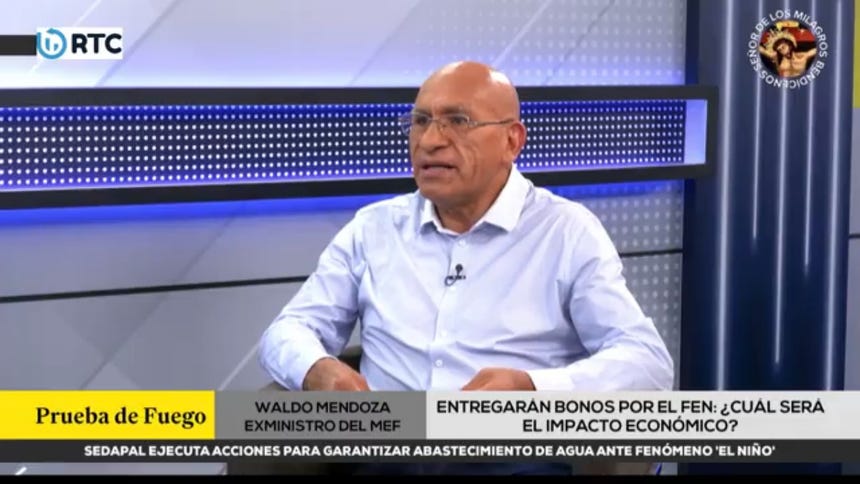
Former Minister of Economy and Finance, Waldo Mendoza, has issued a stark warning to the administration: proceeding with this wage hike during an active climate emergency could prove catastrophic for the nation’s micro and small enterprises (mypes). As these businesses struggle with reduced liquidity and disrupted supply chains, the pressure of increased labor costs risks triggering widespread layoffs and business closures. This article examines the competing priorities of protecting worker purchasing power and ensuring the survival of the backbone of the Peruvian economy.
The Core Argument: Productivity vs. Fixed Costs
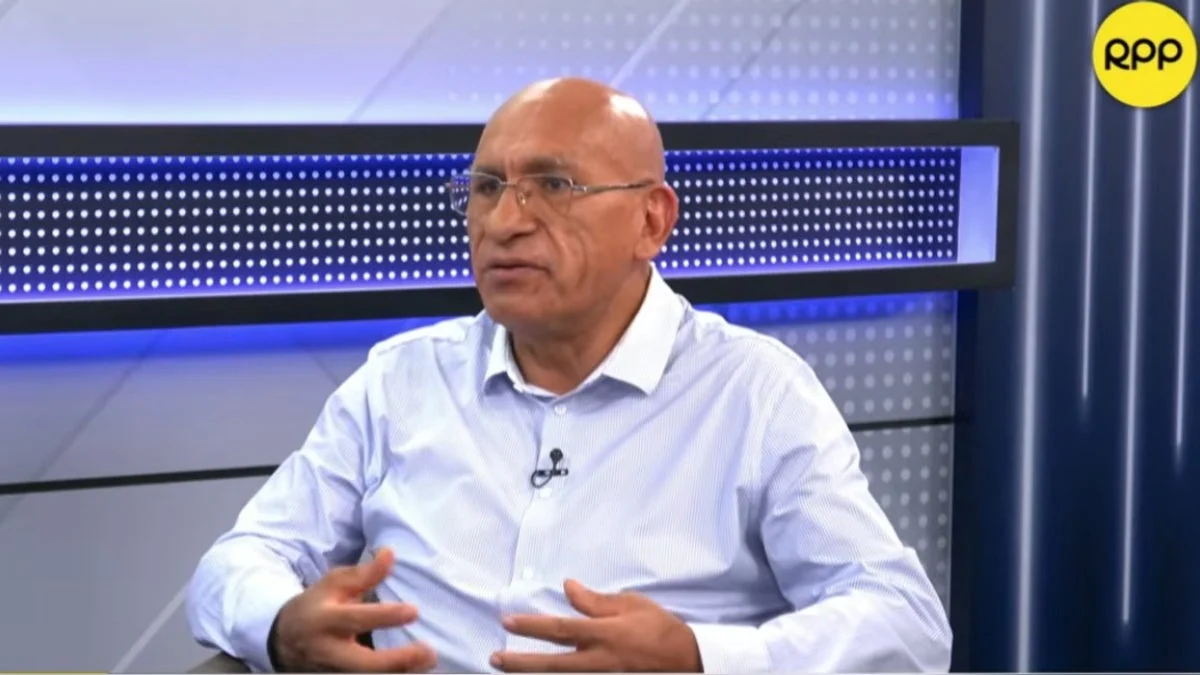
In a recent appearance on RPP TV’s Prueba de Fuego, Waldo Mendoza underscored a fundamental economic reality: the minimum wage is not a uniform burden. While large corporations may absorb incremental labor costs through economies of scale, micro and small enterprises—which operate on thin margins and possess lower productivity levels—find themselves in a precarious position.
"The minimum wage is a structural problem for small businesses, especially those with low productivity," Mendoza stated. "They simply do not have the revenue streams necessary to sustain a mandatory increase in labor costs in the current climate. It would be prudent, perhaps essential, to postpone the second phase of the increase until the effects of the El Niño phenomenon have subsided."
The Vulnerability of the MYPE Sector
The "mype" sector accounts for the vast majority of employment in Peru. When the climate crisis causes road blockages, reduces agricultural yields, or decreases foot traffic in urban centers, these businesses are the first to feel the impact. Forcing a higher salary floor during these periods of negative growth forces owners into an impossible choice: reduce their workforce to maintain solvency or operate at a loss until they are eventually forced into insolvency.
Chronology of the Wage Dispute
The timeline of the current economic policy indicates a government attempting to balance social promises with fiscal realities:
- September 2026: The government officially announces the roadmap for increasing the RMV to S/ 1,300, structured in two tranches to mitigate inflationary impact.
- October 2026: As the El Niño phenomenon intensifies, meteorological reports confirm significant damage to the agricultural and fishing sectors, leading to a contraction in GDP forecasts.
- Late October 2026: Minister of Labor Juan Sheput reaffirms the government’s commitment to the second tranche, suggesting a timeline within the first semester of 2027.
- Present Day: Leading economists, including Waldo Mendoza, publicly urge a reassessment of this timeline, arguing that the socioeconomic environment has shifted significantly since the policy was first drafted.
The "Suspension Perfecta" and Labor Flexibility
Beyond the minimum wage, the conversation has expanded to include the "suspensión perfecta de labores"—a legal mechanism that allows for the temporary cessation of work and the suspension of salary payments while maintaining the formal employment link.
Mendoza highlighted this as a necessary but high-risk "emergency valve." While it prevents mass layoffs during total operational paralysis, its implementation must be rigorously supervised by the Ministry of Labor.
Best Practices for Labor Retention
The former minister emphasized that the suspension of labor should be the last resort. He advocated for a hierarchical approach to managing labor costs during the crisis:
- Flexible Arrangements: Implementation of remote work (teletrabajo) where feasible.
- Vacation Management: Utilizing accrued vacation time to offset periods of low operational activity.
- Last Resort: Resorting to the "suspensión perfecta" only when the business is physically or legally unable to operate, with strict oversight to prevent abuse by employers who might use the crisis as a pretext to cut costs unfairly.
Supporting Data: The Impact of El Niño
The urgency of the economic situation is supported by the direct correlation between climatic disruption and sector-specific productivity.
- The Fishing Sector: The warming of sea temperatures associated with El Niño has significantly disrupted the anchovy biomass, leading to a sharp decline in export revenues and direct income for thousands of artisanal and industrial workers.
- Agricultural Output: Floods in the north and drought conditions in the southern highlands have decimated crop cycles. For smallholder farmers and the small businesses that process these goods, the "extra" cash flow required for a wage hike does not exist.
- Fiscal Space: As the government allocates emergency funds for reconstruction and social assistance, the fiscal deficit remains a concern. Increasing the minimum wage without a corresponding increase in productivity could fuel inflationary pressures, further eroding the real value of the wage hike itself.
Official Responses and Policy Outlook
Minister of Labor Juan Sheput remains the primary proponent of moving forward with the wage hike. In his previous interviews, he emphasized that the increase is a matter of social justice, intended to help families cope with the rising cost of living.
However, there is a nuance in the government’s stance. Sheput acknowledged that the administration will "evaluate the impact of the climate phenomenon on business activity" before finalizing the schedule for the second tranche. This leaves a door open for the compromise suggested by experts like Mendoza. The government is effectively trapped between the political necessity of honoring a wage promise and the economic reality of a slowing, climate-battered economy.
Implications for the Peruvian Economy
The current situation holds several long-term implications for Peru:
1. The Risk of Informality
One of the most persistent issues in the Peruvian labor market is the high rate of informality. If the government mandates a minimum wage that exceeds the productivity of a significant segment of the labor force, the likely result is not higher wages for those workers, but rather their migration into the informal sector, where they lose access to social security, health insurance, and legal protections.
2. Social Protection vs. Economic Stimulus
While Mendoza supports the government’s move to issue direct bonuses to vulnerable families, he distinguishes this from mandatory wage hikes. "Direct subsidies are a targeted, effective way to help the most affected, such as our fishermen and small farmers," he argued. "But a universal wage increase forces the cost onto the private sector, which is already struggling to stay afloat."

3. The Need for Productivity-Led Growth
Ultimately, the debate highlights the lack of a sustainable productivity growth strategy. As long as the Peruvian economy remains heavily reliant on sectors vulnerable to climate shifts, and as long as the small business sector remains under-capitalized and technologically stagnant, the minimum wage will remain a blunt instrument that does more harm than good in times of crisis.
Conclusion: A Call for Pragmatic Governance
The recommendation from Waldo Mendoza is clear: policy must be subservient to reality. While the intention behind the S/ 1,300 minimum wage is noble, the timing is fundamentally flawed due to the environmental and economic distress caused by El Niño.
The Peruvian government stands at a crossroads. It can either insist on a rigid adherence to a pre-crisis schedule, risking the bankruptcy of its most vulnerable enterprises, or it can adopt a pragmatic, data-driven approach that delays the hike until the economy shows clear signs of stabilization. By prioritizing the preservation of formal employment and providing targeted relief through state-funded bonuses, the government can navigate the current emergency without compromising the long-term viability of the nation’s labor market.
As the first half of 2027 approaches, all eyes will be on the Ministry of Labor and the Ministry of Economy and Finance. The decision they reach will serve as a bellwether for the country’s economic maturity and its capacity to handle the increasingly common challenges posed by a changing climate. The goal should not be to set a wage that looks good on paper, but to ensure that the business environment is robust enough to support the workers who drive it.