By Editorial Staff | Lima, Peru
The ambitious vision to transform the Campo de Marte—one of Lima’s most historic and vital public parks—into a modern, sustainable urban space has hit a major roadblock. The Metropolitan Investment Fund (Invermet), an entity under the Municipal Government of Lima, officially announced the termination of the contract with the consortium DISAMART, the firm previously tasked with the multibillion-sol redevelopment of the park located in the district of Jesús María.
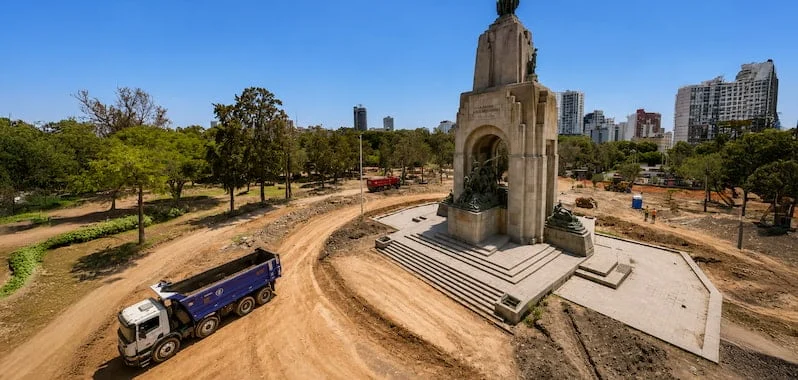
The decision, which marks a significant turning point in the project’s lifecycle, comes after months of mounting pressure from local residents, environmental activists, and civic organizations. The core of the conflict lies in the significant delays in project timelines and, more alarmingly, the visible degradation of the park’s ecological health, characterized by withered trees and decimated lawns.
The Core Facts: A Multi-Million Sol Project in Limbo
The Campo de Marte improvement project was initially budgeted at an investment of over S/ 26.7 million. The objective was to modernize the area, enhancing security, accessibility, and environmental sustainability. However, the project has been marred by controversy since its inception, with the execution phase failing to meet the rigorous standards expected for such a prominent public asset.
According to official statements from Invermet, the termination of the DISAMART contract was not a sudden impulse but a necessary administrative action. The consortium was cited for a chronic lack of progress and a failure to meet basic emergency mitigation requirements for the park’s green areas.

"The decision was adopted due to the delay in the works and the low rate of progress in the emergency tasks intended for the mitigation of green areas," Invermet stated. Furthermore, the entity confirmed it would initiate rigorous legal actions against the responsible parties, signaling that the breakdown in the contractual relationship will likely move into the judicial sphere.
Chronology of the Conflict: From Optimism to Oversight
To understand how the Campo de Marte redevelopment reached this state of stagnation, one must look at the timeline of events that unfolded over the past several months:
- Project Launch: The Municipal Government of Lima introduces the redevelopment plan, emphasizing the need for modern infrastructure, upgraded irrigation systems, and improved pedestrian access.
- Initial Concerns: Shortly after the breaking of ground, residents and local environmental groups begin to sound the alarm. Reports of heavy machinery encroaching on established greenery and the improper handling of root systems for decades-old trees begin to circulate on social media.
- The Drought Crisis: As the construction progressed, the central irrigation systems were disrupted or neglected. Observers reported that significant swaths of the park began to yellow and die, transforming the "green lung" into a construction dust bowl.
- Public Outcry: Neighborhood associations in Jesús María organize, demanding transparency and accountability from the municipality and the contracting firm. These groups argue that the "modernization" is actually causing irreparable harm to the local biodiversity and fauna.
- The Breaking Point: Invermet conducts a series of technical audits, confirming that the pace of work has fallen well below contractual milestones.
- Contract Termination: Faced with mounting public pressure and the clear failure of the contractor to protect the park’s ecological assets, Invermet officially rescinds the agreement with DISAMART.
The Ecological Toll: A "Lung" Under Siege
The Campo de Marte is not merely a park; it is a critical ecological hub within the dense urban fabric of Lima. The environmental impact caused by the stalled construction has been the primary driver of public indignation.
Experts in urban forestry have long argued that projects of this scale in mature parks require a "phased approach" to avoid disrupting the soil structure and the microclimate that supports mature vegetation. The lack of adequate irrigation during the construction phase proved to be a catastrophic oversight. When water access was restricted to facilitate construction, the lack of a contingency plan meant that trees—some of which have stood for decades—suffered from severe dehydration.
The loss of grass cover has also exacerbated the "urban heat island" effect within the park. Residents have reported that the areas under construction are significantly hotter, dustier, and less hospitable, effectively stripping the community of a space intended for leisure and recreation.

Official Responses and the Road Ahead
In the wake of the contract termination, both the Municipal Government of Lima and the district of Jesús María have been forced into a damage-control mode.
Immediate Mitigation Measures
Invermet has committed to an immediate stabilization plan. This includes:
- Restoration of Irrigation: Prioritizing the recovery of the park’s water systems to save the remaining flora.
- Maintenance and Cleaning: Ensuring that the construction debris is removed and that the currently exposed soil is treated to prevent further degradation.
- Collaborative Governance: The Municipality of Lima has moved to formalize a renewed administrative agreement with the Municipality of Jesús María. This partnership is designed to ensure that the district plays a central, oversight role in the daily management of the park, ensuring that local interests are represented.
The Search for a Successor
While Invermet searches for a new executor for the "balance of work" (the remaining construction tasks), they have promised to keep the community involved. The entity has announced a series of town hall meetings and information sessions. These forums are intended to explain the technical steps being taken to resume work and, more importantly, to listen to the concerns of the citizens who have been monitoring the site daily.
Implications: The Future of Public Works in Lima
The failure of the Campo de Marte project serves as a stark case study for urban development in Lima. It highlights the growing tension between the need for infrastructure modernization and the imperative of environmental conservation.
1. The Need for Stricter Oversight
The incident with DISAMART raises questions about the vetting process for public contractors. Moving forward, municipal authorities will face increased scrutiny regarding how they select firms and the KPIs (Key Performance Indicators) used to monitor them. The public now demands that "speed" should never be prioritized over the "protection of public assets."

2. Community Power
This episode is a testament to the power of organized civil society. The constant vigilance of the residents of Jesús María, who documented the park’s decline and pressured local authorities, was instrumental in forcing the contract termination. This suggests a shift in Lima’s political landscape, where public works projects are increasingly subject to a "social license" that goes beyond mere contractual compliance.
3. Sustainability as a Baseline
The future of the Campo de Marte must now be defined by a shift in philosophy. The project is no longer just about construction; it is about ecological restoration. Any new contractor will be under a microscope, with the public expecting not just a finished park, but a rehabilitated ecosystem.
Conclusion
The termination of the DISAMART contract is a victory for the preservation of Lima’s public spaces, but it is also an admission of failure by the initial project management. As the city looks to restart the redevelopment of the Campo de Marte, the priority must be to reconcile the modern vision for the park with the existing reality of its natural environment.
The lessons learned here will likely resonate in future infrastructure projects across the capital. For now, the focus remains on the soil, the trees, and the residents of Jesús María, who await the day when the Campo de Marte can once again function as the healthy, vibrant, and sustainable urban oasis it was always meant to be. The eyes of the city are now firmly fixed on Invermet, waiting to see if they can deliver on their promise of a responsible and timely completion of this vital public landmark.