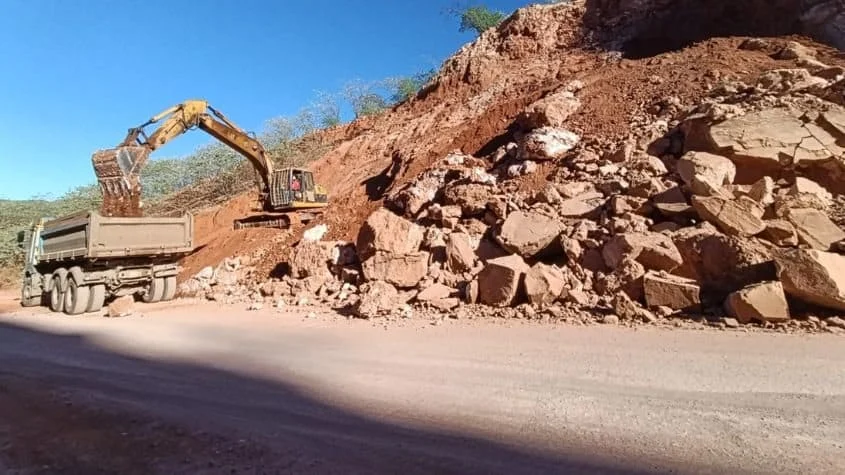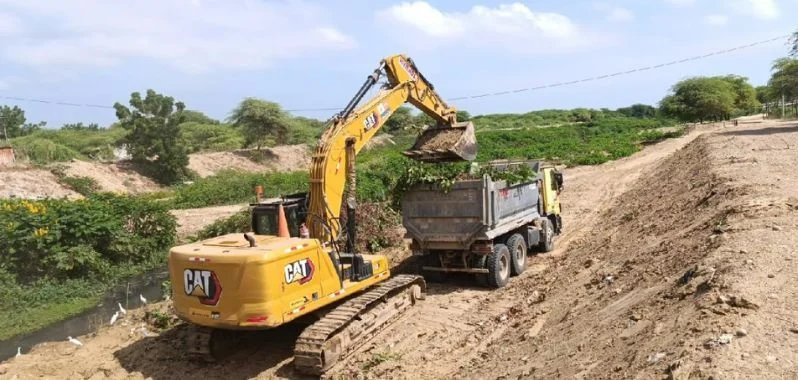
TRUJILLO, PERU – In a race against time and the impending seasonal weather patterns, the National Infrastructure Authority (ANIN) has officially ramped up its operational capacity to a continuous 24-hour work cycle. This strategic acceleration focuses on the critical protection works at the San Ildefonso and San Carlos ravines, as well as the Moche River, in the La Libertad region. With the objective of finalizing the defensive infrastructure before the onset of the heavy rainy season in December, the agency is leveraging a multi-front, round-the-clock schedule to shield thousands of families and vital urban infrastructure from the perennial threat of floods and debris flows.
The Strategic Shift: Doubling Down on Safety
The decision to implement a triple-shift system represents a significant escalation in the project’s execution strategy. According to official reports, the introduction of the night shift has effectively added three new operational fronts to the existing four that function during daylight hours. This move has yielded immediate results, with field metrics indicating a 60% increase in operational performance along the Moche River corridor.
This optimization of human and mechanical resources is designed not only to meet the aggressive December deadline but also to ensure that the structural integrity of the defenses adheres to the highest international engineering standards. By transitioning to a non-stop model, the ANIN aims to mitigate the risk of project delays caused by environmental factors or logistical bottlenecks.
Chronology of the Intervention
The current phase of the project is the culmination of long-term planning aimed at transforming Trujillo’s resilience profile.

- Initial Planning and Design: Following years of vulnerability during El Niño cycles, the government prioritized the comprehensive management of the San Ildefonso and San Carlos ravines. The master plan involved extensive geological surveys and hydrological modeling to ensure the protection of the city’s urban center.
- Mobilization Phase: Construction began with the massive clearing of the ravines and the setup of sediment retention basins, intended to capture debris before it reaches the densely populated areas of Trujillo.
- The Acceleration Directive: Recognizing the shifting climatic forecasts for the coming months, the ANIN leadership issued a directive in late 2026 to transition into a 24/7 "sprint" mode. This phase, currently ongoing, focuses on the final reinforcement of riverbanks and the completion of key hydraulic structures.
- Projected Completion: The authority has set a firm deadline of December 2026 to have the primary defensive barriers fully operational, providing a buffer against the high-intensity rainfall expected in the early months of the following year.
Technical Specifications and Infrastructure Resilience
The infrastructure project is not merely a temporary fix but a permanent, long-term investment in regional safety. During a recent site inspection, Sergio Atarama Martínez, General Manager of the ANIN, underscored the durability of the current works.
"The infrastructure we are currently finalizing has been meticulously engineered to provide a service life of up to 100 years," Atarama stated. "Our focus is on creating a resilient hydraulic system that can withstand the extreme hydrological pressures characteristic of this geography."
The technical components of the project include:
- Sediment Traps: Strategically placed basins designed to arrest the flow of mud and rock—a primary cause of destruction in past floods.
- Reinforced Ribereña Defenses: Using specialized concrete and steel-mesh reinforcements, these walls are built to stabilize the riverbanks and prevent the lateral erosion that threatens residential zones along the Moche River.
- Hydraulic Channels: Designed to redirect excess water flow during peak precipitation events, ensuring that the water is channeled safely away from urban density and toward natural drainage outlets.
Official Responses and Strategic Vision
The ANIN has maintained a posture of transparency, emphasizing that the increase in pace does not compromise the technical quality of the works. The agency’s internal reports highlight that the "efficiency plan" currently in place relies on advanced logistical coordination. By synchronizing the supply of raw materials with the increased labor output, the ANIN has managed to maintain a steady flow of construction progress despite the intensity of the work.

Government officials have described this project as a flagship initiative under the new infrastructure model in Peru. By delegating the execution to a specialized entity like the ANIN, the state seeks to bypass the bureaucratic hurdles that have historically plagued public works projects, ensuring that vital safety nets are delivered when they are needed most.
Socio-Economic Implications: Protecting the Heart of La Libertad
The implications of these works extend far beyond the technical scope of civil engineering. For the residents of Trujillo, the completion of the San Ildefonso and San Carlos defenses represents a fundamental change in their quality of life.
Historically, the city has faced recurring disasters where "huaicos" (debris flows) have paralyzed local economies, destroyed housing, and disrupted essential services like clean water and electricity. By securing the perimeter of the ravines, the ANIN is effectively creating an "insurance policy" for the local economy.
Small and medium-sized businesses in the region, which often suffer the most during flood-induced shutdowns, stand to benefit from a more stable environment. Furthermore, the stabilization of the riverbanks prevents the loss of agricultural land along the Moche River, protecting the livelihoods of thousands of farmers who are vital to the regional supply chain.

Challenges and Future Outlook
While the progress is significant, the path to completion remains challenging. Working 24 hours a day in varying weather conditions requires a high degree of safety management for the construction crews and meticulous oversight of equipment maintenance.
The ANIN is currently navigating these challenges by:
- Ensuring Safety: Implementing strict health and safety protocols to mitigate the risks associated with night-time operations in rugged terrain.
- Resource Management: Maintaining a constant supply chain for fuel, cement, and steel to avoid any interruptions in the continuous work cycle.
- Community Liaison: Engaging with local leaders to keep the population informed of the work progress, thereby fostering support for the temporary disturbances caused by heavy machinery operating throughout the night.
Conclusion: A Model for National Resilience
The efforts currently underway in Trujillo serve as a case study for how the Peruvian government intends to handle future climate-related infrastructure needs. By adopting an aggressive, results-oriented approach that prioritizes speed and technical excellence, the ANIN is setting a new precedent for disaster risk management.
As the December deadline approaches, the eyes of the region remain fixed on the San Ildefonso and San Carlos projects. The successful delivery of these defenses will not only fulfill a promise made to the citizens of Trujillo but will also validate the institutional capacity of the ANIN to handle complex, large-scale infrastructure challenges under pressure. For the families living in the shadow of these ravines, the lights burning through the night are a sign of hope—a testament to the fact that their safety is being treated with the urgency it demands.