Executive Summary: A Historic Financial Landscape
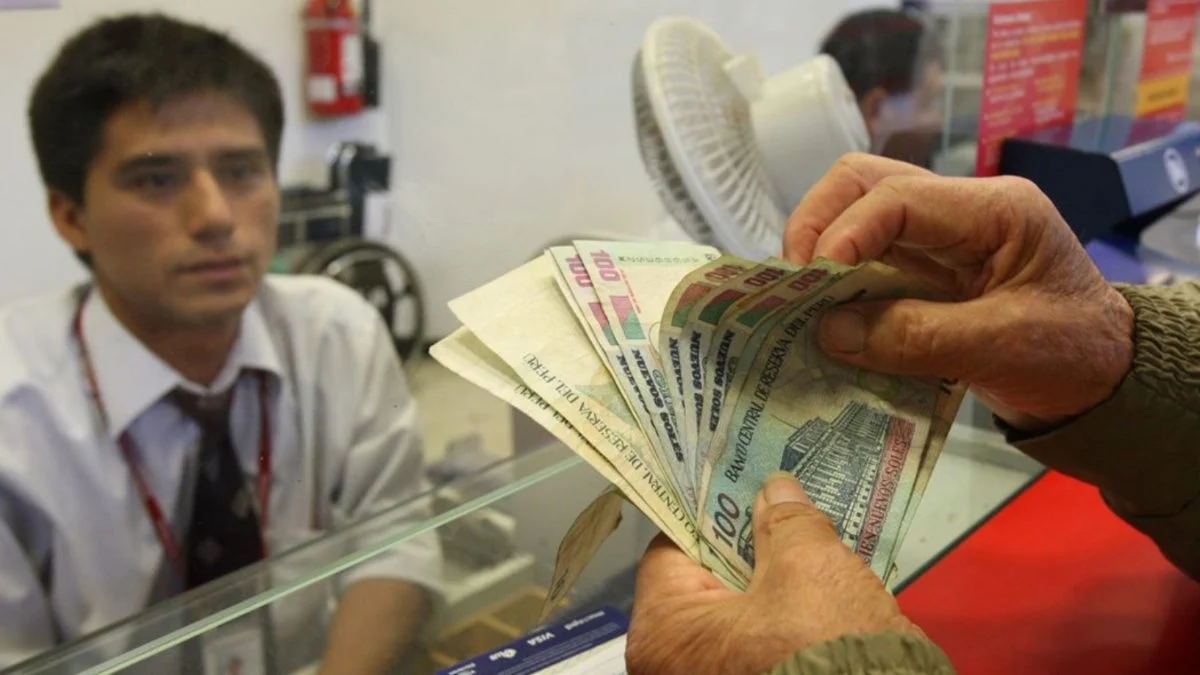
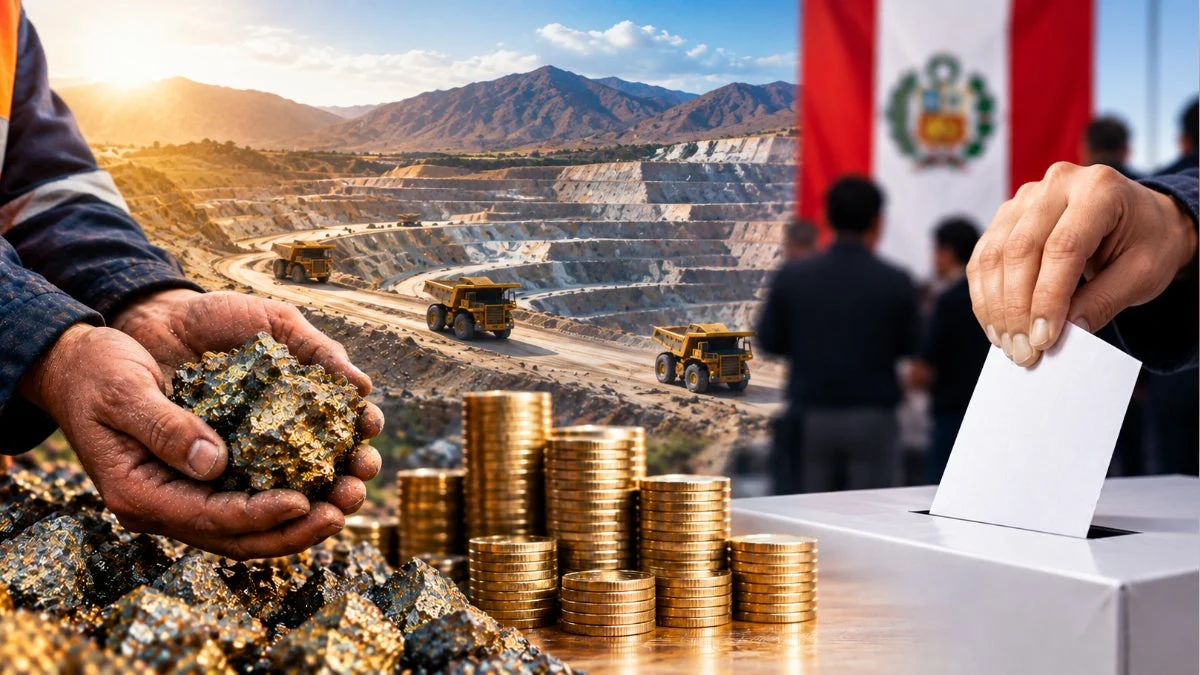
In a period defined by a robust "super-cycle" in global commodity prices, Peru’s mining sector has achieved an unprecedented milestone. According to the latest data from the Ministry of Energy and Mines (MINEM), national transfers from mining activities—comprising canon minero, royalties, and administrative fees—have surged to a historic high of S/13.223 billion in 2026.
These resources, which represent the wealth generated by the nation’s copper, gold, and zinc assets, are currently at a critical juncture. As the nation grapples with the fallout of the 2026 Regional and Municipal Elections, the primary question for investors, citizens, and policymakers is not just how these funds are generated, but who will be entrusted with their stewardship. With six of the most mining-dependent regions still locked in electoral uncertainty, the management of this massive capital influx will define the socio-economic trajectory of these territories for the next four years.
The Anatomy of the Mining Windfall: Supporting Data
To understand the gravity of the upcoming political transitions, one must analyze the composition of the S/13.223 billion currently flowing into regional coffers:
- Canon Minero (S/9.588 billion): The backbone of regional budgets, representing 50% of the corporate income tax paid by mining companies. It is earmarked for public infrastructure and regional development.
- Mining Royalties (S/3.327 billion): Comprising both legal (S/2.901 billion) and contractual (S/425 million) obligations, these funds provide additional liquidity for regional and local governments.
- Right of Validity and Penalties (S/307 million): Administrative revenue streams generated through the maintenance of mining concessions.
This financial concentration is highly uneven geographically. Six specific regions—Áncash, Arequipa, Apurímac, Cajamarca, Moquegua, and Tacna—account for a staggering 66% of the total national transfers. In these regions, the mining sector is not merely an economic contributor; it is the fundamental driver of public policy, healthcare, education, and infrastructure investment.
Chronology and Electoral Status: The Race to Govern the Wealth
The 2026 electoral landscape is defined by a high threshold for victory: candidates must secure at least 30% of the vote to avoid a runoff. As of the latest ONPE (National Office of Electoral Processes) data, the race to manage these multi-billion-sol budgets is intense.
The Apurímac Exception
Apurímac, home to the massive Las Bambas copper mine, stands as the only region among the top tier that may avoid a second round. Elvyn Diaz Tello (Ahora Nación) leads with 38%, followed by Guido Chahuaylla Maldonado (Progresemos) at 35%. The outcome here serves as a bellwether for how mining-rich regions might stabilize under new leadership.
The "Wait and See" Regions: A Breakdown
In the other five high-resource regions, the political picture remains fractured, necessitating runoffs:
- Áncash (The Antamina Hub): Receiving over S/2.229 billion (16.9% of the national total), this region is the crown jewel of mining revenues. Antonio Casana Alencastre (21.2%) leads, with a fierce contest for the second spot between Betto Barrionuevo (16%) and Enrique Ocrospoma (15.8%).
- Arequipa (Cerro Verde and Buenaventura): With S/1.499 billion, the region is currently looking at a runoff between Florentino Zegarra (25.3%) and Jenry Huisa (14.5%).
- Cajamarca (Yanacocha): Edison Carrasco (29.7%) is agonizingly close to the 30% threshold. His opponent, Moises González (22.9%), waits on the final official tally to determine if a second round is triggered.
- Moquegua (Quellaveco and Cuajone): A tight race between Abraham Cárdenas (26%) and Juan Luis Herrera (25.2%) has left the region in a state of high suspense.
- Tacna (Toquepala and Pucamarca): Similar to Cajamarca, Segundo Mario Ruiz Rubio (29.3%) sits on the edge of the 30% requirement, with Walter Anchapuri (17.6%) currently trailing.
Official Perspectives: The Governance Challenge
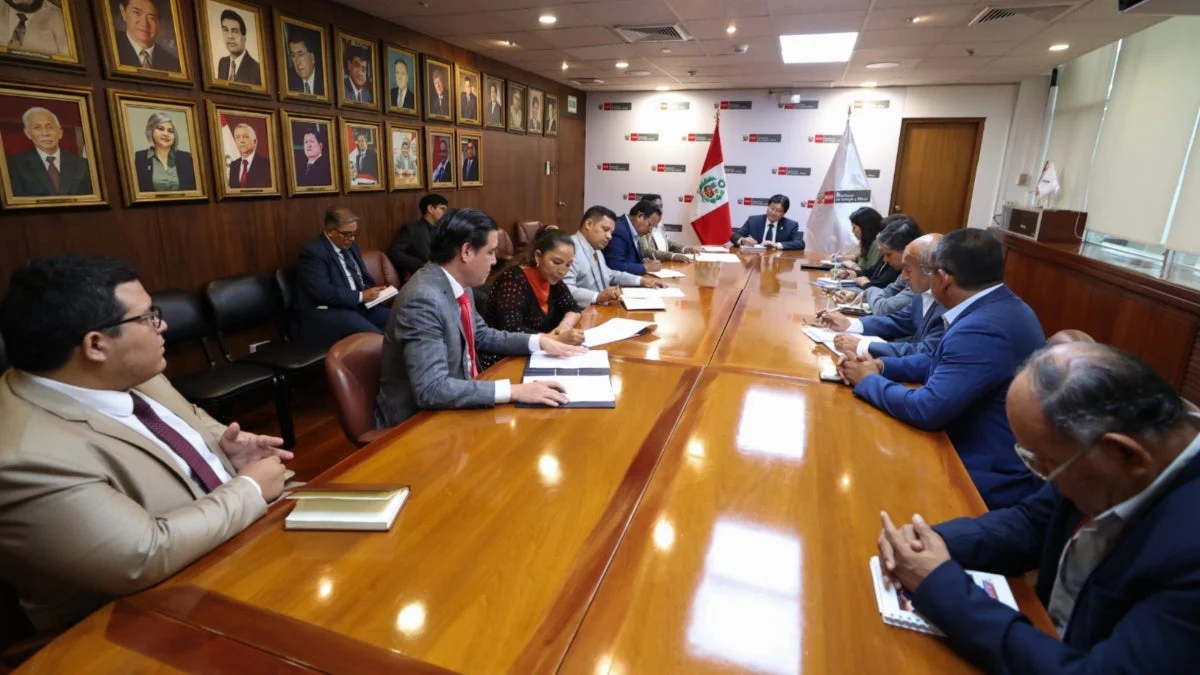
The transition of power in these regions is viewed by analysts as a "high-stakes fiscal test." Economists warn that the sheer volume of funds requires a level of technical capacity that regional governments have historically struggled to maintain.
"The challenge is not the lack of money, but the quality of public spending," says a spokesperson for the Ministry of Economy. "With commodity prices remaining favorable, these regions have the opportunity to transform their economies, but only if the incoming governors prioritize sustainable, high-impact projects over short-term political gains."
The electoral process, while democratic, has highlighted a concern regarding political volatility. In regions like Áncash, candidates like Antonio Casana have faced scrutiny regarding their political alliances, including the inclusion of family members in administrative tickets, which critics argue could lead to potential conflicts of interest in the management of mining-derived funds.
Strategic Implications: What Happens Next?
The implications of these elections extend far beyond the regional capitals.
1. The Infrastructure Gap
The S/13 billion represents a potential solution to Peru’s chronic infrastructure deficit. However, if the new governors fail to execute their budgets—a common issue in previous administrations—the money will remain trapped in bank accounts while public needs for water, sanitation, and roads go unmet.
2. Social License and Mining Stability
Mining companies operating in these regions, such as Antamina in Áncash or Southern Peru in Moquegua and Tacna, depend heavily on local government support to maintain their "social license." A change in regional leadership can either facilitate or complicate the expansion of mining projects. The next governors will act as the primary interlocutors between the mining industry and local communities.
3. Institutional Strengthening
The 2026 election cycle is a litmus test for the decentralization process in Peru. If the incoming administrations can demonstrate efficiency and transparency, it could solidify the current regional government model. Conversely, if these billions are mismanaged or lost to corruption, it may spark a national debate regarding the centralization of mining wealth and a potential rollback of regional fiscal autonomy.
Conclusion: A Turning Point for Peru’s Regions
As the final votes are tallied and the runoffs are scheduled, the citizens of Peru’s mining corridors are effectively deciding the future of their own prosperity. With commodity prices expected to remain high due to global demand for energy-transition metals like copper, the funds will continue to flow.
Whether this historic financial windfall becomes a catalyst for regional development or is squandered in political gridlock depends entirely on the administrative competence of the leaders who will take office in 2027. The eyes of the nation, and the global mining community, are firmly fixed on these regions, waiting to see if they can turn the wealth of the earth into lasting, tangible progress for their people.