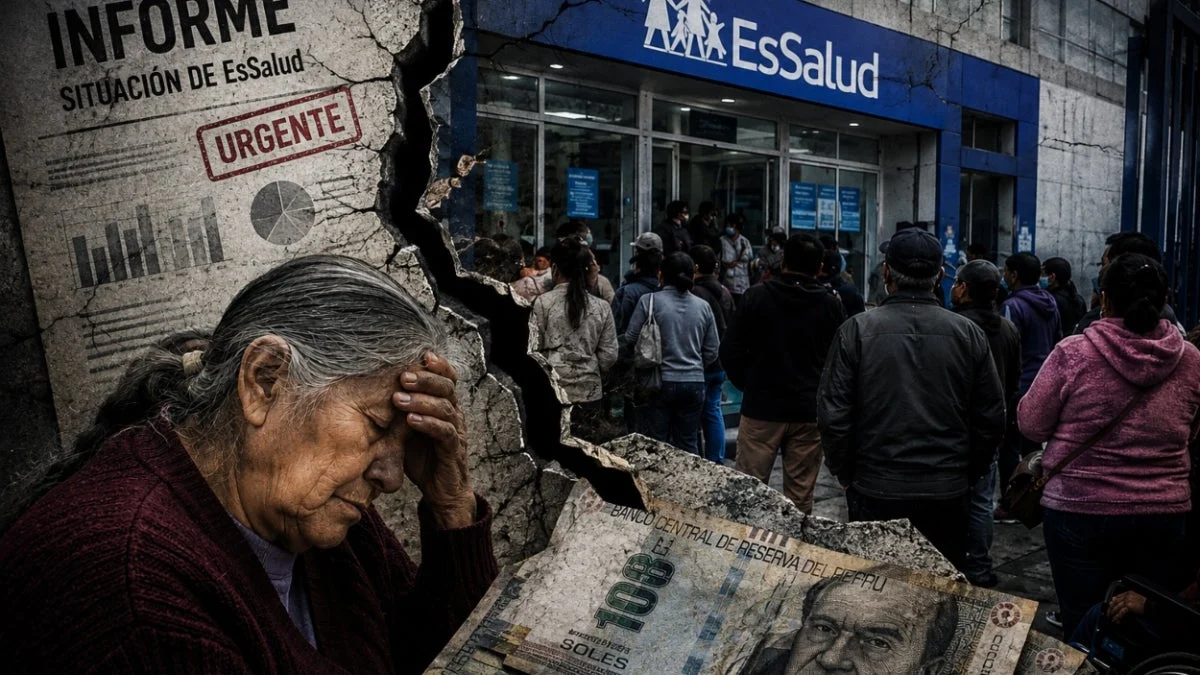
In a significant shift for the Peruvian pension landscape, the government has unveiled a comprehensive new regulatory framework designed to address the persistent issue of "pension gaps"—the periods during which workers are unable to contribute to their retirement funds due to informal employment, family obligations, or economic instability. By introducing the "Units of Contribution" (UdA) system, the authorities aim to provide a lifeline to thousands of workers who, despite reaching retirement age, fall short of the requirements to access a minimum pension of S/600.
This reform represents a departure from the traditional, rigid contribution model, acknowledging the reality of modern life where career paths are often non-linear and interrupted by the demands of caregiving and fluctuating economic conditions.
The Core Problem: Tackling the "Lagunas" Previsionales
For years, the Achilles’ heel of the pension system has been the accumulation of "lagunas" (gaps). Many workers, particularly women, often find their professional trajectories interrupted by the unpaid labor of raising children. Under the previous regime, these years of service were essentially "lost" to the system, often leaving individuals with insufficient contribution history to qualify for even a minimum state-subsidized pension.
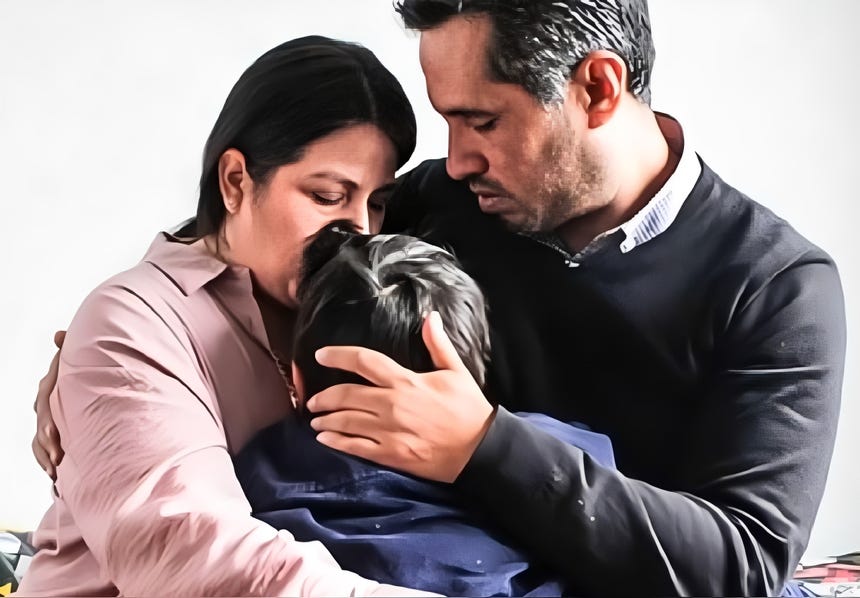
The new regulation seeks to bridge this divide by allowing the recognition of UdA based on family care. This is not merely an administrative change; it is a recognition of the social value of caregiving. By allowing the formalization of these periods, the state is effectively lowering the barrier to entry for the pension system, ensuring that the act of raising the next generation does not result in the impoverishment of the current one.
Mechanism 1: Recognition of Caregiving as Contribution
The most innovative aspect of the new rule is the inclusion of childcare as a valid activity for pension credit. To leverage this, an affiliate must present a child’s birth certificate to establish the family bond and sign a sworn statement confirming their role as the primary caregiver during the period in question.
According to Elio Sánchez, an expert in pension policy and former official at the Superintendencia de Banca y Seguros (SBS), the regulation sets a hard cap on this benefit. "It is a maximum of six units of contribution per child, with a limit of three children," Sánchez explained. This means an affiliate can potentially gain up to 18 units of contribution through this mechanism alone, which could be the deciding factor in meeting the threshold for a pension.
Mechanism 2: "Consumption-Based" Contributions
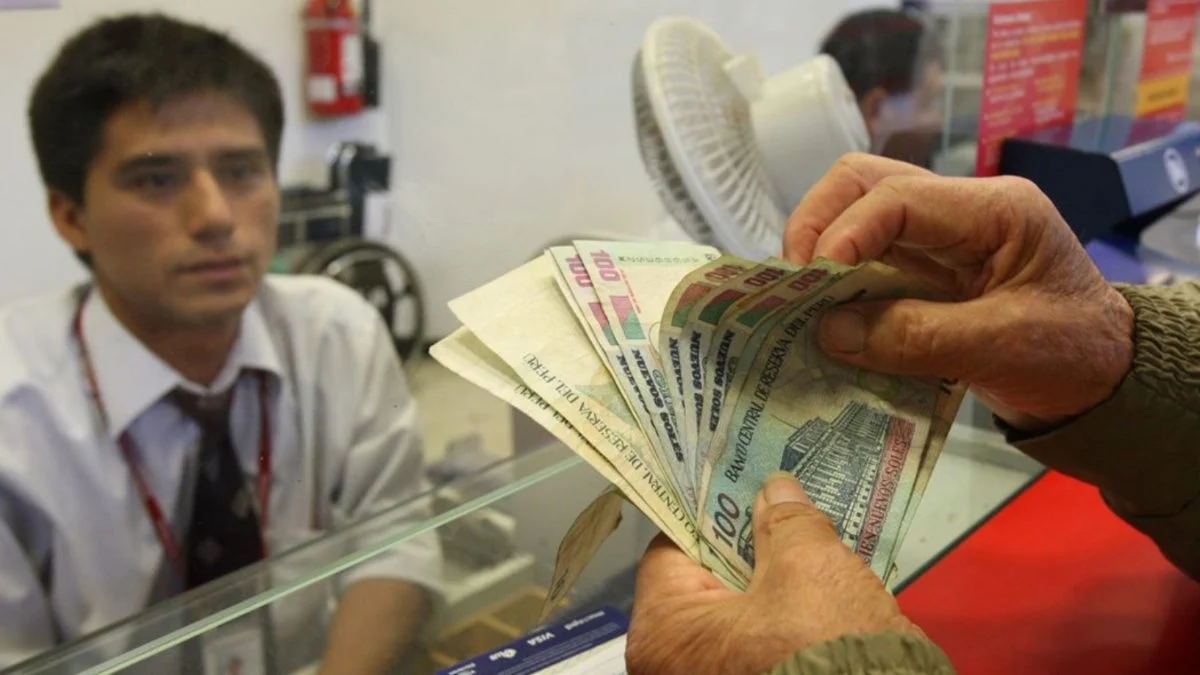
Beyond caregiving, the new framework introduces the "Aporte por Consumo" (Contribution by Consumption). This initiative turns everyday commerce into a tool for retirement security. Under this system, 1% of the value of eligible purchases made with electronic receipts is diverted into the affiliate’s pension account.
How the Math Works:
- The 1% Rule: For every year, the system calculates 1% of the total amount of registered purchases.
- Caps and Limits: To prevent abuse and ensure the focus remains on personal consumption, there is a limit of S/700 per individual receipt. Furthermore, the annual consumption eligible for this benefit is capped at 8 Tax Units (UIT). With the 2026 UIT set at S/5,500, the annual spending limit is S/44,000.
- Practical Example: An individual who accumulates S/10,000 in qualifying purchases throughout a year would see S/100 credited directly to their pension fund.
While the figures may seem modest in isolation, the cumulative effect over a decade or more of active participation could prove vital for workers who are just shy of the mandatory contribution threshold.
A Chronology of the Regulatory Rollout
The implementation of these measures is not immediate, but follows a structured timeline designed to allow the ONP (Oficina de Normalización Previsional) and private pension administrators (AFPs) to align their digital platforms.
- Phase One (Initial Verification): The affiliate begins the process at their AFP. The administrator has five business days to verify the documentation, including birth certificates and consumption records.
- Phase Two (Data Transfer): Once the AFP validates the status of the account, it has three business days to remit the entire dossier to the ONP.
- Phase Three (Administrative Review): The ONP assumes the primary role of evaluator, with a 30-business-day window to confirm the fulfillment of all requirements and issue the official resolution granting the pension.
This process highlights the increasing integration between private pension fund managers and the state-run ONP, a necessary step toward a more unified and responsive social security architecture.
Official Perspectives: The Limits of the New System
Despite the enthusiasm surrounding these reforms, experts are quick to temper expectations. Elio Sánchez emphasizes that these mechanisms are "palliatives," not a total solution for systemic poverty in old age.
"It was never intended to be the ultimate solution to the Peruvian pension crisis," Sánchez noted. "It will not provide an ‘incredible’ pension that covers all expenses. However, for those who are on the margin—those who have worked all their lives but fall just a few months or years short—this provides a vital safety net."
The core of the system remains the traditional, mandatory monthly contribution. These new tools—childcare recognition and consumption-based credits—are designed to fill the "holes" in a career, not to replace the need for steady, lifelong savings.
The Role of Voluntary Contributions
The regulation also highlights the underutilized potential of voluntary contributions with a "pension end." While many Peruvians opt for voluntary savings without a pension purpose—largely because they prioritize liquidity—the government is attempting to incentivize the long-term, pension-locked variety.
Sánchez notes that the current uptake of these voluntary contributions is low. Most workers prefer to keep their savings accessible for emergencies, a reflection of the economic volatility in the informal sector. To make these tools more effective, the government will need to bridge the "trust gap," convincing citizens that locking money away for a future that feels decades away is a safer bet than keeping it in a liquid savings account.
Implications for the Future
The long-term success of this regulatory overhaul will depend on two factors: administrative efficiency and public awareness.
Administrative Implications
The burden of proof lies with the affiliate, but the heavy lifting of data processing falls on the AFPs and the ONP. For the system to be viable, the integration of electronic receipt databases with the ONP’s records must be seamless. If the bureaucracy becomes too cumbersome, the average worker may abandon the process, rendering the policy a "dead letter."
Socio-Economic Implications
From a broader economic perspective, this is a nudge toward formalization. By tying pension benefits to electronic receipts (which are inherently formal), the government is creating a soft incentive for citizens to request invoices and receipts, thereby discouraging informal, "under-the-table" transactions.
Moreover, by recognizing the economic value of caregiving, the state is making a moral statement about the nature of work. It acknowledges that the time spent raising children is not "unproductive" time, but a period of service that deserves recognition in the social contract.
Conclusion: A Step, Not a Destination
The introduction of Unidades de Aporte is a pragmatic response to a complex problem. By allowing the recognition of caregiving and incentivizing formal consumption, the government is providing a path to retirement for those previously excluded.
However, as the dust settles on these new regulations, the reality remains that the adequacy of these pensions will still be tied to the broader health of the labor market. As long as a large segment of the Peruvian workforce remains in the informal sector, these palliatives will serve as a necessary, but ultimately insufficient, mechanism for comprehensive poverty reduction. The focus, therefore, must remain on expanding formal employment, as the most robust "contribution" to a pension remains a stable, long-term career.
For the millions of Peruvians currently navigating the uncertainty of their future, these reforms offer a glimmer of hope—a chance to turn the daily grind and the personal sacrifices of family life into a dignified, albeit modest, retirement.