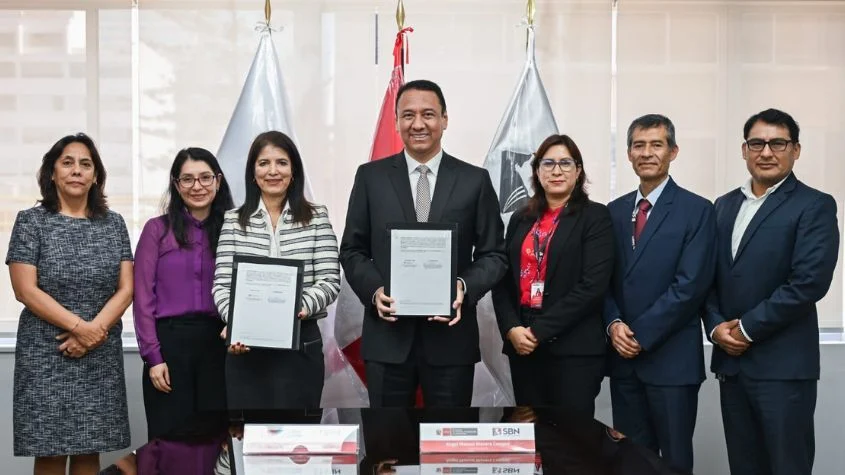
The Superintendencia Nacional de Bienes Estatales (SBN) has finalized the adjudication of two significant state-owned land tracts to Sociedad Minera Cerro Verde S.A.A. This transaction, valued at more than US$10 million, marks a critical milestone for the mining giant’s long-term operational expansion plans in the Arequipa region.
Executive Summary: A Catalyst for Mining Infrastructure
In a strategic move to bolster its operational capacity, Sociedad Minera Cerro Verde S.A.A. has successfully acquired 442 hectares of state-owned land. The transaction, facilitated by the Superintendencia Nacional de Bienes Estatales (SBN), underscores the Peruvian government’s commitment to incentivizing large-scale private investment in the extractive sector.
The land, distributed across the districts of Yarabamba and Tiabaya, is earmarked specifically for the "Expansion of the Cerro Verde Production Unit." This project, which has been formally declared of national interest by the Ministry of Energy and Mines, aims to modernize and enlarge the infrastructure of one of Peru’s most vital copper mining operations. By securing these tracts, Cerro Verde is positioning itself to maintain its status as a cornerstone of the regional economy for the coming decades.
Chronology of the Acquisition and Regulatory Framework
The path to this land transfer involved a meticulous review process by the SBN, ensuring that the disposal of state assets aligned with national development goals.
- Initial Planning: Cerro Verde identified the need for additional surface rights to accommodate the expansion of its beneficiation and processing facilities.
- Governmental Review: The proposal was evaluated for compliance with land-use regulations. The Ministry of Energy and Mines’ declaration of "National Interest" served as a critical catalyst, streamlining the administrative path.
- Formal Adjudication: After an exhaustive appraisal process, the SBN officially transferred the titles to the company for a total consideration exceeding US$10 million.
- The Deadline: The contract includes a strict development timeline, requiring the project to be fully executed by the year 2050.
Breakdown of the Assets: Geography and Scale
The acquisition is divided into two distinct parcels, each serving specific logistical needs within the broader scope of the mine’s expansion.

- The Yarabamba Tract: This constitutes the vast majority of the acquisition, totaling over 435 hectares. Given its size, this area is expected to house the primary physical footprint of the expansion, potentially including new waste management facilities, processing plants, or buffer zones required for environmental mitigation.
- The Tiabaya Tract: A smaller but highly strategic plot of approximately 7.4 hectares. In the context of industrial mining, such parcels often serve as vital connectivity points, transport corridors, or administrative service hubs essential for supporting the larger Yarabamba operations.
Strict Conditionalities: The "Reversion" Clause
Perhaps the most significant aspect of this transaction is the stringent "reversion clause" embedded in the purchase agreement. The Peruvian state has ensured that these lands cannot be held for speculative purposes.
According to the terms of the acquisition, Cerro Verde faces a hard deadline of 2050 to complete the intended expansion. The legal implications for non-compliance are severe: should the company fail to fulfill its development commitments, the ownership of the properties will automatically revert to the Peruvian State.
Crucially, the agreement specifies that in such an event of default, the company is not entitled to a refund of the purchase price, nor will it be compensated for any infrastructure or edifices constructed on the land. This "use it or lose it" approach reflects a shift in how the government manages state assets, ensuring that public land is directly tied to tangible economic development and job creation.
Official Perspective and Economic Implications
The SBN has positioned this deal as a hallmark of its broader mission: facilitating the transition of underutilized state assets into engines of economic growth. By providing the necessary land for private enterprise, the government seeks to minimize bureaucratic friction that often hampers large-scale mining investments.
The Macroeconomic Impact
The expansion of Cerro Verde is not merely a corporate milestone; it is a regional economic driver. As one of the largest employers in the Arequipa region, the company’s ability to optimize its production units directly influences:

- Employment Stability: The project ensures the longevity of thousands of direct and indirect jobs, providing security for the local workforce.
- Tax Contributions: Increased production capacity translates to higher tax revenues, which are essential for the financing of regional infrastructure and social programs.
- Regional Development: The proximity of these projects to the districts of Yarabamba and Tiabaya necessitates localized investment in infrastructure, such as road improvements and energy connectivity, which often benefit the surrounding communities.
Supporting the Mining Sector
The mining sector remains the primary engine of the Peruvian economy. By facilitating this expansion, the government is signaling a pro-investment stance designed to encourage international mining conglomerates to continue investing in their Peruvian operations. This is particularly important given the competitive nature of the global copper market and the increasing technological demands required to extract ore from maturing deposits.
Challenges and Future Outlook
While the acquisition is a significant victory for Cerro Verde, the path forward is not without challenges. The mining industry faces increasing pressure to balance operational efficiency with environmental stewardship and social responsibility.
Environmental Compliance
Expanding a production unit of this scale necessitates rigorous Environmental Impact Assessments (EIAs). The company will be required to demonstrate that the utilization of these 442 hectares will not negatively impact the water tables, air quality, or the agricultural landscapes that characterize the Yarabamba and Tiabaya districts.
Stakeholder Engagement
The success of this expansion will depend heavily on the company’s ability to maintain a social license to operate. Transparent communication with the residents of the affected districts will be paramount. As the company moves from the land acquisition phase to the development and construction phase, it must ensure that the benefits of the expansion—such as local hiring and community development projects—are clearly communicated and implemented.
Long-term Vision
The 2050 horizon reflects the long-term nature of mining capital investments. Cerro Verde is planning for a generation of operation, signaling confidence in both the mineral reserves of the region and the stability of the investment climate in Peru.

Conclusion
The adjudication of these two major tracts of land to Sociedad Minera Cerro Verde S.A.A. is a landmark event that bridges the gap between state land management and private industrial ambition. By securing this land, the company has cleared a significant hurdle in its expansion strategy.
For the Peruvian government, the success of this project will serve as a test case for future land-use policies. If Cerro Verde delivers on its development promises, it will likely pave the way for similar partnerships, further integrating state-owned assets into the national economy’s growth strategy. As construction and development plans begin to unfold, all eyes will be on the Arequipa region to see how this multi-million dollar investment shapes the future of sustainable mining in the Andes.
This transaction is a testament to the fact that while mining is an industry of the earth, its success is built upon the solid foundation of regulatory clarity, strategic planning, and the constructive alignment of public and private interests.