The landscape of consumer behavior in Peru is undergoing a tectonic shift. Driven by the rapid integration of artificial intelligence (AI) into daily digital interactions, the traditional path to purchase is being dismantled and reassembled into a more streamlined, automated, and hyper-efficient process. According to the latest insights from Google’s Think with Google 2026, the era of the "active researcher" is transitioning into the era of the "delegating consumer," where the value proposition of a brand is no longer defined by glossy advertisements, but by the practical utility it provides in solving problems.
Main Facts: The New Consumer Paradigm
The data is unequivocal: 83% of Peruvian consumers now affirm that artificial intelligence facilitates their purchasing decisions, with 82% noting that these tools significantly simplify the complexities of the modern marketplace. This transformation is not merely superficial; it represents a fundamental change in how users allocate their time and cognitive resources.
Perhaps most striking is the shift in loyalty. Over half of the surveyed consumers (51%) now prioritize the practical utility offered by brands—such as automated comparison tools or technical guidance—over traditional branding or emotional storytelling. Furthermore, 58% of consumers openly express that they expect brands to perform the "heavy lifting" of comparing, selecting, and validating alternatives on their behalf. This signals a move toward a "frictionless" economy, where the brand that removes the most effort from the customer’s journey wins.
A Chronological Evolution of AI Adoption
To understand where we are, we must look at how the digital journey has evolved in Peru:
- The Era of Manual Discovery (Pre-2022): Consumers relied heavily on visiting multiple marketplaces, scrolling through long-form review videos, and physically visiting retail locations to clarify doubts or touch products.
- The Rise of Assisted Search (2023–2024): With the proliferation of generative AI and visual search, the search process began to consolidate. Users started leveraging tools like Google Lens to bridge the gap between the physical and digital worlds.
- The Current Phase: Delegated Decision-Making (2025–2026): We have entered a phase where 36% of consumers have reduced their physical store visits for research purposes, and 34% have abandoned manual information gathering across multiple websites. The search process has moved from "looking for information" to "consulting an AI assistant" that synthesizes data into actionable insights.
Supporting Data: The Quantitative Impact
The integration of AI into the Peruvian lifestyle is pervasive. Google reports that 9 out of 10 internet users in Peru have interacted with AI tools, with 34% actively blending technologies like Gemini, AI Mode, and AI Overviews into their daily routines.
Key Metrics of Consumer AI Utilization:
- Time Savings: Users report saving an average of 3.5 hours per week thanks to AI-driven efficiencies.
- Professional and Personal Split: 77% of users apply AI in their personal lives, while 73% utilize it for work-related tasks, demonstrating a broad spectrum of utility.
- The "Anti-Blocker" Effect: 41% of users report that AI is essential for overcoming the initial "blank page" syndrome or the friction involved in starting complex tasks.
- Functional Preferences: When using AI for shopping, the primary motivators are understanding how to use a product (83%), finding reliable stores with confirmed stock (76%), and performing side-by-side brand comparisons (65%).
Despite this reliance on automation, there is a clear "trust threshold." When asked what makes them feel secure in an AI-driven environment, 49% prioritize direct links to official sources, 47% look for visible citations, and 42% demand the ability to pivot to a human agent if the AI’s logic is unclear or insufficient.
Official Perspectives: Navigating the New Frontier
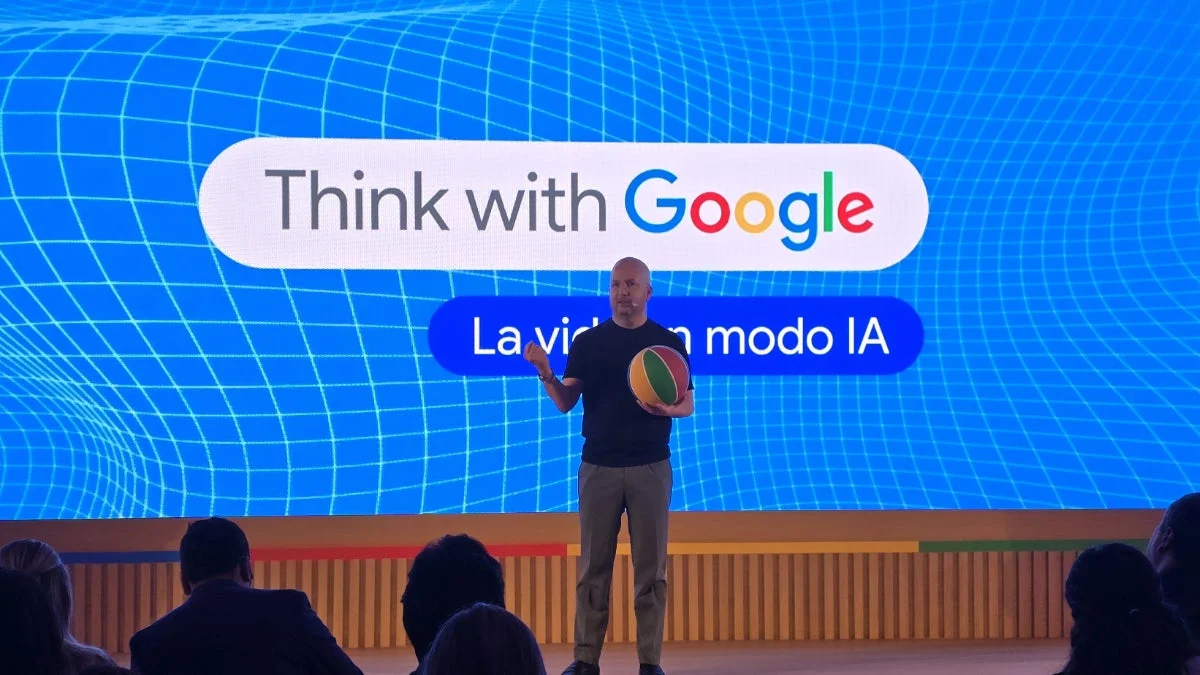
Edgardo Frías, Director General of Google for the Andean Region, underscores that this transformation is not just a technological upgrade, but a fundamental change in market expectations.
"The intelligence of these systems is changing not only the tools people use, but their entire set of expectations regarding brands," says Frías. "Today, consumers expect to find information that helps them resolve, compare, and decide more simply. The goal for any company operating in this space should be to provide information that is clear, useful, and reliable, acting as a constant companion from the initial research phase all the way to the final transaction."
The leadership at Google emphasizes that the role of the brand is shifting from a "broadcaster of messages" to a "facilitator of outcomes." This is a significant pivot for the Peruvian retail sector, which has historically relied on high-visibility marketing campaigns to drive sales.
Implications for Businesses: The Future of Retail
The shift toward delegating tasks to AI creates both a massive opportunity and a significant risk for Peruvian businesses.
1. From Advertising to Utility
The data suggests that the "traditional narrative" of a brand is becoming less influential than the "functional utility" of a brand. Companies that provide structured, technical, and detailed data are preferred by 54% of consumers. Brands that fail to organize their product information in a machine-readable, structured format will likely become invisible to AI-driven search tools.
2. The New Boundaries of Trust
The research highlights a critical barrier: the human fear of total automation, especially regarding financial transactions. While 41% of consumers are happy to have an AI monitor Black Friday deals, only a fraction (28%) are comfortable with the AI executing payments, and even then, only for small amounts (up to S/150). The majority (53%) maintain a firm "human-in-the-loop" requirement for financial security.
3. Redefining the Customer Journey
The implications for retail strategy are clear:
- AI-Readiness: SEO (Search Engine Optimization) is evolving into AIO (AI Optimization). Brands must ensure their information is highly structured to be "picked up" by AI Overviews and assistants.
- Transparency as a Feature: Since trust relies on sources and citations, brands that transparently provide technical data and official documentation will gain a competitive advantage over those that obfuscate details.
- Hybrid Service Models: The desire for a "human fallback" (42%) suggests that the most successful retail models will be those that integrate AI for discovery and comparison, while maintaining seamless human support for high-stakes or high-value decisions.
Conclusion: The Path Ahead
The Peruvian consumer is no longer just browsing; they are orchestrating their purchases with the help of sophisticated digital assistants. This shift toward delegation and efficiency means that the "moment of truth" in retail has moved much earlier in the funnel.
For Peruvian companies, the mandate is clear: adapt to the logic of artificial intelligence, prioritize the delivery of structured and verified information, and build the infrastructure to support a customer who values time and precision above all else. As AI continues to evolve, the brands that thrive will be those that view artificial intelligence not as a competitor to human interaction, but as the essential layer that connects the product to the consumer’s intent.