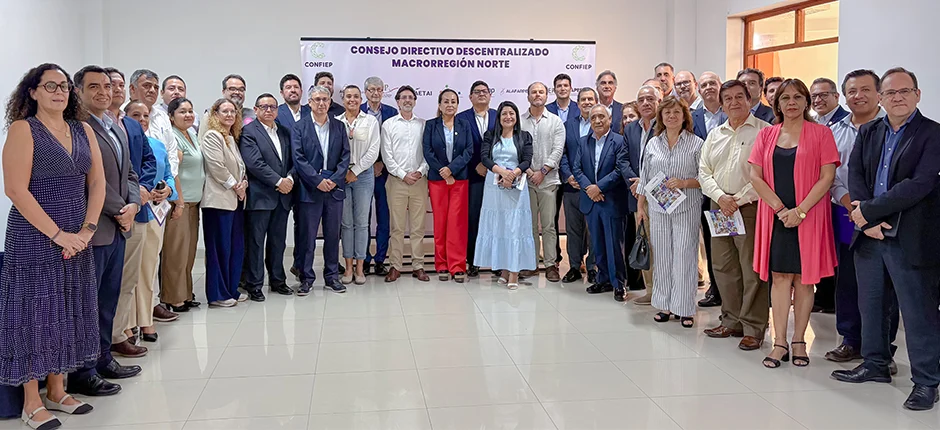
PIURA, PERU – In a critical display of urgency and cross-sector cooperation, the Peruvian Confederation of Business Institutions (CONFIEP) convened a high-level summit in Piura, the heart of the region most historically vulnerable to climatic anomalies. On September 1, 2026, industry leaders, regional chambers of commerce, and key government stakeholders gathered to synchronize a strategic response to the impending impacts of the El Niño Phenomenon (FEN).
The assembly, held at the headquarters of the Piura Chamber of Commerce, served as a platform to bridge the gap between private sector agility and public sector reach, aiming to mitigate the socio-economic devastation often left in the wake of torrential rains and infrastructure collapse.
The Strategic Imperative: Bridging the Gap
The central theme of the summit was the necessity of "articulated efforts." Jorge Zapata Ríos, president of CONFIEP, set the tone for the day with a sobering assessment of the timeline. With only a few months left before the predicted peak of the phenomenon, the window for preventative measures is rapidly closing.
"The two or three months that remain must be utilized to do everything within our power," Zapata Ríos emphasized. "The private sector is here to support because companies possess the inherent agility to execute tasks with greater speed and efficiency than traditional bureaucratic frameworks might allow. Our role is to act as a force multiplier for the state’s resources."
The meeting underscored a shift in how the Peruvian private sector views its corporate social responsibility. It is no longer merely about philanthropy; it is about active participation in national resilience.
Chronology of Coordination: A Multi-Stakeholder Approach
The summit, titled the "Decentralized Board of Directors of the Northern Macro-Region," brought together a vast array of industry representatives and government officials. The day was structured to identify specific logistical bottlenecks and prioritize infrastructure interventions.

- Morning Session (09:00 – 11:30): Opening remarks and diagnostic reports on regional vulnerability. Technical teams presented data on hydraulic infrastructure, drainage systems, and road connectivity.
- Mid-day Roundtable (11:30 – 13:30): Closed-door sessions involving mayors of Piura and local government representatives. The focus was on "Immediate Action Projects"—low-cost, high-impact works that can be completed before the rainy season begins.
- Afternoon Plenary (14:30 – 17:00): Synthesis of commitments. National and regional chambers presented a unified memorandum outlining the areas where private capital and machinery will be deployed to support public works.
The Infrastructure of Resilience: Supporting Data
The economic implications of El Niño for the northern macro-region are profound. Historically, the region contributes significantly to Peru’s agricultural exports and fisheries. Data presented during the meeting highlighted that:
- Agricultural Vulnerability: Millions of hectares of export-grade land are at risk of flooding.
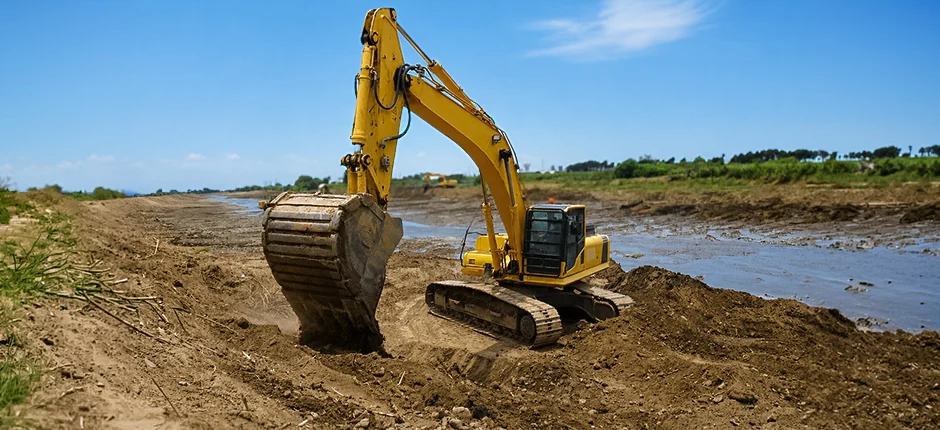
- Infrastructure Deficit: Existing drainage and containment walls in key cities like Piura and Sullana have been identified as high-risk points for failure.
- Supply Chain Continuity: The potential for road blockages between the coast and the highlands threatens to isolate communities and cut off supply lines for essential goods, including medicine and food.
The participation of entities such as the Association for the Promotion of National Infrastructure (AFIN) and the Peruvian Association of Construction Companies (CAPECO) highlighted that the discussion went beyond emergency response to include long-term structural resilience.
Official Responses and Key Participants
The meeting was marked by a diverse assembly of leaders from various sectors, ensuring that the response strategy is holistic rather than fragmented.

Private Sector Leadership
The meeting saw the active involvement of:
- Karsten Kunckel, President of the Automotive Association of Peru (AAP).
- Michelle Szejer, President of the National Society of Radio and Television (SNRTV), emphasizing the role of communication in disaster preparedness.
- Juan Pacheco, President of AFIN, addressing the critical state of national infrastructure.
- Francisco Feliu, representing the Association of Private Clinics (ACP), focused on the continuity of healthcare services during emergencies.
Regional Chambers of Commerce
The "Northern Voice" was represented by the leaders of chambers from Piura, Ancash, Cajamarca, La Libertad, Lambayeque, and Sullana. Their consensus was clear: regional autonomy in decision-making, supported by central coordination, is the only way to ensure resources reach the most isolated districts in time.
International and State Collaboration
The presence of international organizations and state entities added a layer of technical rigor to the summit:
- UNICEF and ILO (OIT): Representatives Javier Álvarez and Ítalo Cardona emphasized the social impact of the climate crisis, particularly on vulnerable populations and the labor market.
- Public Sector Officials: Legislators Nilza Chacón and Karla Schaefer, alongside representatives from PROINVERSIÓN and the Ministry of Economy and Finance (MEF), discussed the legal frameworks required to expedite the flow of funds for emergency works.
Implications: A New Model for Disaster Management
The implications of this summit are far-reaching. By positioning the private sector as an active partner in disaster mitigation, the participants are establishing a new "Peruvian Model" for crisis management.
1. Speed over Bureaucracy
The primary takeaway is the prioritization of agility. The commitment from companies like Buenaventura (mining) and various energy consortia to provide machinery and technical personnel indicates that the response will be faster than a purely public-sector procurement process.
2. Economic Continuity
By preventing the total collapse of regional infrastructure, the private sector aims to protect not just their own operations, but the regional economy at large. The goal is to keep the "economic heart" of the north beating even during the peak of the meteorological event.

3. Strengthening Local Governance
The collaboration with mayors, such as those of Piura and 26 de Octubre, provides a vital link between national business interests and the grassroots reality. This ensures that the aid provided by the private sector is directed where it is most needed, rather than being trapped in centralized planning.
Conclusion: The Road Ahead
As the meeting concluded, the message from the attendees was one of cautious urgency. The climate data indicates a period of high volatility, but the spirit of the Piura summit suggests that the nation is better prepared than in previous cycles.
"We are not here to wait for the rain," remarked one attendee during the final plenary. "We are here to ensure that when the rain arrives, the walls are built, the channels are clear, and the supply chains are resilient."

The collaborative roadmap established in Piura serves as a testament to the capacity for dialogue in Peru. While the physical challenge of El Niño remains significant, the mobilization of the private sector, in close coordination with the state, represents the most robust line of defense the region has seen in years. The coming months will be the ultimate test of this partnership, determining whether these preventative efforts can successfully safeguard the lives and livelihoods of millions in the northern macro-region.