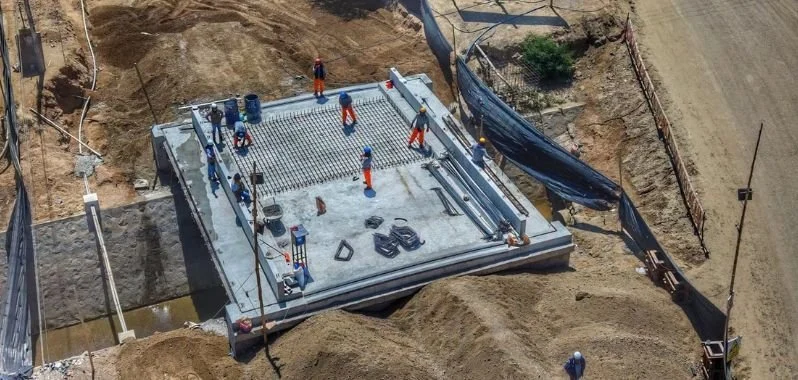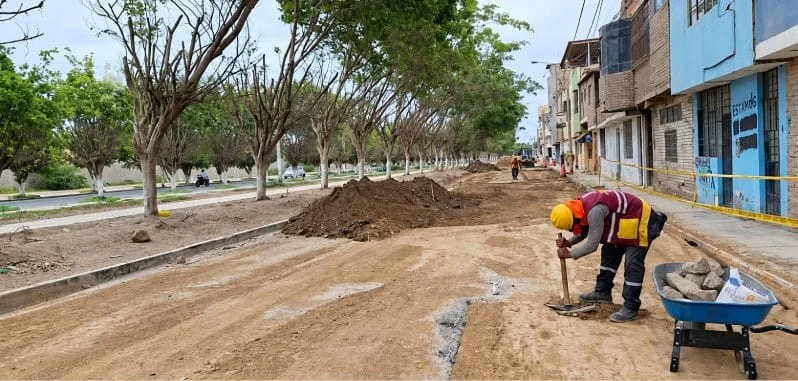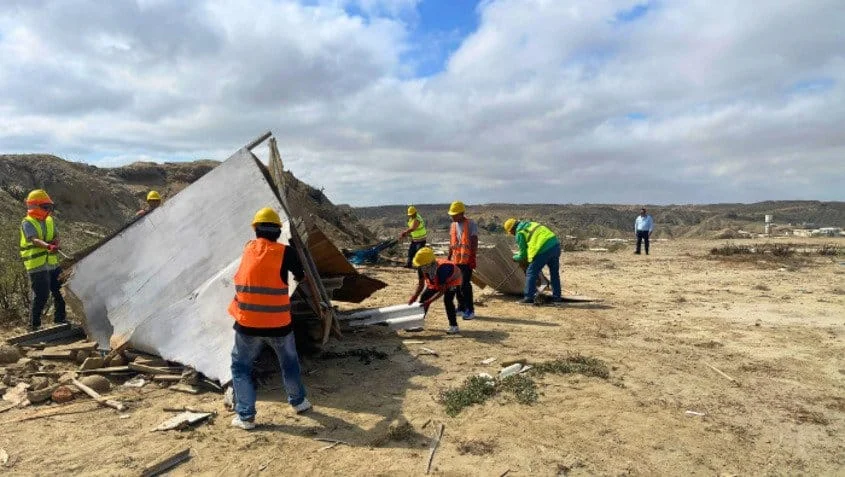
The Peruvian construction sector, a vital engine of the national economy, has demonstrated remarkable resilience throughout 2026. According to the latest Economic Construction Report (IEC) No. 105, released by the Peruvian Chamber of Construction (CAPECO), the industry has successfully maintained an upward trajectory for sixteen consecutive months. While the sector’s performance between January and August—marked by a robust 10.6% expansion—signals a strong recovery, industry leaders are tempering their optimism with urgent warnings regarding the looming threat of the El Niño Phenomenon (FEN).
Main Facts: A Resilient Sector Under Pressure
The data presented by CAPECO reveals that construction has solidified its position as a primary driver of Peru’s macroeconomic health. The 10.6% growth rate observed in the first eight months of the year is not merely a statistical outlier; it represents a fundamental shift in momentum, particularly when compared to broader national GDP trends.
The sector’s performance in July 2026 was particularly noteworthy. It achieved the highest growth rate among all major economic pillars in the country. Excluding the post-pandemic "rebound effect," this expansion represents the most significant growth for the month of July since 2013. This surge was underpinned by a 11.7% increase in cement consumption—a primary indicator of physical construction activity—and an 8.3% rise in public work execution over the same eight-month period.
Despite these positive metrics, the industry faces a complex paradox. While internal demand for infrastructure and housing remains high, the shadow of climate volatility and political uncertainty has begun to weigh on the long-term projections of private stakeholders.
Chronology of the 2026 Growth Cycle
The current growth cycle is the result of a sustained recovery period that began in early 2025. By late 2025, the industry had stabilized, and the first half of 2026 saw a significant acceleration in both residential and non-residential projects.

- January – March 2026: The sector began the year with cautious optimism, fueled by government initiatives to expedite public infrastructure projects that had stalled in previous years.
- April – June 2026: Increased activity in mining infrastructure and urban development projects provided the necessary tailwinds to push growth into double digits.
- July 2026: The sector reached a crescendo, outperforming the national GDP growth rate and setting a decade-high record for the month.
- August 2026: While growth remained positive, the first signs of hesitation appeared, as business expectations began to adjust in anticipation of potential climate-related disruptions and shifting political landscapes.
Supporting Data: The Engine of Investment
The growth of the construction sector is intrinsically linked to the dynamics of private and public investment. The Central Reserve Bank of Peru (BCRP) has acknowledged this trend by upwardly revising its projections for private investment for 2026, moving from 12.5% to 14%. This adjustment is largely attributed to a resurgence in mining-related construction projects, which have injected significant capital into the economy.
In contrast, public investment growth remains more modest, currently projected at 1%. However, the mechanism of "Works by Taxes" (Obras por Impuestos – OxI) has emerged as a bright spot. Up until September, adjudications through this mechanism increased by an impressive 140% compared to the same period in 2025. If this pace continues, CAPECO estimates that total OxI investment could exceed S/ 11,700 million by the end of the year, providing a critical buffer against potential funding gaps in the public sector.
Official Responses: CAPECO’s Strategic Caution
Guido Valdivia, Executive Vice President of CAPECO, has been a vocal proponent of proactive measures to protect the sector from external shocks. In his recent assessment, Valdivia emphasized that while the current recovery is sustained, the industry is not immune to environmental and political instability.
"The priority of the country must be to address the consequences of the El Niño Phenomenon with maximum efficiency," Valdivia stated. "History has taught us that this phenomenon can severely disrupt construction activities, particularly in the first quarter of the year. We must move beyond reactive measures and focus on strengthening our capacity for prevention and rapid response to ensure that both public and private projects continue without unnecessary interruption."
Valdivia’s comments underscore a growing consensus within the business community: the sustainability of the current growth cycle depends on the state’s ability to provide a stable, predictable environment that can withstand the physical challenges posed by climate change.

The Looming Threat of the El Niño Phenomenon
The El Niño Phenomenon (FEN) presents a multifaceted threat to the construction sector. Beyond the immediate risks of flooding and damage to existing infrastructure, FEN creates logistical bottlenecks. Supply chains for essential materials—such as steel, cement, and aggregates—are often disrupted by road damage, while the physical safety of workers and the integrity of active building sites are compromised by extreme weather.
CAPECO’s report explicitly links a slight decline in business confidence to the expected intensity of the upcoming El Niño. When coupled with the lack of stable political agreements and the inflationary pressures on raw materials, firms are becoming increasingly selective about new project starts. There is a palpable concern that if the first quarter of 2027 is severely impacted by FEN, the gains achieved throughout 2026 could be significantly eroded.
Implications for the Future: Challenges and Opportunities
As Peru approaches the final quarter of 2026, the construction sector stands at a critical juncture. The path forward requires a delicate balance between leveraging the current momentum and preparing for potential systemic disruptions.
1. Strengthening Institutional Cooperation
The collaboration between the government and private entities remains vital. The recent efforts by the Ministry of Housing to strengthen cooperation with international partners, particularly for water and social housing projects, serve as a model for how the sector can remain active even during challenging economic cycles. These partnerships not only provide financial support but also introduce best practices in disaster-resilient construction.
2. The Role of Public Infrastructure
To maintain the 16-month growth streak, the government must prioritize the execution of public works. While OxI is performing well, traditional public investment needs to be streamlined to prevent bureaucratic delays. Ensuring that funds are available and projects are ready for execution before the peak of the rainy season will be the primary test for the current administration.

3. Adapting to Climate Uncertainty
Moving forward, "Climate-Resilient Construction" must transition from a buzzword to a standard operational requirement. This involves integrating better drainage, higher-grade materials, and more robust site planning into every project, regardless of size. While these adaptations may increase short-term costs, they are essential to preventing the catastrophic losses often associated with the El Niño cycle.
4. Economic Stability
The correlation between political stability and construction growth is undeniable. As CAPECO noted, the lack of political consensus has hampered long-term planning. The sector requires a stable regulatory framework that encourages long-term investment rather than short-term speculative gains. If the government can foster a more predictable political climate, the private sector is likely to continue its current trajectory, potentially surpassing the initial growth targets for 2027.
Conclusion
The construction industry in Peru has proven its mettle, achieving a level of growth that has defied broader economic skepticism. By navigating the challenges of 2026 with an emphasis on private investment and innovative funding mechanisms like Works by Taxes, the sector has demonstrated that it remains the backbone of national development.
However, the warnings issued by CAPECO are clear: success is never guaranteed in a climate-vulnerable economy. The resilience shown over the last sixteen months must now be matched by the resilience of the nation’s infrastructure against the impending El Niño. By prioritizing prevention, streamlining investment, and fostering political stability, Peru can ensure that its construction sector remains a engine of progress rather than a casualty of environmental and political instability. The final months of 2026 will be the ultimate test of this resolve, setting the tone for what the industry hopes will be a continued period of expansion and modernization.