In a significant move to address three decades of systemic urban decay and infrastructural neglect, the Regional Government of Lambayeque has launched an ambitious overhaul of its road network. At the heart of this initiative is the extensive rehabilitation of Avenida Fizcarrald, a project designed not merely to patch potholes, but to fundamentally reshape the connectivity of Chiclayo and its surrounding districts. This endeavor marks a pivotal shift in regional planning, prioritizing long-term resilience against climate challenges and the modernization of vital transport corridors.
Main Facts: A Blueprint for Transformation
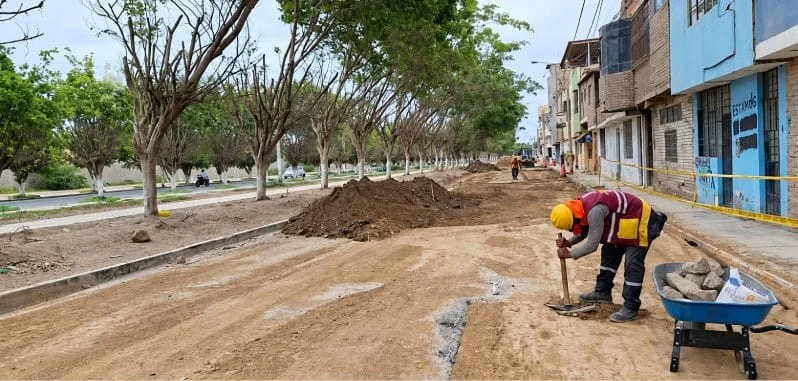
The revitalization of Avenida Fizcarrald serves as the flagship project of a broader, high-stakes infrastructure program led by Governor Jorge Pérez Flores. The intervention is characterized by a sophisticated technical approach: engineers are currently installing appropriate drainage gradients and reinforced road beds specifically designed to withstand the region’s notorious seasonal rainfall.
The scope of the project extends beyond a simple street renewal; it is a strategic integration initiative. Once completed, Avenida Fizcarrald will serve as a critical artery linking the urban core of Chiclayo to the burgeoning Chiclayo-Pomalca highway. By creating a seamless connection between the northern and southern sectors of the city, the regional government aims to channel traffic efficiently toward the airport and key transit hubs, effectively bypassing the bottlenecks that have long paralyzed local commerce.
The partnership driving this transformation is a model of multi-level governance. While the Regional Government provides the heavy resources—specifically the high-quality hot-mix asphalt produced by its dedicated regional plant—the Municipalidad Provincial de Chiclayo and various district municipalities are responsible for the foundational earthworks, land preparation, and deep-patching operations.
Chronology of Development
The road to this recovery has been long and fraught with challenges. For over thirty years, the arterial roads of Lambayeque suffered from a cycle of temporary fixes and chronic underinvestment.

- Pre-2026 Context: The region faced an increasing volume of heavy transit and cargo vehicles passing through the center of Chiclayo, leading to rapid asphalt degradation and severe traffic congestion.
- Q1-Q2 2026: Initial assessments of the city’s structural needs were completed, identifying the need for a comprehensive regional recovery plan.
- September 2026: Governor Jorge Pérez Flores formally initiated the accelerated asphalt production phase. The regional plant reached an output capacity of 300 cubic meters per day, providing the essential materials for the current phase of the Fizcarrald intervention.
- October 2026–December 2026: The "Active Recovery Plan" is in full effect. This timeframe is critical, as the administration has committed to completing the current phase of road works by December 31, 2026, marking the conclusion of the current governance term.
Supporting Data and Technical Specifications
The logistical scale of this operation is significant. The regional government’s investment in an in-house asphalt plant has proven to be the most vital economic lever in the project. By producing its own hot-mix asphalt, the government has reduced costs by approximately 60% compared to traditional private-sector procurement models.
Current technical data highlights the magnitude of the impact:
- Production: 300 cubic meters of high-quality hot-mix asphalt per day.
- Regional Reach: The benefits of the asphalt production extend beyond Chiclayo to the provinces of Ferreñafe, Santa Rosa, Mochumí, and Lambayeque.
- Traffic Mitigation: The overarching goal of the combined projects is to divert heavy transport from the city center, which is projected to relieve approximately 15,000 vehicles from the urban grid daily.
- Project Scope: The work includes the installation of robust sub-layers to prevent the erosion caused by El Niño-related weather events.
Official Responses and Strategic Vision
Governor Jorge Pérez Flores has framed this initiative as a "moral and civic obligation" to the residents of Lambayeque. In recent press statements, the Governor emphasized that the current administration is not interested in cosmetic improvements.
"We are building for the future," Governor Pérez Flores stated during a site inspection. "The integration of the Fizcarrald sector into the wider highway network is not just about pavement; it is about providing the citizens of Lambayeque with a professional-grade logistics chain that will support the growth of the region for decades to come."
The Regional Government has maintained a transparent stance, acknowledging that while the current plan concludes at the end of the year, the framework established for inter-municipal cooperation sets a precedent for future administrations. By providing the raw materials and technical expertise, the Regional Government acts as the primary enabler for local municipalities, ensuring that the work is performed to a uniform, high standard across district lines.

Implications for Regional Development
The implications of these infrastructure projects are profound for both the local economy and urban planning.
Decongestion and Urban Livability
By constructing the Chiclayo-Pomalca highway connection and the planned link toward the airport, the administration is effectively moving the "heavy pulse" of the city to the outskirts. This is expected to significantly reduce noise pollution, decrease carbon emissions from idling heavy vehicles, and extend the lifespan of urban street infrastructure.
The Connectivity Web: Future Projects
The Fizcarrald intervention is part of a larger, interconnected web of infrastructure. Key upcoming developments include:
- The Autopista del Sol: A major segment connecting the San José Roundabout to Mocupe, which will act as a bypass for north-south transit.
- Bridge Infrastructure: The construction of new bridges linking to Picsi and the Pampas de Reque, which will provide alternative routes for cargo and passenger transit.
- Aviation Access: The planned one-kilometer viaduct on Avenida Víctor Raúl Haya de la Torre is perhaps the most ambitious component. This grade-separated intersection will provide a direct, fast-track entrance to the José Abelardo Quiñones Gonzáles International Airport, signaling to investors and tourists alike that Lambayeque is open for business.
Long-term Economic Resilience
The decision to utilize an in-house asphalt plant is a masterstroke in fiscal policy. By internalizing the supply chain, the region has insulated itself from market volatility and contractor delays. This model is being closely watched by other regions in Peru as a potential blueprint for overcoming similar infrastructural stagnation.
Furthermore, the focus on drainage and climate-ready road design acknowledges the harsh reality of the Peruvian coast’s susceptibility to flooding. By designing the Fizcarrald route with elevated standards, the government is protecting public assets from the recurring financial devastation of extreme weather, ensuring that tax dollars are spent on durable, long-lasting construction rather than repeated repairs.

Conclusion
The transformation of Avenida Fizcarrald and the surrounding transit network represents a definitive pivot toward modernization in Lambayeque. By successfully synthesizing the logistical capacity of the Regional Government with the operational reach of local municipalities, the project demonstrates that regional progress is possible through disciplined management and strategic resource allocation.
As the December 31 deadline approaches, the focus remains on execution. The residents of Chiclayo are witnessing the end of a long era of neglect, replaced by a tangible, engineered commitment to urban connectivity. Whether these improvements will serve as the foundation for a permanent shift in the region’s prosperity remains to be seen, but the progress made thus far provides a clear path forward for the future of Northern Peru’s logistics landscape. The vision is clear: a connected, resilient, and efficient Lambayeque, capable of supporting the demands of the 21st century.