By Editorial Staff | September 2026
In a development that has sent ripples through the Peruvian political landscape, Rafael Rey has officially stepped down from his position as Minister of Transport and Communications (MTC). The announcement, which came via an official communiqué from the Presidency of the Council of Ministers (PCM), cites personal health reasons as the primary driver for this irrevocable resignation.
As the nation navigates a complex period of infrastructure development and digital transformation, the departure of a high-profile minister necessitates a closer look at the implications for the current administration, led by President Keiko Fujimori, and the continuity of the strategic projects managed by the MTC.
The Core Facts: A Departure Driven by Health
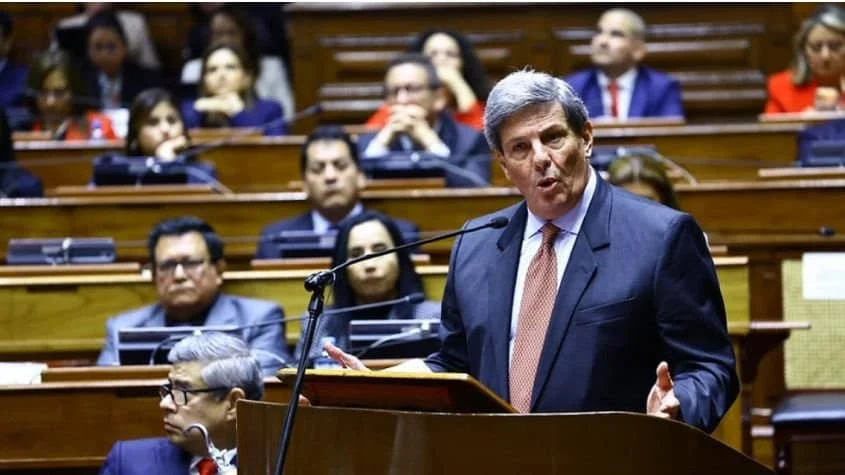
The resignation of Rafael Rey was formalized earlier this week, marking the end of his tenure at the helm of one of the most critical ministries in the executive branch. In his formal letter of resignation, Rey was unequivocal about the necessity of his decision, noting that his current medical condition renders him unable to perform the duties of the office with the level of dedication, intensity, and focus that the position demands.
"It has been a profound honor to serve the country alongside the President and my colleagues in the Cabinet," Rey stated in his farewell remarks. "However, the responsibilities inherent to the Ministry of Transport and Communications require a level of physical and mental stamina that my current health situation simply cannot sustain at this juncture."
The PCM, led by Prime Minister Luis Galarreta, moved quickly to accept the resignation and express their gratitude for Rey’s service. In a statement released through official social media channels, the government recognized the technical rigor and professional commitment that Rey brought to the ministry.

Chronology: From Appointment to Resignation
To understand the context of this departure, one must look at the timeline of Rey’s tenure and the broader political environment in which he operated.
- Initial Appointment: Rafael Rey was appointed to the MTC during a period of intense focus on closing the country’s infrastructure gap. His mandate was clear: accelerate the execution of regional road networks and finalize the expansion of key telecommunications infrastructure to underserved rural areas.
- Mid-Term Challenges: During his time in office, Rey navigated several significant challenges, including supply chain disruptions that affected the cost of construction materials and the complex negotiations required for major public-private partnerships (PPPs) in the transportation sector.
- The Final Months: Leading up to his resignation, observers noted that Rey had maintained a lower profile in public events, focusing heavily on internal administrative restructuring within the MTC.
- The Announcement: Following a brief period of speculation regarding a cabinet shuffle, the official announcement of his resignation was made public, triggering the formal process of identifying a successor.
Supporting Data: The Magnitude of the MTC Portfolio
The Ministry of Transport and Communications is arguably one of the most vital engines of the Peruvian economy. Its influence touches almost every aspect of daily life and industrial progress. To appreciate the weight of the office Rey is vacating, one must consider the scope of the portfolio:
1. Infrastructure Development
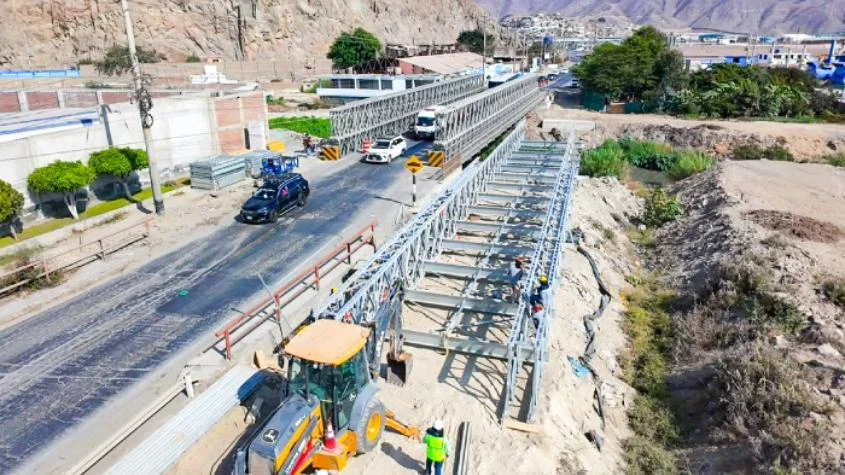
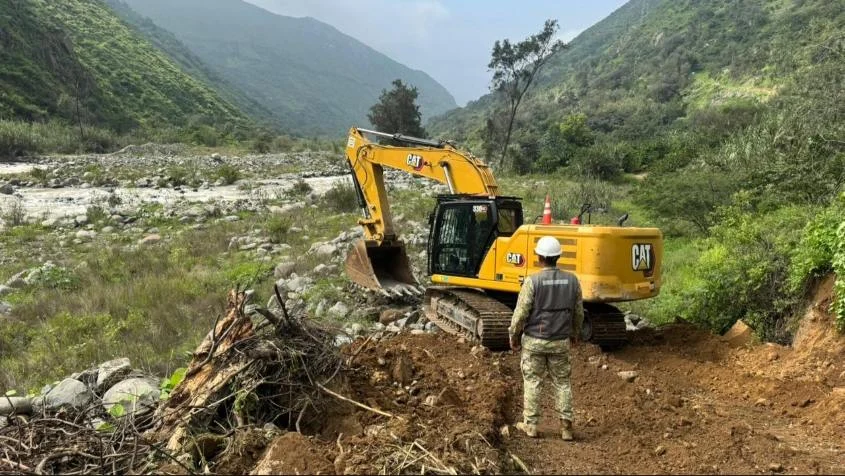
The MTC is responsible for the National Road Network, which includes thousands of kilometers of paved and unpaved roads. The current administration has prioritized the "Puentes para el Desarrollo" (Bridges for Development) program, aimed at connecting remote Andean communities to major trade hubs. Rey’s leadership was pivotal in navigating the bureaucratic hurdles associated with these projects.
2. Telecommunications Expansion
In an era of digital dependency, the MTC’s role in overseeing the expansion of broadband internet and mobile connectivity is crucial. The investment in fiber-optic backbones under Rey’s administration was intended to reduce the "digital divide" that persists between urban centers like Lima and the more isolated provinces.
3. Regulatory Oversight
Beyond building roads and towers, the MTC serves as a regulator for the civil aviation, maritime, and telecommunications sectors. This involves balancing the interests of major private concessionaires with the public’s need for affordable and reliable services.
Official Responses: Government and Political Reactions
The reaction from the Executive branch has been one of professional solidarity. President Keiko Fujimori has reportedly held private consultations to discuss a smooth transition, ensuring that no project currently under construction faces a cessation of operations.

The PCM’s statement emphasized the continuity of the state: "We recognize and appreciate the work carried out by the minister in service of the country. We are certain that his valuable contribution to Peru will continue in other capacities once his health allows."
From the legislative front, members of the opposition and the government coalition alike have acknowledged the personal nature of the resignation. Political analysts suggest that while Rey’s departure is a loss for the current cabinet’s technical wing, the government has enough institutional stability to absorb the change without a significant shift in its broader policy goals.
Implications: What Comes Next for the MTC?
The resignation of a cabinet minister, especially one in a high-stakes role like Transport and Communications, triggers several immediate administrative and political implications.
The Challenge of Continuity
The primary concern for the government is preventing a slowdown in the execution of public investment. When a minister leaves, there is often a "transition period" where mid-level officials wait for directives from the new leadership. To mitigate this, the PCM has indicated that the current Vice Ministers will maintain operational continuity, ensuring that ongoing contract tenders and maintenance projects remain on schedule.
The Search for a Successor
The profile of the next Minister of Transport and Communications will be scrutinized heavily. Given the complexity of the current infrastructure agenda, the government will likely seek a candidate who possesses a blend of engineering expertise, legal knowledge regarding public works, and the political acumen to manage relationships with regional governors and private sector stakeholders.
Economic Impact
Investors and international financing organizations (such as the World Bank or IDB) monitor cabinet changes closely. A swift, transparent, and orderly transition is essential to maintaining confidence in the government’s commitment to its long-term infrastructure plan. Any uncertainty regarding the leadership of the MTC could lead to temporary volatility in how public-private partnership projects are perceived.

Final Reflections: The Human Side of Governance
Beyond the political analysis, Rey’s resignation serves as a reminder of the immense pressure exerted on high-ranking government officials. The "dedication" to which Rey referred in his letter is not merely a bureaucratic phrase; it represents the grueling schedule, the constant public scrutiny, and the weight of decisions that affect millions of citizens.
As the country looks forward to the appointment of a new minister, the legacy of Rafael Rey will be evaluated based on the progress of the projects he initiated and the structural improvements he managed to implement within the MTC.
The administration’s promise to facilitate a "transparent and orderly transfer" of power is a positive signal. In the coming weeks, the focus will undoubtedly shift toward the new appointee and whether they will maintain the current trajectory or introduce new reforms to the ministry’s operational strategy.
For now, the focus remains on ensuring that the vital work of connecting Peru—both physically and digitally—continues without interruption, a goal that remains at the heart of the national agenda. As the dust settles on this ministerial departure, the Peruvian government faces the challenge of maintaining momentum in one of the most critical sectors for the nation’s future economic development.