In a proactive bid to mitigate the potentially devastating impacts of the El Niño phenomenon, the Peruvian Ministry of Economy and Finance (MEF) has entered into a formal coordination agreement with the nation’s leading business associations. This strategic alliance marks a critical pivot in national disaster management, shifting from reactive post-disaster recovery to a model of collaborative, logistics-driven prevention. As climate forecasts indicate an increasing probability of severe weather events, the government and the private sector are pooling their operational assets to safeguard infrastructure, supply chains, and the livelihoods of millions.
The Mandate: A Unified Front Against Climate Volatility
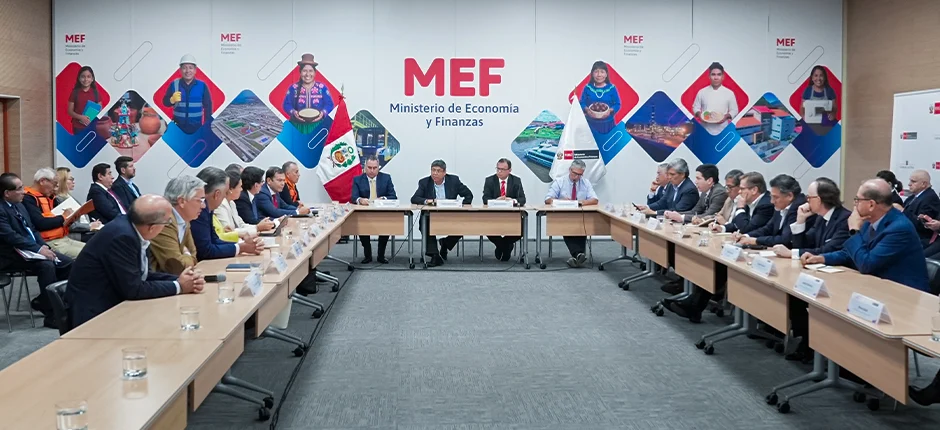
The meeting, held under the auspices of the National Commission for Risk Management of the El Niño Phenomenon (FEN), served as the launchpad for a structured roadmap. The objective is clear: to leverage the efficiency of private enterprise to bridge the resource gaps that often hinder public sector emergency responses.
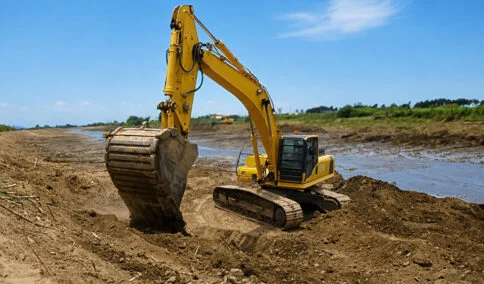
Jorge Zapata Ríos, president of the Confederation of Private Business Institutions (CONFIEP), emphasized that the private sector is not merely offering moral support but is placing its core operational capabilities—ranging from heavy machinery and industrial motobombs to secure warehousing and technical expertise—at the disposal of the Executive branch. This move is designed to ensure that when the rains intensify and flooding threats escalate, the state has immediate access to the necessary tools to maintain essential services and protect vulnerable zones.
Chronology of Collaboration: From Consultation to Action
The road to this partnership has been accelerated by the urgency of climate data. While the threat of El Niño has been discussed in academic and meteorological circles for months, the transition to a formal inter-sectoral working group has moved through several key phases:
- Early Warning and Assessment (Q1-Q2 2023): As international weather agencies began signaling an El Niño event, the Peruvian government initiated risk assessments. It became clear that the scale of potential damage required a multisectoral response beyond the capacity of individual state ministries.
- Preliminary Consultations (July-August 2023): The MEF began informal dialogues with industry leaders, acknowledging that administrative bottlenecks—specifically in permitting and authorization—could prove fatal in an emergency.
- The Strategic Summit (Recent): The formal meeting between the MEF and the business gremios served to codify these discussions into a working agenda. The focus shifted from conceptual discussions to the submission of specific proposals regarding resources, operational deadlines, and material requirements.
- Operational Phase (Current): Under the leadership of Carlos Neuhaus, president of the Association of Malls and Entertainment Centers of Peru (ACCEP), the private sector is currently mapping out its logistics network. This phase involves identifying which assets can be deployed to which regions and establishing a clear communication protocol between the private sector and the National Civil Defense Institute (INDECI).
Supporting Data and Sectoral Contributions
The breadth of the coalition reflects the systemic nature of the threat. The participation of key industry pillars underscores that El Niño affects not just agriculture, but the very foundation of the Peruvian economy.
- Infrastructure and Construction: CAPECO and AFIN are focusing on the protection of transport corridors and public works. By leveraging their technical teams, they aim to prevent the isolation of communities caused by collapsed bridges or eroded highways.
- Logistics and Coordination: The integration of "Hombro a Hombro," a private sector organization specialized in emergency response, is a strategic masterstroke. Having refined their methodology through previous crises, they provide the "connective tissue" required to move resources from private warehouses to disaster-stricken areas.
- Financial and Institutional Backing: ASBANC (Banking Association) and other representative bodies are evaluating the financial implications of potential disruptions, ensuring that credit lines and essential banking services remain accessible even in the face of widespread regional instability.
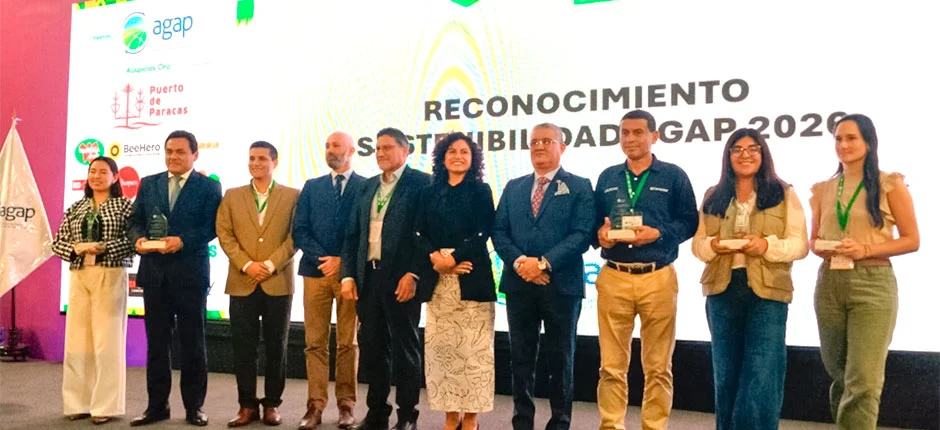
- Productive Sectors: AGAP (Agriculture), the SNMPE (Mining and Energy), and the SNP (Fisheries) are conducting internal audits of their own critical infrastructure. Their role is to provide the "eyes and ears" on the ground, reporting early signs of failure in rural or remote areas where the state may have limited presence.
Official Responses: Navigating the Bureaucratic Hurdle
One of the most significant outcomes of the recent summit was the candid discussion regarding administrative obstacles. Business leaders, led by the collective voice of the gremios, presented a series of proposals aimed at "cutting red tape." These proposals specifically target the complex permitting processes that frequently delay the immediate repair of drainage systems, flood barriers, and emergency access roads.
The Ministry of Economy and Finance has responded with a pragmatic request: for every proposal submitted, the private sector must provide a detailed breakdown of the required resources, realistic timelines, and the specific operational requirements needed to execute the work. This "evidence-based approach" ensures that the MEF can legally and efficiently authorize these deviations from standard procurement processes without compromising fiscal transparency.
"We are not looking for shortcuts to bypass the law," a spokesperson for the delegation noted, "but rather for the agility to apply existing emergency frameworks more effectively." The MEF’s willingness to entertain these modifications suggests a shift in the government’s philosophy toward public-private partnerships during national emergencies.
Economic and Social Implications
The implications of this collaboration are profound. For the Peruvian economy, the cost of inaction is measured in billions of dollars—not only in destroyed infrastructure but in the loss of agricultural yields and the disruption of the mining export cycle.
The Human Cost
Beyond the balance sheets, the human dimension remains the priority. The strategic placement of motobombs and the availability of private logistics networks to deliver food and water are essential to preventing the humanitarian crises that have historically accompanied extreme flooding in Peru.
Strengthening Resilience
This initiative also serves as a long-term blueprint for disaster risk reduction. By formalizing the role of the private sector in emergency planning, Peru is institutionalizing a culture of "shared responsibility." It acknowledges that in a modern, globalized economy, the resilience of the nation is the collective responsibility of both the regulator and the regulated.
Political Stability
Furthermore, this collaboration acts as a stabilizing force. Effective disaster management is a key metric by which the public judges the competence of the government. By demonstrating that the Executive and the business community are working in lockstep, the government is signaling to the populace that it is prepared, organized, and focused on public safety, which is essential for maintaining social cohesion during times of distress.
Conclusion: A Model for Future Cooperation
The agreement reached between the MEF and the country’s top industry leaders is more than a temporary fix; it is a fundamental shift in how Peru manages systemic risk. As the country braces for the climate challenges ahead, the synergy between the government’s regulatory authority and the private sector’s operational agility will likely determine the scale of the impact.
The upcoming weeks will be decisive. As Carlos Neuhaus and his team move to coordinate the specific contributions of each gremio, the success of this initiative will be judged by the speed and efficiency with which these private assets are deployed. If successful, this model could become the gold standard for public-private disaster response, not just for El Niño, but for any future existential challenges facing the Peruvian state.
In this high-stakes environment, the message from the capital is clear: when the climate turns, the country will not be acting as a series of isolated entities, but as a unified national front. The private sector’s commitment to providing "Hombro a Hombro" (shoulder to shoulder) support is a testament to the resilience and unity required to navigate the coming months.