Introduction: A Clash of Parliamentary Oversight and Privacy
The parliamentary landscape in the region has been stirred by a burgeoning investigation into the conduct of Christian Aranda, a representative of the Renovación Popular party. The Commission of Ethics of the Congress has officially opened an inquiry into allegations that Aranda improperly disclosed sensitive, private medical data belonging to a patient who sought a therapeutic abortion at the Guillermo Díaz de la Vega Regional Hospital in Abancay.
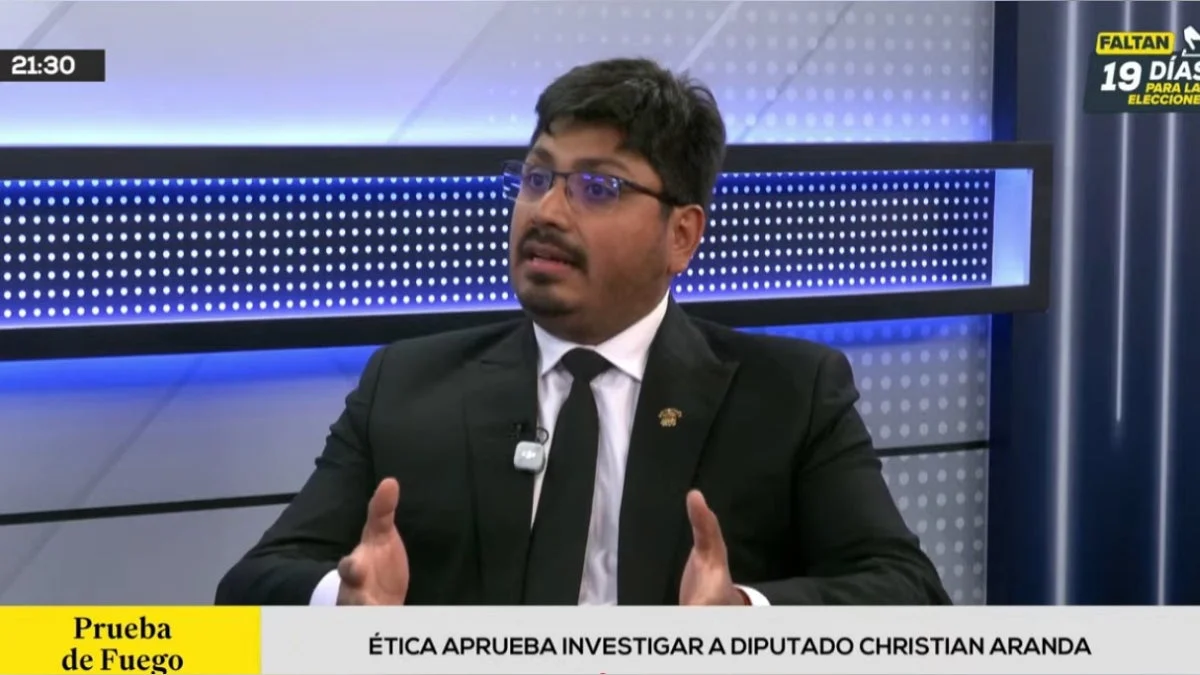
During a high-profile appearance on the RPP program Prueba de Fuego, Aranda addressed the scrutiny surrounding his actions. The deputy maintained that his request for information was a legitimate exercise of his fiscalization duties—a constitutional prerogative afforded to lawmakers—rather than an attempt to breach medical confidentiality or intimidate health personnel. As the investigation gathers steam, the case has ignited a national debate concerning the boundaries of congressional oversight versus the fundamental right to patient privacy.
Chronology of Events: From Official Inquiry to Public Outcry
To understand the gravity of the situation, it is necessary to examine the timeline of the events that led to the current ethical crisis.
- The Request for Information: The controversy originated when Deputy Aranda submitted an official document to the administrative authorities of the Hospital Regional Guillermo Díaz de la Vega. In this document, Aranda requested detailed information regarding a specific case of therapeutic abortion performed at the facility.
- The Alleged Disclosure: Subsequent to the submission of the document, reports emerged suggesting that details of the patient’s medical file had been discussed or disseminated in a manner that potentially violated privacy protocols. Critics argued that by making the request and discussing the specifics, the deputy had exposed the patient to public scrutiny.
- The Public Reaction: The disclosure prompted immediate backlash from human rights organizations and medical associations, who argued that such actions could discourage patients from seeking legal, life-saving medical procedures.
- The Ethics Commission Intervention: Following the outcry, the Parliamentary Commission of Ethics initiated an inquiry. This phase—the stage of investigation—is designed to determine if there is sufficient evidence of misconduct to warrant a full disciplinary proceeding.
- The RPP Interview: On the evening of the program Prueba de Fuego, Aranda provided his first detailed public defense, emphasizing his willingness to submit to the Commission’s findings while reiterating his commitment to the rule of law.
Supporting Data: The Legal Framework of Therapeutic Abortion
At the heart of the debate is the tension between the legal status of therapeutic abortion and the parliamentary duty to audit public institutions.
In the jurisdiction, therapeutic abortion is a regulated medical procedure, permitted under specific circumstances where the life or health of the mother is at risk. Legislative oversight is generally permitted; however, the Data Protection Act and medical confidentiality laws provide stringent protections for patients.
Aranda’s defense rests on the premise that he was not investigating the patient, but rather the institution. He argues that he has a duty to ensure that public hospitals are not circumventing legal requirements. "In the case of therapeutic abortion," Aranda stated, "it is not what the deputy or the senator says; it is what the law provides. I was simply verifying that the institution was in strict compliance with the existing legal framework."
Official Responses and the Defense of Duty
Deputy Aranda’s defense during his interview was characterized by a combination of contrition for the personal impact of his actions and defiance regarding his legislative role.
The Stance on Confidentiality
"I regret honestly if some people have felt exposed by what happened," Aranda told RPP. "That was not the intention." By framing his actions as an unintended consequence of a broader fiscalization effort, Aranda is attempting to shift the narrative from one of malice to one of procedural oversight. He has indicated that he will present a formal defense to the Ethics Commission, where he intends to document that his request for information was strictly technical.
The Role of the Commission
The deputy emphasized that the final verdict rests with the Ethics Commission. He noted that he is prepared to accept the body’s determination on whether his information request was "correct or incorrect." By placing the burden of judgment on the Commission, Aranda seeks to normalize the investigative process, positioning himself as a politician adhering to the established rules of the legislative house.
Implications for Legislative Oversight and Executive Relations
Beyond the immediate ethical inquiry, the interview highlighted broader tensions regarding the relationship between the legislative and executive branches. The second half of the discussion focused on the government’s request for delegated legislative powers.
Rigorous Evaluation vs. Blanket Approval
Aranda, who serves as a member of the Commission on Agrarian Development, expressed a strong resistance to providing the Executive with a "blanket" delegation of powers. Instead, he advocated for a granular, case-by-case evaluation of each proposal.
"The Government is expecting too much by wanting this approved as a ‘zero-sum’ game," he remarked. "We need to discuss which points we are willing to grant, and which aspects meet the specific requirements of Article 104 of the Constitution."
The Agrarian Technical Report
In a move to showcase his commitment to legislative precision, Aranda revealed that his office, in coordination with Deputy Lila Prado, had produced a technical report. This report serves as a roadmap for which areas of agrarian policy are suitable for delegated legislation and which remain under the purview of Congress. By prioritizing this technical approach, Aranda is attempting to re-establish his image as a rigorous, detail-oriented lawmaker, potentially hoping that this professional reputation will influence the Ethics Commission’s perception of his recent controversial actions.
The Broader Context: Ethics in the Digital Age
The Aranda case represents a modern challenge for parliaments worldwide: the intersection of social media, political transparency, and the right to privacy. In an era where information can be weaponized in seconds, the role of a legislator in requesting administrative data has become fraught with risk.
The Balancing Act
Lawmakers are empowered to investigate the performance of public entities, including hospitals. However, the digital amplification of these investigations can lead to the exposure of vulnerable citizens. The Ethics Commission’s forthcoming report will likely set a precedent for how much transparency a legislator can demand before it infringes upon individual civil liberties.
Institutional Trust
The reputation of the Congress is also at stake. With public trust in legislative bodies often fragile, the handling of the Aranda inquiry will serve as a litmus test for the Ethics Commission’s independence. If the investigation is seen as a "whitewash," it could further damage the credibility of the parliament. Conversely, if it leads to a strict enforcement of privacy protocols, it may strengthen the legislative branch’s role as a guardian of the law.
Analysis: The Path Forward
As the investigation proceeds, several critical questions remain unanswered:
- Evidence of Malice: Will the Commission find that Aranda’s request was purely for fiscalization, or was there an underlying political motive to target the specific medical procedure?
- Institutional Responsibility: Did the hospital err in its handling of the request, or did the deputy’s public statements about the request facilitate the breach of data?
- Legislative Reforms: Will this case lead to new regulations regarding how congresspeople can request sensitive medical data from public institutions?
For now, Deputy Aranda remains in a precarious position. While he maintains his focus on the legislative agenda—specifically the debates on agrarian reform and the delegation of powers—the cloud of the ethics inquiry looms large over his office.
His strategy of framing himself as a defender of the law against bureaucratic potential for error is a calculated one. It appeals to his constituency’s desire for fiscal oversight, while his apology for the "exposure" of the patient aims to mitigate the backlash from human rights advocates. Whether this dual approach will suffice to save him from a formal sanction remains to be seen.
Conclusion
The investigation into Deputy Christian Aranda is more than just a procedural dispute; it is a fundamental debate about the limits of power. As the Parliamentary Commission of Ethics moves toward a final determination, the outcome will resonate far beyond the walls of the Congress. It will define the protocols of future fiscalization efforts and clarify the balance between the public’s right to know how their tax dollars are spent in health institutions and the individual’s right to keep their medical history private.
As Aranda prepares his formal defense, the eyes of the public remain fixed on the Commission, waiting to see if the institution will prioritize the protection of the vulnerable or the political prerogatives of its own members. In this high-stakes environment, the integrity of the democratic process itself is on trial.