By [Journalist Name/Agency], reporting from Expomina Perú 2026
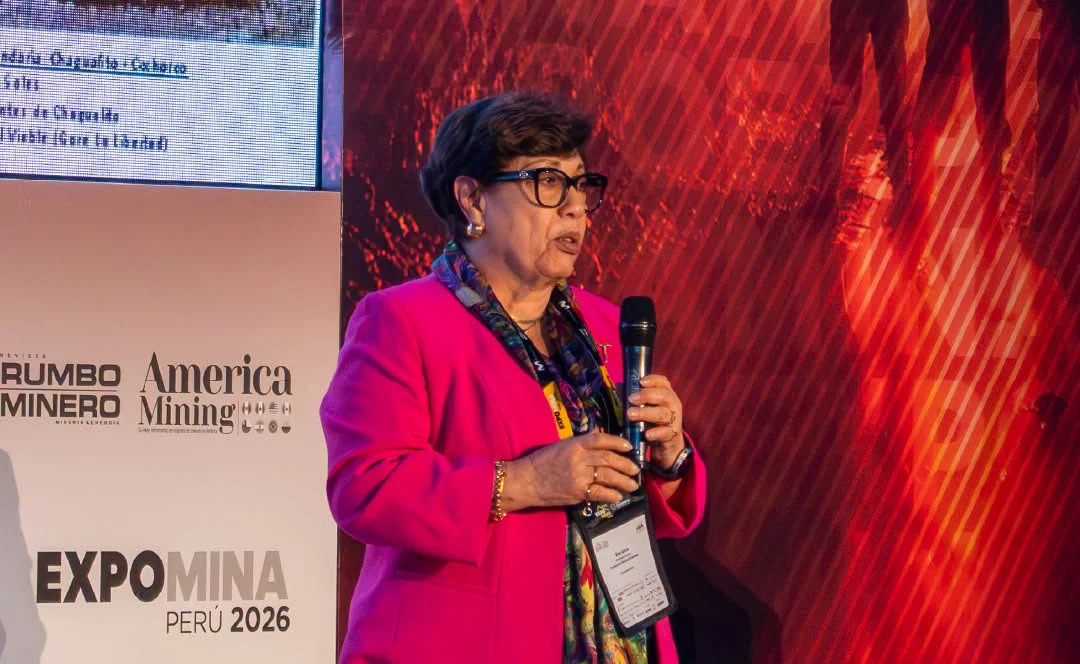
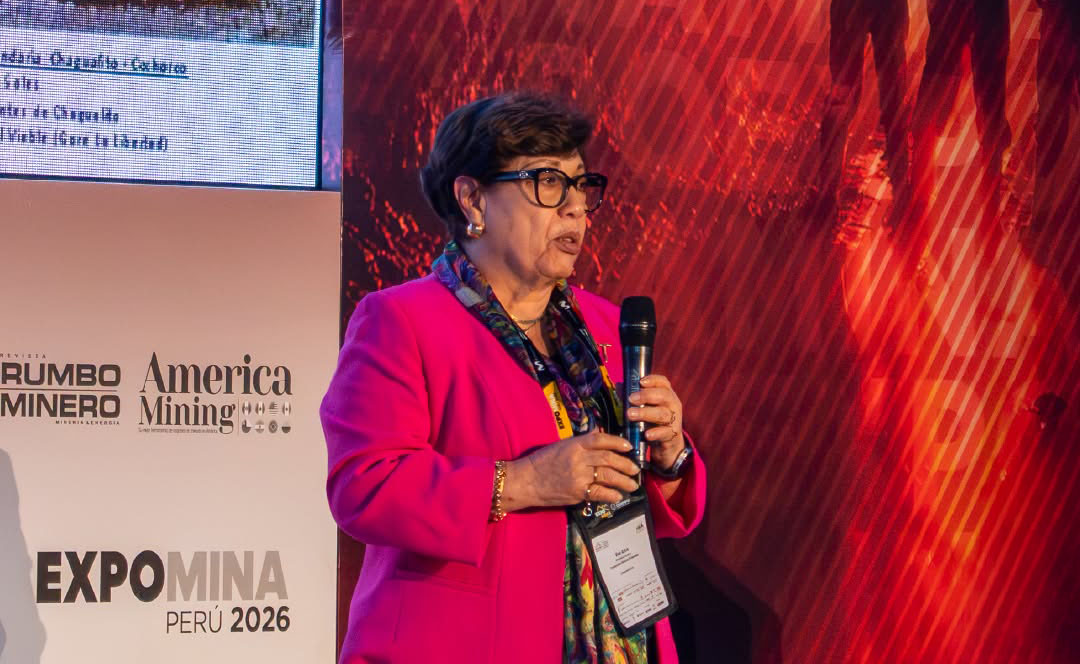
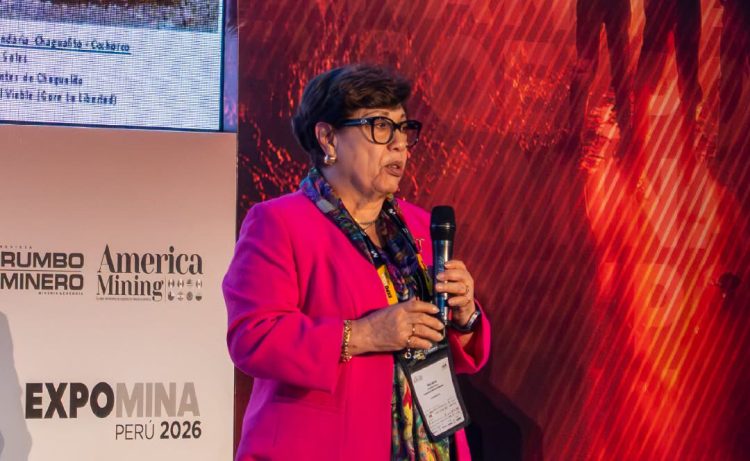
In the rugged landscapes of the Pataz province, a silent revolution has been unfolding for nearly fifty years. During her keynote address at Expomina Perú 2026, Eva Arias, Executive Chairwoman of Compañía Minera Poderosa, presented a compelling case study on how industrial mining can act as a catalyst for profound socioeconomic transformation. By shifting the paradigm from mere extraction to long-term territorial development, Poderosa has redefined the relationship between a mining operation and its host community.
Main Facts: A Legacy of Evolution and Impact
Since its arrival in the Pataz region in 1977, Poderosa has evolved from a nascent operation into a cornerstone of the Peruvian gold mining sector. The company’s trajectory is defined not just by its production figures, but by its philosophy: that mineral wealth must be converted into sustainable human and infrastructure capital.
The central thesis of Arias’ presentation was that mining is not an isolated endeavor but an integrated component of regional progress. Under her leadership, Poderosa has championed a collaborative governance model that engages the state, local communities, and the private sector to bridge the gap in basic services—a gap that historically plagued the remote regions of the Andes.
Chronology: Five Decades of Industrial and Social Progress
To understand the scope of Poderosa’s impact, one must look at the timeline of its operational and social footprint:
- 1977 – The Foundation: Poderosa establishes its presence in the Pataz province, initiating a long-term commitment to a historically isolated region.
- 1982 – Operational Milestone: The Marañón plant commences production with a capacity of 120 metric tons per day (MTD). This marked the beginning of a sustained industrial climb.
- 2007 – Institutionalizing Participation: The company formalizes the "Community Development Committees," creating a structured platform for local stakeholders to voice their needs and co-manage development projects.
- 2010s – The Infrastructure Surge: The company accelerates investments in connectivity, including the development of a shared-use aerodrome and extensive rural electrification programs.
- 2026 – The Current Standard: With a production capacity now reaching approximately 1,940 metric tons per day, Poderosa stands as a benchmark for operational efficiency and social integration.
- Future Outlook: The company sets firm environmental benchmarks, aiming for net-zero emissions (Scope 1 and 2) by 2030, and full value-chain decarbonization (Scope 3) by 2050.
Supporting Data: The Metrics of Transformation
The success of Poderosa’s approach is substantiated by quantitative indicators that highlight a dramatic improvement in the quality of life within its area of influence.
Health and Nutrition
One of the most striking achievements highlighted by Arias is the drastic reduction in childhood anemia. Starting from a baseline of approximately 74%, the company’s coordinated health interventions have pushed this figure down to roughly 7%. This reduction is part of a broader health strategy that includes improvements in chronic malnutrition rates and access to potable water through the support of Juntas Administradoras de Servicios de Saneamiento (JASS).
Connectivity and Infrastructure
Poderosa’s infrastructure strategy has fundamentally altered the geography of Pataz. Through a combination of direct investment and public-private partnerships, the company has:
- Electrification: Achieved a coverage rate of approximately 93% for households in the district, a feat that would have been financially unviable for the state alone.
- Mobility: Enabled regional connectivity through road development and an aerodrome that serves both company logistics and the general population.
- Education: Targeted investments in school infrastructure, coupled with literacy and reading comprehension programs, have elevated the educational standards for the youth of Pataz.
Official Responses and Collaborative Governance
Eva Arias emphasized that none of these results could have been achieved in a vacuum. The "Poderosa Model" relies heavily on the Comités de Desarrollo Comunal (Community Development Committees) and the JASS. These entities function as democratic hubs where the community identifies, prioritizes, and oversees the execution of projects.
"The secret is not just the capital injected, but the governance structure that ensures that capital serves the community’s actual needs," Arias noted during her presentation. By empowering local leaders to manage their own water and sanitation services, Poderosa has fostered a sense of ownership that ensures the longevity of these projects long after the initial investment.
Furthermore, the company has diversified its impact through strategic alliances. The partnership with the International Potato Center (CIP) is a prime example. By applying scientific research to characterize native potato varieties and promoting regenerative agriculture, Poderosa is helping local farmers modernize their practices, thereby ensuring economic resilience beyond the life of the mine.
Implications: The Future of Responsible Mining
The implications of Poderosa’s model for the broader Peruvian mining industry are significant. As the nation faces challenges related to social conflicts and the "mining paradox"—where resource-rich regions often suffer from high poverty—Poderosa offers a viable roadmap.
The Sustainability Mandate
The company’s commitment to achieving net-zero emissions by 2050 demonstrates that traditional mining is undergoing a green transition. By prioritizing Scope 1, 2, and 3 emissions, Poderosa is aligning itself with global ESG (Environmental, Social, and Governance) standards, ensuring that its products remain competitive in an increasingly carbon-conscious international market.
Obras por Impuestos (Works for Taxes)
Arias highlighted the strategic use of Obras por Impuestos as a key mechanism for accelerating development. This fiscal tool allows companies to invest their tax obligations directly into infrastructure projects, effectively bypassing bureaucratic bottlenecks and delivering tangible results to the community in record time.
A Call for Articulation
The underlying message of the presentation at Expomina 2026 was a call for greater "articulation." For Poderosa, the tripartite alliance between the private sector, the State, and the local community is not merely a strategy but a survival necessity. As the mining industry globally faces pressure to justify its social license to operate, the Pataz experience provides a compelling argument: when mining is treated as a partner in development rather than an external agent, the results are transformative.
Conclusion
As the mining sector looks toward the next decade, the example set by Poderosa serves as a vital case study. It proves that the "mining curse" is not inevitable; rather, it is a matter of management, intent, and deep community integration. By focusing on fundamental human indicators—health, nutrition, connectivity, and education—Poderosa has proven that a mine can leave behind a legacy far more valuable than the ore extracted from the earth: a prosperous, electrified, and well-nourished community.
In the words of Eva Arias, the mission of Poderosa remains clear: to continue as a pillar of progress, ensuring that the wealth beneath the mountains of Pataz continues to pave the way for a more sustainable, equitable future for all its inhabitants. As the industry advances toward 2030 and beyond, the blueprint established by Poderosa in Pataz will undoubtedly serve as a foundational reference for responsible mining practices across the Andes and beyond.