In a significant stride toward sustainable regional development, Minera Bateas, in strategic partnership with Agro Rural, has launched a comprehensive initiative aimed at revolutionizing the alpaca fiber industry in the district of Caylloma, Arequipa. By integrating traditional pastoral knowledge with modern processing technology and business management, this collaboration seeks to transition local producers from raw material suppliers to value-added participants in the global textile market.
Main Facts: A Holistic Approach to Economic Empowerment
The partnership between Minera Bateas and Agro Rural is built upon a multi-tiered framework designed to address the systemic challenges faced by alpaca herders in the high-altitude Andean regions. For generations, the producers of Caylloma have struggled with fragmented supply chains, fluctuating market prices, and limited access to technology.
The current intervention focuses on four critical pillars:
- Supply Chain Optimization: Improving the quality and consistency of fiber collection from remote annexes.
- Technological Integration: Providing maintenance and training for industrial machinery within the Cooperativa Agraria de Hilados de Alpaca del Distrito de Caylloma.
- Market Access: Facilitating participation in regional and national artisanal fairs to bridge the gap between rural producers and urban consumers.
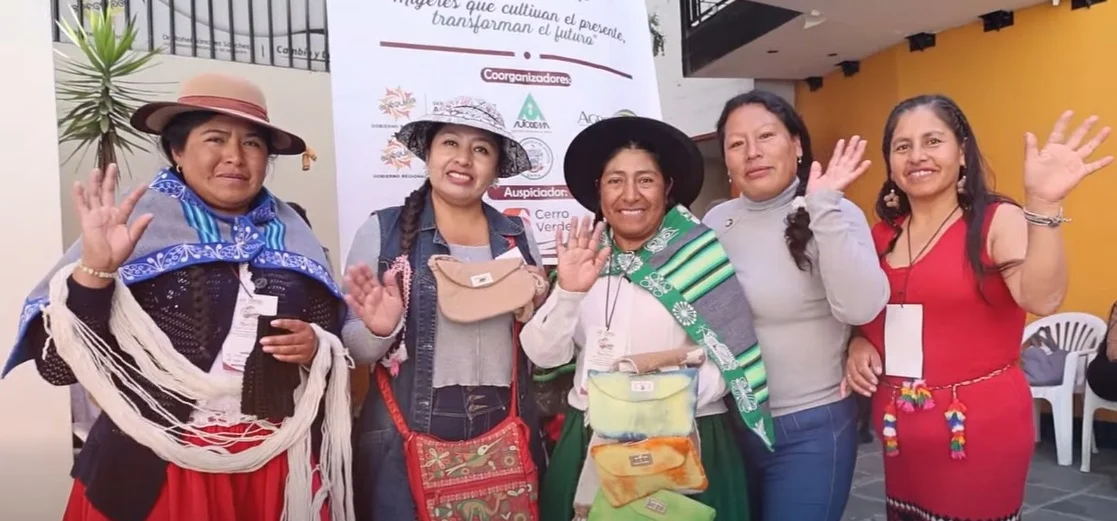
- Human Capital Development: Empowering female entrepreneurs through leadership training and business management workshops.
By targeting the entire lifecycle of the fiber—from the initial shearing of the alpacas to the final sale of finished garments—the program ensures that a higher percentage of the profit margin remains within the local community.
Chronology: The Evolution of a Strategic Partnership
The initiative did not emerge in a vacuum; it is the culmination of years of relationship-building between the mining sector and local agrarian stakeholders.
- Initial Engagement (Phase 1): Minera Bateas identified the textile sector as a high-potential area for sustainable development during its routine social impact assessments in the Caylloma district.
- Strategic Alignment (Phase 2): Formalizing the alliance with Agro Rural provided the technical expertise and institutional legitimacy required to scale the project. This phase involved mapping out the logistical requirements of the local cooperatives.
- Operational Launch (Phase 3): The deployment of technical teams to the field to conduct audit assessments of existing machinery and to initiate the first round of training for cooperative members.
- Capacity Building (Phase 4): Integration of local leaders into broader regional forums, such as the Primer Congreso Regional de la Mujer Rural in Arequipa, signaling a shift from local production to regional networking.
Supporting Data: The Socio-Economic Impact of Alpaca Fiber
The alpaca industry is a pillar of the Peruvian economy, particularly for families living above 4,000 meters above sea level. According to recent industry data, Peru is home to the world’s largest population of alpacas, yet many rural producers receive only a fraction of the market value of the luxury fiber they produce.

The Value-Added Gap
- Raw Fiber Sale: When sold as raw, unwashed fiber, producers often face "predatory" pricing from intermediaries.
- Processed Yarn: By spinning and dyeing the fiber locally, the value increases by approximately 300% to 500% compared to raw fiber.
- Finished Goods: By crafting final garments, the value-add multiplies exponentially, allowing cooperatives to tap into the "slow fashion" and ethical tourism markets.
The intervention by Minera Bateas and Agro Rural directly addresses the "value-added gap" by providing the cooperative with the tools necessary to transform raw fiber into high-quality yarn and textile products on-site.
Official Responses and Stakeholder Perspectives
Representatives from both the public and private sectors have lauded the project as a model for "shared value" initiatives in the mining industry.
"The goal is not merely to donate equipment, but to ensure that the women of Caylloma have the business acumen to navigate the complexities of the textile market," stated a spokesperson for the partnership. "By training them in business management and leadership, we are ensuring that this initiative remains sustainable long after the initial investment phase concludes."
The leadership of the Cooperativa Agraria de Hilados de Alpaca has noted that the most significant impact has been the professionalization of their operations. "Before, we worked in isolation," one member remarked during the regional congress. "Now, we understand the standards required for international export, and we have the machinery to meet those standards."
Implications: The Future of Andean Development
The implications of this partnership extend far beyond the textile industry. This project serves as a blueprint for how mining operations can effectively coexist with and foster the growth of traditional agrarian economies.
1. Gender-Focused Development
A striking feature of this program is its explicit focus on women. In many rural Andean communities, women manage the fiber processing, yet they are often marginalized in decision-making processes. By providing training in leadership and entrepreneurship, the project is fundamentally altering the power dynamics within the community, fostering a new generation of female economic leaders.

2. Economic Diversification
For districts like Caylloma, reliance on a single industry is a significant risk. By strengthening the alpaca value chain, Minera Bateas is helping to diversify the local economy. This resilience is vital for long-term regional stability, ensuring that the community has a robust economic foundation that exists independently of mining extraction cycles.
3. Sustainability and Ethical Consumption
As global consumers increasingly demand transparency and ethical production practices, the work being done in Caylloma positions the cooperative to take advantage of the growing market for "fair trade" alpaca products. The partnership is effectively "future-proofing" the local industry by aligning it with global consumer trends.
Conclusion: A Collaborative Path Forward
The partnership between Minera Bateas and Agro Rural represents a sophisticated approach to corporate social responsibility. By moving beyond traditional charity and focusing on industrial capacity building, the project is empowering the people of Caylloma to control their economic destiny.
As the program moves into its next phase, the focus will likely shift toward scaling up distribution channels and establishing permanent linkages with luxury retailers. If the current trajectory continues, the district of Caylloma is poised to become a benchmark for successful, community-led industrialization in the high Andes—a testament to the power of collaboration between the public, private, and civil sectors.
By fostering local leadership, investing in technology, and providing access to broader markets, this initiative demonstrates that the true wealth of the Andes lies not only in its subsoil but in the skilled hands and innovative spirit of its people. As these women continue to refine their craft and expand their influence, the entire region stands to benefit from a more prosperous, equitable, and sustainable future.