The government of Santa Fe has successfully completed the installation of four modern concrete bridges over the El Rey stream, marking a significant milestone in the regional infrastructure plan for the General Obligado department.
In a move aimed at revitalizing the logistical backbone of northern Santa Fe, the provincial government recently unveiled four new concrete bridges situated along the Provincial Route 98s. This vital artery, which connects the localities of Moussy and La Sarita, has long suffered from the limitations of outdated wooden structures that posed safety risks and hampered the flow of heavy agricultural machinery. With a total investment exceeding 11.5 billion pesos, the project represents a strategic commitment to regional integration and economic development.
Main Facts: A Leap Forward in Engineering
The project, spearheaded by the Provincial Directorate of Roads (Dirección Provincial de Vialidad), replaces obsolete, narrow wooden crossings that were susceptible to weather-related deterioration and load restrictions. The new infrastructure utilizes high-durability reinforced concrete, designed to withstand the rigorous demands of modern transit and the hydraulic pressures of the El Rey stream.
- Project Location: Provincial Route 98s, spanning the corridor between Moussy and La Sarita.
- Infrastructure Type: Four high-capacity reinforced concrete bridges.
- Total Investment: 11.5 billion Argentine pesos.
- Primary Objective: Elimination of structural bottlenecks and improvement of logistical efficiency for the regional agricultural sector.
- Key Beneficiaries: Residents of General Obligado, regional logistics providers, and local agricultural producers.
Chronology: From Concept to Completion
The journey to modernize the Route 98s corridor was not an overnight endeavor. It reflects a systematic approach by the provincial administration to address infrastructure debt in the north of the province.
Phase 1: Assessment and Planning
Following years of complaints from local producers regarding the fragility of the wooden bridges—which often became impassable during the rainy season—the provincial government conducted a comprehensive survey. Engineers determined that the existing wooden structures were no longer compatible with the load requirements of modern farming equipment.
Phase 2: Budgeting and Tendering
The allocation of 11.5 billion pesos was finalized as part of the provincial budget, highlighting the strategic importance of the General Obligado department as an agro-industrial hub. The contract was awarded to regional firms under the oversight of the Provincial Directorate of Roads, ensuring that local labor and materials were prioritized where possible.
Phase 3: Construction and Execution
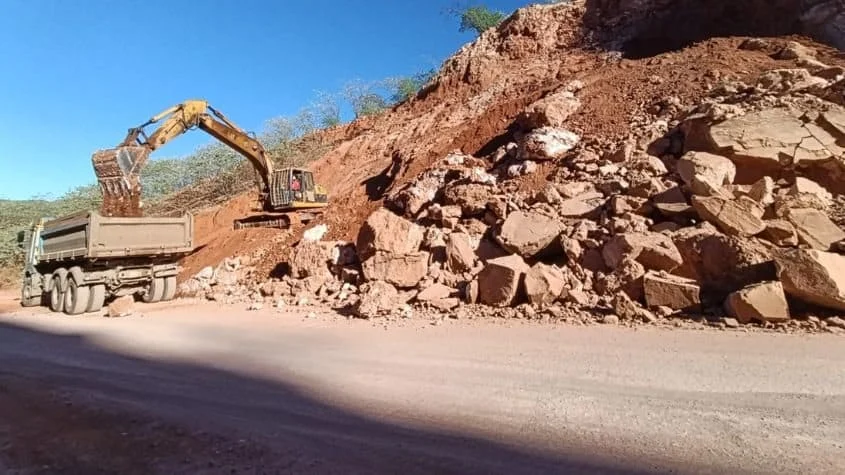
Construction involved complex logistical operations, including the temporary rerouting of traffic and the precise removal of the old wooden spans. Engineers focused on ensuring that the new foundations could support heavy transit even during flood stages of the El Rey stream.

Phase 4: Inauguration
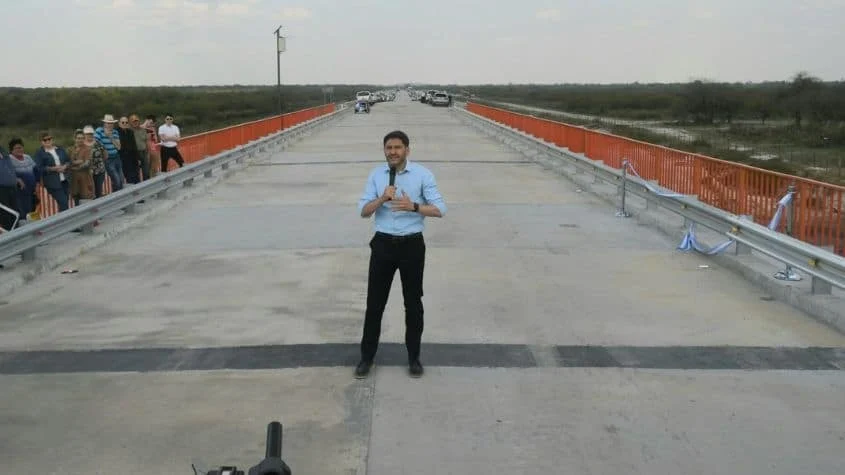
The project was officially opened to the public this September, with Governor Maximiliano Pullaro presiding over the ceremony. The event served as a platform for the administration to reaffirm its commitment to the "Plan del Norte," a broader policy framework designed to minimize the development gap between the northern and southern regions of the province.
Supporting Data: Economic and Logistical Impact
The importance of this infrastructure cannot be overstated. Northern Santa Fe is a powerhouse of primary production, including grains, cattle, and specialized agricultural inputs.
Logistical Efficiency
Before the upgrades, vehicles often had to navigate significant detours during high-water periods, increasing fuel consumption and wear-and-tear on machinery. The new bridges allow for a seamless "straight-line" transit, effectively reducing transit times by an estimated 20-30% for local logistics chains.
Safety Metrics
Wooden bridges, by their nature, lack the safety shoulders and structural redundancy of concrete bridges. The transition to modern standards drastically reduces the risk of structural collapse and traffic accidents. By accommodating wider vehicle widths, the project also reduces the frequency of "bottlenecking," where larger machinery would otherwise have to stop to allow oncoming traffic to pass on one-lane wooden sections.
Official Responses and Strategic Vision
The inauguration ceremony was marked by a clear message from the provincial leadership regarding the role of public works in the current economic climate.
Governor Maximiliano Pullaro’s Perspective
Governor Pullaro emphasized that the bridges represent more than just concrete and steel; they are symbols of provincial sovereignty and economic stability. "Our administration believes that infrastructure is the bedrock of development," Pullaro stated. "By connecting Moussy and La Sarita, we are ensuring that the fruits of our labor in the north reach their destinations safely and efficiently. We are building the roads that the future of Santa Fe depends on."
Minister Lisandro Enrico on Future Infrastructure
Lisandro Enrico, the Minister of Public Works, provided further context regarding the province’s roadmap. He noted that the completion of the El Rey stream bridges is just one part of a larger, multi-year plan.

"We aren’t stopping here," Enrico remarked during the press conference. "We have already identified the next critical points that require intervention." He explicitly pointed to the planned construction of new bridges over the Quencho and Carecó streams. These upcoming projects are intended to create a continuous, safe corridor that will integrate the northern agricultural zones with national transport hubs.
Broader Implications: The "Plan del Norte"
The inauguration of these bridges fits into a wider narrative of provincial integration. Historically, the northern region of Santa Fe has faced challenges related to isolation and lower levels of connectivity compared to the industrial corridors closer to Rosario.
Bridging the Economic Divide
By investing 11.5 billion pesos, the current administration is making a definitive statement about the economic potential of the north. Improved road conditions act as an incentive for private investment. When logistical costs drop, small and medium-sized enterprises (SMEs) become more competitive. Furthermore, the construction process itself provided employment opportunities for local residents, injecting capital directly into the regional economy.
Resilience Against Climate Variability
Given that Santa Fe is susceptible to significant fluctuations in rainfall and flooding, the move toward concrete infrastructure is also an act of climate resilience. The new bridges are designed to withstand high-flow scenarios that previously rendered the route unusable. This continuity of service is vital for the dairy and grain industries, which require year-round, predictable access to markets regardless of meteorological conditions.
Conclusion
The completion of the four concrete bridges on Route 98s is a testament to the power of targeted, data-driven public works. By replacing aging, precarious wooden structures with robust, modern infrastructure, the government of Santa Fe has provided the inhabitants of the General Obligado department with a safer, more reliable connection to the rest of the province.
As the provincial government looks toward the next phase of its infrastructure agenda—including the upcoming works on the Quencho and Carecó streams—it is clear that the focus remains on long-term sustainability. For the residents and producers of Moussy and La Sarita, the path forward is now more secure, efficient, and firmly paved for the future of the northern regional economy.