In a decisive move to stabilize the nation’s logistics and passenger transport sectors, the Peruvian government has authorized an emergency transfer of S/105 million to mitigate the volatile impact of international fuel prices. Through the issuance of Emergency Decree No. 007-2026, the administration aims to prevent the "cost-push inflation" that threatens to destabilize household economies and jeopardize the free transit of essential goods.
The intervention centers on two primary mechanisms: the META-Nacional program, targeting regional and national logistics, and the META-Lima and Callao program, designed specifically for the complex urban transport network of the capital. This initiative, spanning a three-month window, seeks to insulate consumers from the immediate pass-through costs of rising global oil prices, which have reached levels that industry leaders describe as unsustainable.
The Core Mandate: Safeguarding the Supply Chain
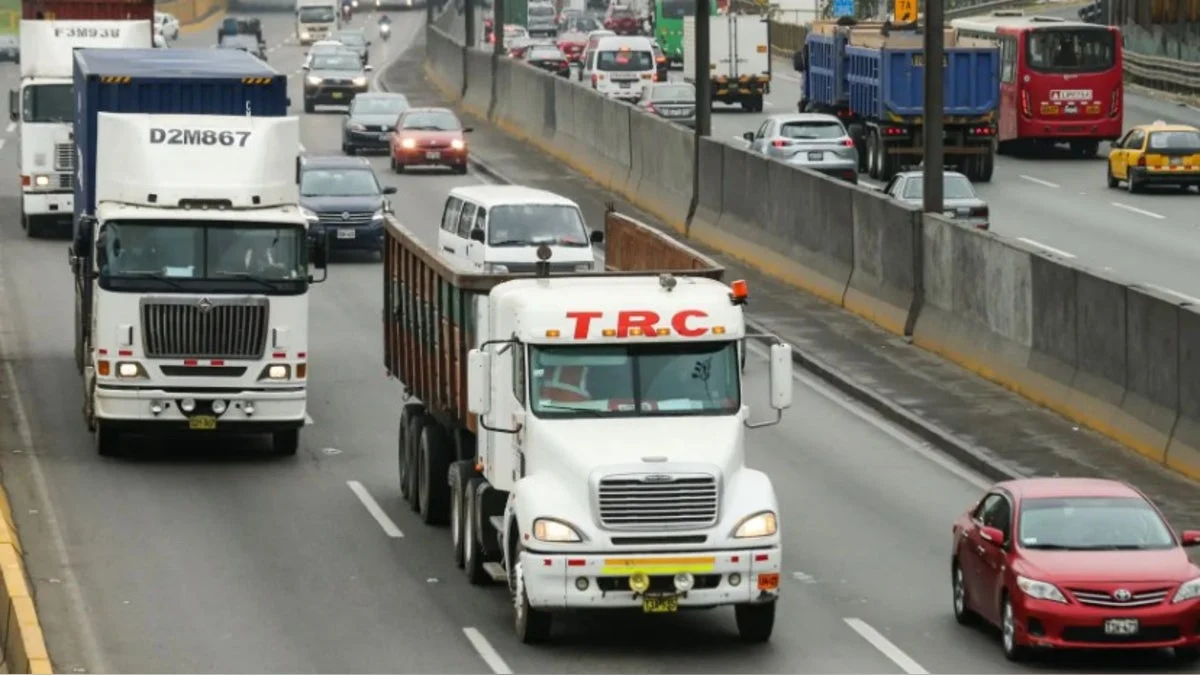
The decree, published in the official gazette El Peruano, highlights the government’s concern regarding the potential for massive fleet paralization. As international geopolitical tensions continue to disrupt energy markets, the cost of diesel—a critical input for the Peruvian transport sector—has skyrocketed, forcing many operators to consider scaling back services or raising fares significantly.
By subsidizing the primary operational cost, the state intends to ensure that the "essential service" of transport remains uninterrupted. The government warns that if the current inflationary trend is not checked, the resulting increase in freight costs would inevitably inflate the prices of basic food items, further eroding the purchasing power of the average Peruvian family.
Chronology of the Crisis: From Global Volatility to Local Unrest
The road to this emergency decree has been marked by mounting social and economic pressure throughout 2026.
- Early 2026: Global geopolitical conflicts in the Middle East begin to exert upward pressure on the price of Brent crude, subsequently impacting refined diesel prices in Peru.
- May–June 2026: Domestic transport unions begin reporting significant financial losses. Wholesale fuel prices reach record highs, exceeding S/24 per gallon in several regions.
- July 2026: Protests erupt in key regions, including Ucayali, Loreto, Arequipa, and Tacna. Transport unions call for indefinite strikes, citing the inability to maintain profitable operations under current tariff structures.
- August 16, 2026: The government officially implements the emergency subsidy period, marking the start of the first of three 30-day payment windows.
- August–November 2026: The implementation phase of the META-Nacional and META-Lima/Callao programs takes effect, providing liquidity to transport companies.
Supporting Data: The Anatomy of the Subsidy
To ensure transparency and fiscal responsibility, the government has bifurcated the allocation of the S/105 million budget into two distinct technical frameworks.
META-Nacional: The Logistics Lifeline (S/60 Million)
This mechanism focuses on regional and provincial connectivity, as well as the movement of goods across the country. The government has established a direct subsidy of S/4 per gallon of Diesel B5 or B20 acquired by eligible transport companies.
- Eligibility: To qualify, operators must possess a valid authorization for passenger or freight service, an active RUC, and proof of purchase through electronic invoices from Osinergmin-registered suppliers.
- Implementation: The funds are disbursed over three consecutive periods: August 16–September 15, September 16–October 15, and October 16–November 15, 2026.
- Validation: The Ministry of Transport and Communications (MTC) will coordinate with regional governments, municipal bodies, the Tax Authority (SUNAT), and Osinergmin to ensure that funds are directed solely to active, compliant fleets.
META-Lima and Callao: Urban Connectivity (S/45 Million)
Urban transport presents a different set of challenges, requiring a more granular approach. The ATU-governed metropolitan area uses a performance-based model rather than a direct fuel-reimbursement model.
- The Kilometer Incentive: Subsidies are tied to the actual distance traveled, as tracked by the Integrated Control and Monitoring System (SICM).
- Tiered Support:
- Omnibuses: S/0.50 per kilometer.
- Minibuses: S/0.40 per kilometer.
- Microbuses: S/0.30 per kilometer.
- Anti-Duplication Measures: The decree explicitly prohibits "double-dipping." Operators within the Lima/Callao jurisdiction are ineligible for the META-Nacional fuel subsidy, ensuring that the two programs remain mutually exclusive and transparent.
Official Responses and Administrative Rationale
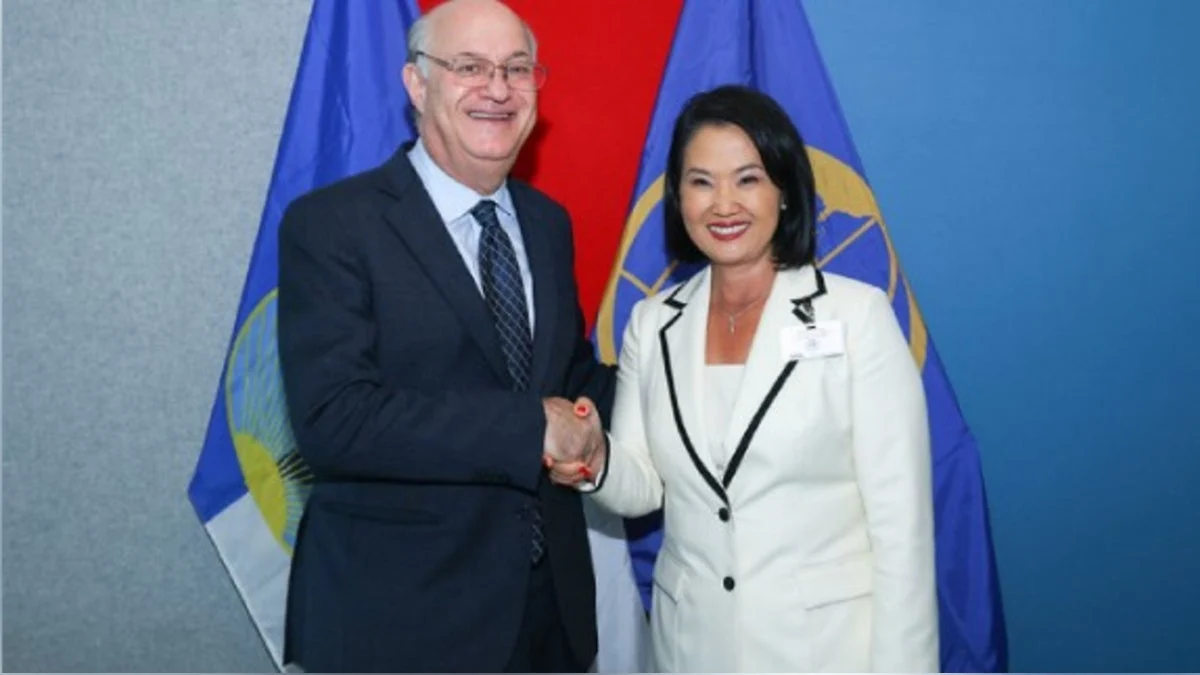
The Decree of Urgency carries the signatures of high-level government officials, including President Keiko Fujimori, Prime Minister Luis Galarreta, Minister of Economy Elmer Cuba, and Minister of Transport Rafael Rey.
The administration has emphasized that this is a "technically designed response" rather than a blanket giveaway. Minister Cuba noted that the funds are drawn from the Ministry of Economy’s "Contingency Reserve," a fiscal tool specifically reserved for shocks of this nature. "The objective is to avoid a systemic collapse of the logistics chain," the Ministry stated, emphasizing that the decree provides the state with the oversight necessary to track every sol disbursed.
Industry representatives have cautiously welcomed the measure, though some regional leaders have expressed that the temporary nature of the subsidy—lasting only until mid-November—may require further legislative attention if the international crisis persists into 2027.
Macroeconomic and Social Implications
The intervention serves a dual purpose: maintaining social order and managing the Consumer Price Index (CPI).
Preventing Economic Contagion
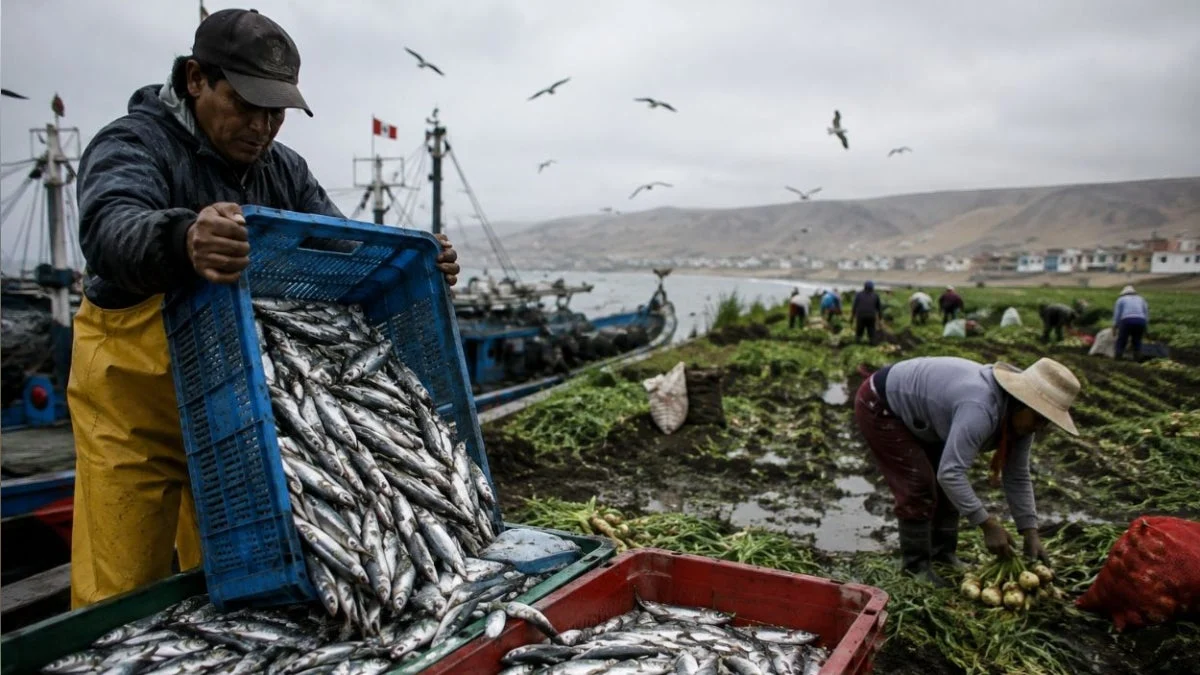
Transport is the "artery" of the Peruvian economy. When fuel costs rise, the cost of transporting food from the highlands to the coast increases, leading to higher grocery prices. By subsidizing transport, the government is essentially creating a buffer that keeps the cost of living stable for low-income households.
The Constitutional Mandate
The government’s legal justification rests on the constitutional right to "free transit." By intervening, the state argues that it is preventing a scenario where private companies, forced to choose between bankruptcy and service suspension, would have to cease operations, thereby infringing upon the public’s right to essential services.
Long-term Outlook
While the S/105 million serves as an immediate shock absorber, economists suggest that the government must eventually pivot toward long-term energy transition or more sustainable fuel hedging strategies. The current decree expires on December 31, 2026, leaving a clear window for the executive and legislative branches to evaluate the effectiveness of these mechanisms before determining if a more permanent structural reform is necessary.
As the country navigates this period of high volatility, the success of the META programs will depend largely on the efficiency of the administrative verification process. With strict controls in place and multi-agency oversight, the government hopes to maintain the flow of goods and people while minimizing the fiscal deficit impact. For now, the focus remains on keeping the engines running and the prices at the market stalls from reaching a breaking point.