Executive Summary
The Peruvian political landscape faced a new surge of tension this week as the Juntos por el Perú (JPP) bench launched a dual-pronged legislative offensive against the current administration’s security policy. Following mounting public outcry over escalating crime rates, JPP leadership has confirmed plans to initiate a formal interpellation process against Interior Minister César Astudillo. Simultaneously, the caucus is moving to dismantle existing regulations governing the tenure of the National Police of Peru (PNP) Command, signaling a broader legislative confrontation regarding the executive branch’s control over security institutions.
The Call for Interpellation: A Response to Rising Insecurity
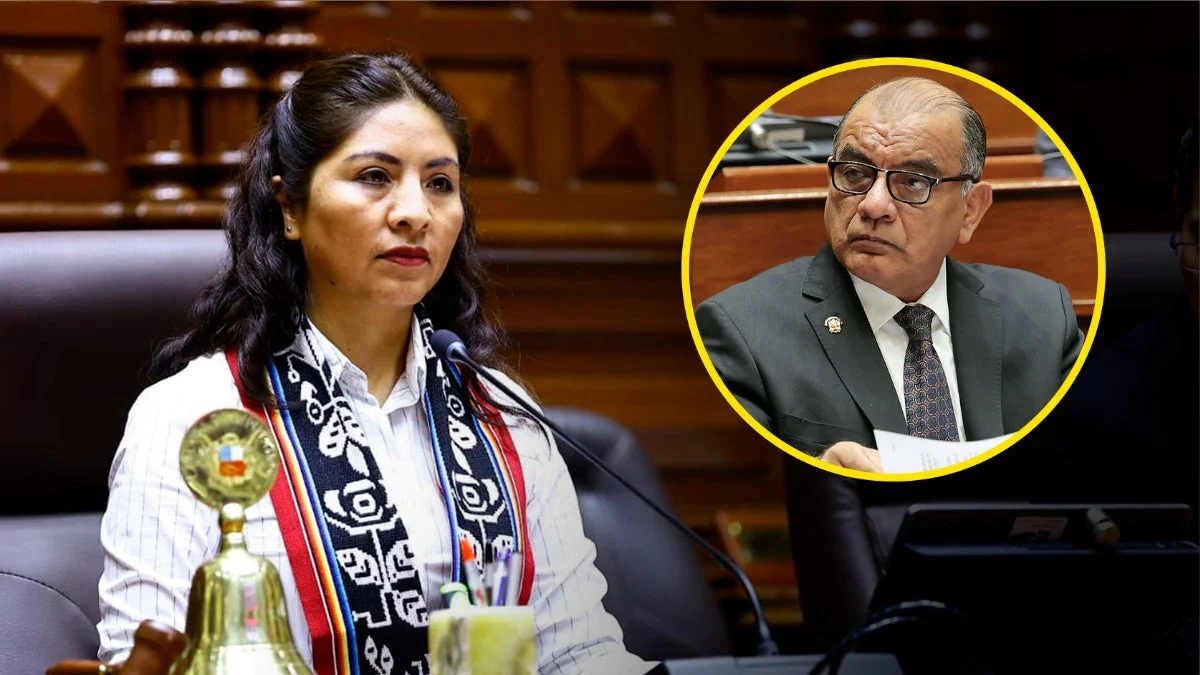
Analí Márquez, the first vice-president of the Chamber of Deputies and a key figure within the JPP, declared on Friday that her office will lead the charge in summoning Minister César Astudillo to answer for the perceived failures of the Ministry of the Interior.
The move comes as the country grapples with a persistent wave of violent crime, kidnappings, and extortion that has severely eroded public confidence in the government’s security apparatus. Márquez, addressing the press, emphasized that the decision was not merely a political maneuver but a desperate necessity. "Peru needs security. Enough with the deaths in our country," she stated, noting that she is confident the wider opposition coalition will rally behind the motion upon the return from the upcoming "representation week."
Márquez’s argument centers on the lack of tangible results. While the government has touted various operational plans, the opposition maintains that these measures have failed to translate into a reduction in the crime rate. By forcing the Minister to appear before the Chamber, the opposition aims to expose the gaps in current strategic planning and demand a radical change in the government’s approach to public order.
Chronology of Legislative Friction
The current legislative crisis is the culmination of several weeks of building tension between the Executive and the Legislative branches.
- Initial Tensions: Since the start of the current legislative session, JPP and other opposition groups have consistently questioned the efficacy of the Ministry of the Interior.
- The "Representation Week" Pretext: The decision to defer the formal filing of the interpellation motion until after the "representation week" serves as a strategic pause. During this time, legislators return to their home districts to gauge constituent sentiment. It is widely expected that the feedback from these districts will only strengthen the opposition’s resolve to pursue the interpellation.
- Astudillo’s Appearance: Only yesterday, Minister Astudillo appeared before the Chamber of Deputies to defend his administration’s record. His speech was marked by an insistence on the necessity of "clear and defined" rules for police leadership, an attempt to preempt the criticism regarding the stability of the PNP command.
- The Zunini Announcement: Following the Minister’s address, Ernesto Zunini, the spokesperson for the JPP, immediately countered by announcing a legislative initiative to strike down the current rules governing the Commander General’s tenure.
The Debate Over the PNP Commander General’s Tenure
A significant portion of the current friction concerns Law 31570, which mandates a two-year tenure for the Commander General of the PNP. Originally intended to provide stability and professionalize the high command, the law is now being viewed by the opposition as a legacy of the previous administration—specifically the Fujimorist bench—that limits the current government’s ability to purge ineffective leadership.
Ernesto Zunini’s stance is categorical: the current structure is a barrier to necessary reform. "This is a norm approved by the Fujimorist bench. It seems the Cabinet did not consult with its own bench before appearing before the plenary," Zunini remarked.
The Executive’s Concession
Interestingly, Minister Astudillo acknowledged during his parliamentary appearance that the Executive branch itself is considering modifications to the law. His rhetoric, however, differs from that of the opposition. Where Zunini sees a need to repeal the law to facilitate immediate change, Astudillo views the two-year tenure as a potential target for refinement to ensure that the police leadership is held accountable to "concrete objectives."
"We cannot be constantly wondering if a leader can or cannot stay," Astudillo stated. "The rules must be clear and defined." He further emphasized that his vision for the Ministry involves a top-down evaluation process, where every officer, from the highest-ranking general to the most recent academy graduate, is subject to performance metrics.
Supporting Data and Political Implications
The decision by the JPP to pursue these actions is underpinned by a broader political calculation. As the governing coalition struggles with low approval ratings, the opposition is attempting to frame the security crisis as a failure of governance rather than a structural problem.
Key Factors Influencing the Opposition
- Public Sentiment: Recent polling data suggests that public safety is the number one concern for the average Peruvian citizen. By challenging the Interior Minister, JPP is effectively capturing the frustration of the electorate.
- Coalition Dynamics: The opposition is attempting to present a unified front. Márquez’s assertion that the "coalition" is acting as a team suggests a strategic effort to consolidate support across different ideological lines within the Chamber of Deputies.
- Institutional Stability: Critics of the opposition’s plan to repeal the two-year tenure argue that frequent changes in police leadership historically lead to political interference and corruption. They contend that the two-year rule is a vital safeguard for the autonomy of the PNP.
Official Responses and Strategic Positioning
The government’s response to the looming interpellation has been one of controlled defiance. Minister Astudillo’s declaration that "everyone is under evaluation" serves as a defensive wall, positioning the Ministry as an entity that is already self-correcting. By admitting that the current rules need adjustment, the Minister is attempting to steal the opposition’s thunder, essentially arguing that the Executive is already on the path to reform, rendering an interpellation unnecessary.
However, for Ernesto Zunini and the JPP, the Minister’s words are insufficient. They argue that the urgency of the criminal situation in Peru demands more than "evaluations"—it demands a total shift in strategy and a willingness to remove those who have failed to secure the streets.
The Path Forward: What to Expect
As the legislature enters the upcoming week, the following developments are anticipated:
1. The Filing of the Motion
Upon the return from the representation week, the formal motion for the interpellation of César Astudillo is expected to be filed. The document will likely contain a list of questions focused on the specific failure to curb the surge in extortion rackets in urban areas.
2. The Legislative Battle over Law 31570
The JPP’s proposed bill to repeal the two-year tenure of the PNP Commander General will trigger a fierce debate. Proponents of the bill will argue for the need for "expeditious" changes in leadership, while opponents—including those within the executive branch who value institutional continuity—will caution against returning to a culture of political volatility within the police force.
3. Public Pressure
The success or failure of these legislative maneuvers will largely depend on the state of public opinion. If the violence continues at the current pace, the pressure on individual deputies to support the interpellation will become overwhelming, potentially forcing even those in the center to join the opposition’s cause.
Conclusion
The intersection of the JPP’s interpellation bid and the proposed repeal of the police command tenure law represents a critical moment for the Peruvian administration. As the lines between security policy and political survival blur, the Ministry of the Interior finds itself in a precarious position. Minister Astudillo must balance the demands of an increasingly assertive legislature with the practical requirements of managing a police force that is, by all accounts, struggling to meet the demands of a volatile security environment.
Whether these actions lead to substantive change or merely deeper political polarization remains to be seen. What is clear, however, is that the era of legislative deference to the Executive is over, and the debate over who controls the security of the nation has officially moved to the center stage of the Chamber of Deputies. The upcoming weeks will prove decisive in determining whether the government can navigate this storm or if it will be forced to undergo a significant cabinet restructuring to appease the growing calls for accountability.