The construction industry, historically perceived as one of the most traditional and manual sectors of the global economy, is undergoing a seismic shift. Driven by the urgent need for decarbonization, the integration of cutting-edge digital technologies, and the increasing complexity of modern infrastructure, the industry is no longer merely about bricks and mortar. It is becoming a high-tech ecosystem where data, precision, and environmental stewardship take center stage.
For engineers, architects, and project managers, this evolution is not just a trend—it is a fundamental restructuring of the professional landscape. As the sector demands a higher level of technical sophistication, postgraduate education and specialized training have transitioned from optional career enhancements to absolute prerequisites for survival and growth in an increasingly competitive global market.
The New Professional Paradigm: Why Traditional Skills Are No Longer Enough
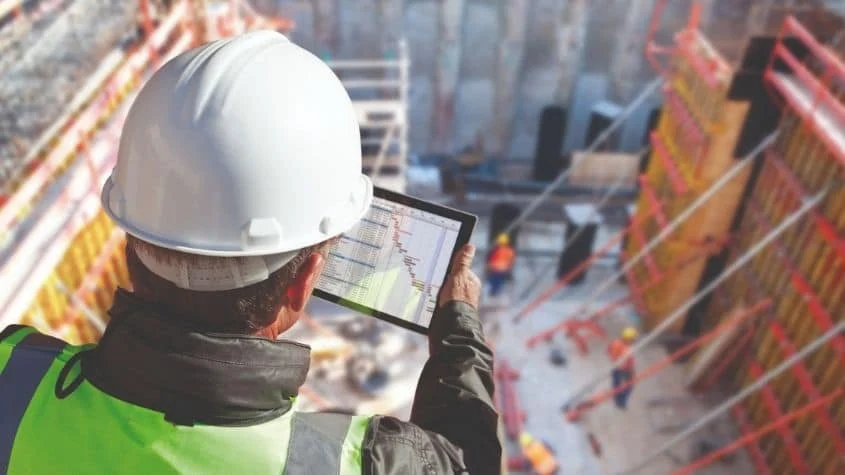
The modern construction site is becoming a digital laboratory. The rise of Building Information Modeling (BIM), the Internet of Things (IoT), and Artificial Intelligence (AI) has rendered traditional project management methods increasingly obsolete. Companies are no longer looking for "generalists"; they are scouting for experts who can bridge the gap between physical construction and digital intelligence.
The current demand is for professionals who possess:
- Digital Fluency: Mastery of BIM, digital twins, and project management software that allows for real-time tracking of site progress.
- Strategic Sustainability: Expertise in circular economy principles, green building certifications (such as LEED or BREEAM), and carbon-footprint reduction strategies.
- Advanced Management Skills: The ability to navigate complex contractual frameworks, manage interdisciplinary teams, and mitigate risks in mega-projects.
Chronology of the Transformation: A Rapid Evolution
The shift toward this new professional profile did not happen overnight. It is the culmination of a decade of technological acceleration.
- 2015–2018: The Digital Awakening. This period saw the initial adoption of BIM software as a standard for large-scale infrastructure projects. During this time, firms began to realize that digital models were not just for design, but for cost estimation and scheduling.
- 2019–2021: The Sustainability Imperative. As global climate targets (such as the Paris Agreement) gained traction, the industry faced pressure to reduce waste and energy consumption. Professionals with specialized knowledge in green building began to command a significant salary premium.
- 2022–2024: The Era of AI and Automation. The post-pandemic surge in construction projects, coupled with labor shortages, pushed firms toward automation. Robotics, 3D printing for modular construction, and AI-driven data analytics for risk management became the new benchmarks.
- 2025–Present: The Integration Phase. We are now in a phase where "specialization" is the standard. Professionals who fail to integrate these tools into their workflows are increasingly being sidelined in favor of digitally-native talent.
Supporting Data: The Education Gap
Market analysis indicates that the gap between traditional academic training and industry requirements is widening. A recent industry survey highlighted that over 65% of construction firms report difficulty finding candidates with the necessary technical proficiency in advanced software and sustainable materials management.

- Productivity Gains: Research shows that projects utilizing AI and advanced digital twins report a 15–20% increase in operational efficiency and a 10% reduction in material waste.
- The Talent Crunch: Demand for "Construction Technologists"—a role that barely existed a decade ago—has grown by 40% in the last three years alone.
- Investment in Upskilling: Leading construction firms have increased their annual budget for employee professional development by an average of 22% since 2020, signaling that the industry prefers to "build from within" rather than rely solely on external hiring.
Official Perspectives: Industry Leaders Weigh In
Industry leaders and educational institutions have been vocal about the necessity of this shift. According to academic advisors in civil engineering faculties, the "static" curriculum of the past is being overhauled.
"We are no longer just teaching structural integrity; we are teaching data-driven project lifecycle management," says a representative from a leading engineering institution. "The industry has moved beyond the drawing board. Our postgraduate programs are now focused on training professionals who can manage the integration of robotics into the workflow and ensure that every project is carbon-neutral by design."
Furthermore, HR directors at top-tier construction conglomerates emphasize that "soft skills," such as agility and technological adaptability, are now weighted equally with technical certifications. "We look for a professional who can troubleshoot a digital model as easily as they can read a site plan," notes a spokesperson from a major international infrastructure firm.
The Implications: What This Means for Your Career
The implications for current and aspiring professionals are clear: the career path is no longer a linear climb but a continuous loop of learning.
1. The Death of the "One-and-Done" Degree
A bachelor’s degree in civil engineering or architecture is now merely the foundation. The "half-life" of professional knowledge is shrinking. If a professional does not engage in continuing education every 24 to 36 months, their skill set becomes effectively obsolete in the face of new software updates and regulatory changes.
2. The Rise of Micro-Credentials
University master’s degrees are still highly valued, but the market is also placing immense value on micro-credentials—short, intensive certifications in specific technologies like 3D concrete printing, blockchain for supply chain management, or advanced data analytics for construction.

3. Increased Competitiveness and Compensation
Professionals who embrace this change are seeing the rewards. Those with specialized skills in digital construction and sustainable project management are consistently placed in the top decile of earners in the sector. Conversely, those who resist the transition are finding their upward mobility limited, as companies prioritize digital literacy in promotion cycles.
Navigating the Future: Steps to Stay Relevant
For those looking to secure their future in the construction sector, the path forward involves three strategic pillars:
- Auditing Your Skills: Conduct an honest assessment of your current technical toolbox. Are you still relying on manual estimation methods? Is your knowledge of BIM limited to basic viewing?
- Targeted Upskilling: Identify the specific niche you wish to occupy—whether it is sustainability, digital management, or modular construction—and seek out accredited postgraduate programs or certifications.
- Network and Collaborate: The complexity of modern projects means no one works in a silo. Join industry bodies, attend technology-focused construction summits, and collaborate with professionals from IT and environmental sectors.
Conclusion
The construction industry is at a crossroads. The pressures of global urbanization, the climate crisis, and the digital revolution are creating a new, more demanding, and more rewarding professional landscape. While the shift requires significant personal and professional investment, the opportunities for those who adapt are unparalleled.
The buildings of tomorrow will be smarter, greener, and more efficient, but they will only be as good as the professionals who design and construct them. As the industry evolves, the most valuable asset any engineer or architect can possess is the willingness to remain a student of their craft, forever refining their skills to meet the challenges of an ever-changing world.
For those ready to take the next step, the resources are available—from industry-specific newsletters to comprehensive postgraduate programs. The question is no longer if you should upgrade your skills, but how quickly you can do so to stay ahead of the curve.