Panama has embarked on an ambitious journey to modernize its national road network, addressing decades of deferred maintenance through a targeted, high-impact initiative known as the "Tapahueco" (Patch the Hole) program. Under the leadership of the Ministry of Public Works (MOP), the government has successfully mobilized significant resources to restore critical transit routes, aiming to bridge the gap between isolated rural communities and the national economy.
With over 400 kilometers of roads already rehabilitated and a direct positive impact on more than one million citizens, this program represents one of the most significant infrastructure interventions in the country’s recent history. As the nation pivots toward a more integrated transport model, the focus remains on safety, connectivity, and the long-term sustainability of the country’s logistical backbone.
The Strategic Scope of the "Tapahueco" Program
The "Tapahueco" initiative is not merely a reactive maintenance plan; it is a strategic effort to reclaim the integrity of Panama’s terrestrial infrastructure. By targeting high-traffic arteries and neglected rural connectors alike, the government has managed to execute 15 comprehensive interventions across the national territory.
Key Financial Commitments
Minister of Public Works, José Luis Andrade, recently disclosed that the government has allocated approximately B/.45 million (Panamanian balboas, pegged at parity with the U.S. dollar) to these efforts. This budget, which averages roughly $3 million per localized project, has been deployed with surgical precision to maximize reach.
The geographic distribution of these funds spans the breadth of the nation, covering essential provinces including Chiriquí, Veraguas, Herrera, Los Santos, Coclé, Panamá Oeste, Panamá Este, and Colón. By focusing on these regions, the MOP has effectively addressed "bottlenecks" of development—areas where infrastructure failure had previously stifled agricultural productivity and local commerce for nearly two decades.

Chronology of Infrastructure Restoration
The current success of the "Tapahueco" program is the result of a two-year intensive campaign to reverse the degradation of the national road grid.
Phase I: The Immediate Response (2024)
The initial phase of the intervention prioritized high-risk areas identified by municipal leaders and citizen reports. The primary objective was to ensure the safety of heavy-duty transit and emergency services. During this period, the MOP focused on immediate patching and base stabilization, establishing a foundational success rate that allowed for the subsequent scaling of the program.
Phase II: Structural Maintenance (2025)
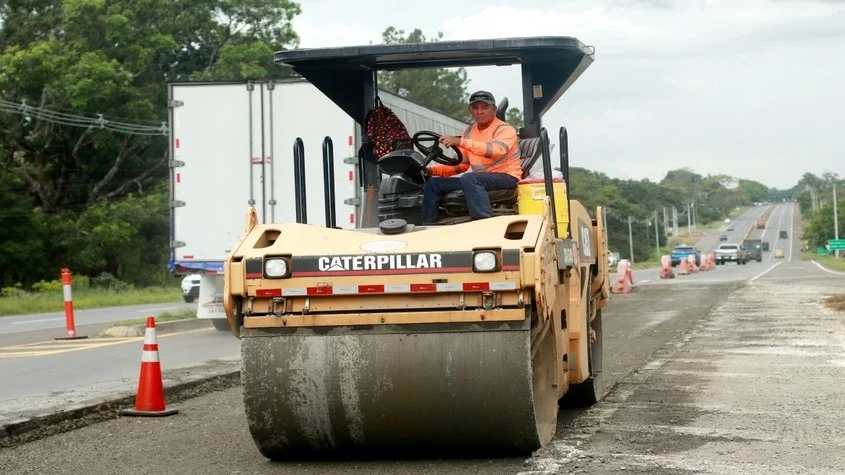
Building on the initial emergency responses, the MOP transitioned into a phase of structural reinforcement. This period saw the deployment of advanced asphalt-laying machinery and the implementation of higher-quality materials designed to withstand Panama’s tropical climate—notorious for causing rapid road surface deterioration.
Phase III: Integration and Expansion (2026 – Present)
Currently, the program has evolved into a permanent maintenance architecture. The ministry has shifted from reactive "bacheo" (patching) to a preventative model, utilizing a cumulative total of 27,000 tons of asphalt over the last 24 months. This systematic approach ensures that newly repaired sections do not fall back into disrepair, creating a sustainable cycle of maintenance that the ministry intends to institutionalize.
Supporting Data: By the Numbers
To understand the magnitude of the government’s efforts, one must look at the quantitative data provided by the Ministry of Public Works. The metrics provided reflect both the scale of the physical work and the depth of the social impact:

- Total Road Coverage: 400 kilometers of primary and secondary road networks restored.
- Budget Allocation: B/.45 million invested in direct infrastructure rehabilitation.
- Asphalt Volume: 27,000 tons of high-grade asphalt laid in the past two years to ensure durability.
- Beneficiary Reach: Over 1,000,000 citizens directly impacted through improved transit times and reduced vehicle maintenance costs.
- Regional Diversity: Interventions conducted across 8 major provinces, ensuring that infrastructure equity is not concentrated solely in urban hubs like Panama City.
These figures illustrate a departure from previous administrative cycles, where infrastructure spending was often criticized for being overly centralized or fragmented. The "Tapahueco" model emphasizes a standardized approach to quality, ensuring that a road in the interior of the country receives the same rigorous attention as those in the capital.
Official Responses and Administrative Vision
Minister José Luis Andrade has been a vocal advocate for the long-term planning of these works. During his latest briefing, he emphasized that the MOP is moving beyond the "patching" mentality, viewing these 15 interventions as the groundwork for a broader economic revitalization.
"We are not just filling holes; we are connecting lives," Minister Andrade stated. He highlighted that many of the communities receiving upgrades had been petitioning the state for improvements for over 20 years. For these citizens, the road network is the primary conduit for healthcare, education, and the transport of agricultural goods to market.
Furthermore, the MOP has emphasized transparency in the bidding and execution processes. By breaking down the $45 million investment into distinct, localized projects, the ministry has enabled local contractors to participate in the works, thereby stimulating regional economies and ensuring that the labor force involved is familiar with the terrain and the specific climatic challenges of their respective regions.
Implications for Economic Growth and Tourism
The impact of these infrastructure works extends far beyond the immediate benefit of smoother roads. Panama is currently managing 22 additional projects specifically designed to bolster the national tourism sector. This indicates that the government views the road network as a critical asset in its broader goal of economic diversification.

The Tourism-Infrastructure Nexus
Infrastructure acts as the "first impression" for international visitors. By prioritizing the rehabilitation of routes to key tourist destinations, the MOP is facilitating easier access for both domestic and international travelers. Key projects currently under execution or in advanced planning stages include:
- Valle de Antón Highway: A critical artery for ecological tourism that is receiving a comprehensive facelift to improve safety and travel experience.
- The Pan-American Highway (Punta Chame and Gorgona): Enhancing the accessibility of Panama’s world-class beach destinations.
- The Caribbean Corridor (Colón): A vital route for the logistics and cruise ship tourism sectors.
- The "Ruta del Café" (Coffee Route): Strengthening infrastructure in the highlands of Chiriquí, specifically targeting the tourist hubs of Boquete and David, which are central to the nation’s premium coffee tourism industry.
Long-term Economic Stability
The implications of these investments are profound. Improved roads decrease the wear and tear on commercial fleets, reduce fuel consumption, and lower the time-cost of moving goods across the country. In the agricultural sector—the backbone of many of the provinces where these works are occurring—the ability to transport perishable goods quickly to the capital is the difference between profit and loss for local farmers.
By systematically addressing these needs, the current administration is laying the groundwork for a more resilient economy that can withstand global market fluctuations by strengthening its domestic logistical efficiency.
Conclusion: A Road Toward the Future
The "Tapahueco" program, supported by the broader initiatives of the Ministry of Public Works, stands as a testament to the importance of proactive government intervention in public infrastructure. By combining financial discipline with a clear vision for national connectivity, Panama is successfully transforming its road network into a tool for social and economic inclusion.
As the country moves forward, the focus will likely remain on the maintenance of these 400 kilometers while continuing the 22 major projects currently underway. With a commitment to quality and a clear understanding of the needs of its citizens, the government of Panama is ensuring that its infrastructure is not only "rehabilitated" but also ready to support the demands of the 21st-century economy. The road ahead, literally and figuratively, looks significantly clearer for the people of Panama.