Executive Summary: A New Horizon for Academic Excellence in the Andes
The educational landscape of the Apurímac region is on the cusp of a significant transformation. The Ministry of Education (Minedu) has officially announced that the technical file for the new Colegio de Alto Rendimiento (COAR) in Apurímac has reached an 80% completion rate. This critical phase of the project, which involves the detailed planning and engineering required to translate pedagogical vision into architectural reality, is slated for final approval by December of this year.
Once the technical dossier receives the green light, the project will immediately transition into the execution phase, paving the way for the construction of a state-of-the-art educational complex. This initiative represents a pivotal investment in the youth of the region, promising to provide top-tier academic facilities for the most talented students in the area.
Main Facts: The Path Toward Infrastructure Modernization
The announcement was spearheaded by Alberto Marquina Pozo, the General Director of the General Directorate of Educational Infrastructure (DIGEIE) at Minedu. During a high-level coordination meeting held in the district of Chalhuanca, in the province of Aymaraes, Marquina Pozo detailed the rigorous timeline currently governing the project.
Key takeaways regarding the status of the development include:
- Progress Benchmark: The technical documentation, which serves as the blueprint for the entire construction process, is currently at 80% completion.
- Approval Deadline: The final technical approval is scheduled for December 2026, marking the end of the planning phase and the start of construction bidding and mobilization.
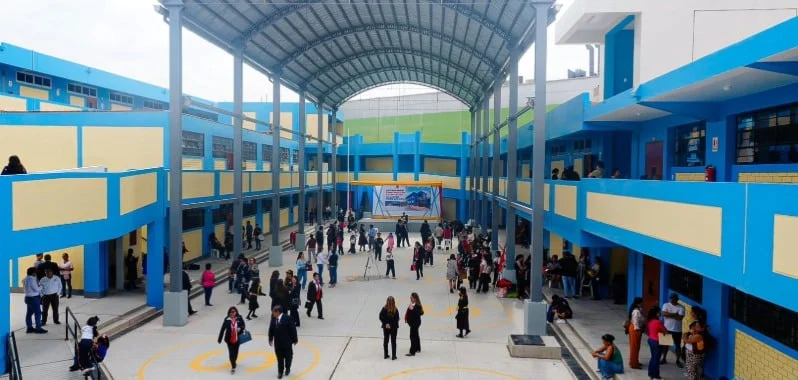
- Project Scope: The new infrastructure is designed to be more than just classrooms; it is envisioned as a holistic environment that includes modern laboratories, residential zones, sustainable energy systems, and high-tech athletic facilities.
- Strategic Location: The facility is being strategically developed in Chalhuanca, ensuring that the COAR remains accessible to high-performing students across the diverse and challenging geography of the Apurímac region.
Chronology: From Concept to Concrete
The journey toward a new COAR facility in Apurímac has been a multi-year effort involving inter-governmental coordination and extensive stakeholder engagement.

- Initial Feasibility Studies: Following the selection of the region for a specialized COAR facility, engineers and architects conducted site assessments to ensure the terrain could support high-density, modern infrastructure.
- Engagement and Planning: Throughout the early stages, Minedu engaged with local authorities to align the educational design with the specific socio-cultural context of the Apurímac highlands.
- The Technical File Phase: This phase, currently nearing completion, has involved the integration of structural, mechanical, and electrical engineering, as well as environmental impact assessments to ensure the school meets modern sustainability standards.
- The Current Status: The project is currently in the "pre-execution" stage, where final adjustments are being made to the budget and technical specifications to ensure that the actual construction phase remains free of delays once it begins in 2027.
Supporting Data: Why This Facility Matters
The COAR system in Peru is designed to serve high-achieving students from public schools who demonstrate exceptional academic performance. These students are often drawn from rural and vulnerable populations, making the infrastructure of these schools a vital component of social mobility.
The Impact of Modern Infrastructure
Research into educational outcomes consistently shows that physical environments significantly impact learning. The new COAR Apurímac is being designed with the following pillars:
- Sustainability: Utilizing materials and designs that are energy-efficient and adapted to the high-altitude climate of the Andean region.
- Safety: Seismic-resistant design is a non-negotiable requirement for all new educational infrastructure in Peru, particularly given the region’s geographical characteristics.
- Technology-Ready: The facility will feature advanced connectivity, enabling students to access digital libraries, virtual simulations, and modern research tools that are often unavailable in standard public school environments.
Official Responses and Political Oversight
The recent meeting in Chalhuanca, which served as the platform for the progress update, was a manifestation of the ongoing collaboration between the executive branch and the legislature.
The Role of Congressional Representation
The meeting was convened by Senator Calisto Giampietri during a designated "Representation Week," a period during which Peruvian legislators return to their home regions to audit progress on public works and hear the concerns of local citizens. By facilitating a face-to-face dialogue between Minedu officials and local stakeholders, the Senator’s office ensured that the project remains under public scrutiny and that potential bureaucratic hurdles are addressed in real-time.
Minedu’s Commitment
Alberto Marquina Pozo emphasized that the DIGEIE is working under a strict schedule to ensure that the project does not fall behind. "Our commitment is not just to build a school, but to provide a legacy of excellence for the youth of Apurímac," noted Marquina Pozo. The Ministry recognizes that as the technical file nears its final form, the focus must shift to ensuring that the subsequent construction phase—often the most vulnerable to delays—is managed with maximum transparency and operational efficiency.

Implications: The Long-Term Vision for Apurímac
The completion of the COAR Apurímac facility is expected to have a multiplier effect on the region’s development.
Socio-Economic Uplift
By centralizing high-performing students in an environment that fosters intellectual growth, the region is essentially investing in its future leadership. Graduates of the COAR program are historically more likely to access top-tier university programs and secure positions that contribute to the regional economy.
Bridging the Educational Gap
There has long been a disparity in educational resources between the coastal metropolitan areas and the Andean highlands. The construction of this facility is a deliberate move to bridge that gap. By providing the same (if not better) infrastructure as the capital, the government is signaling that geography should not be a barrier to academic or professional success.
Regional Pride and Empowerment
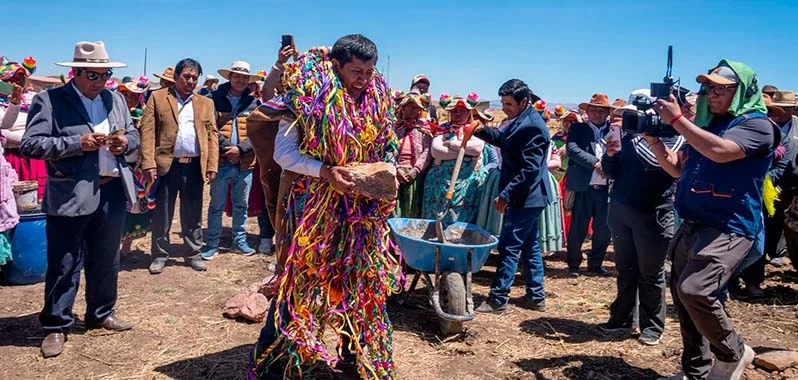
During the site visit conducted by the DIGEIE team, local authorities and community leaders expressed their support for the project. The visit to the designated construction site allowed for a physical verification of the scale of the work, reinforcing the community’s belief that the promise of a world-class school is becoming a reality.
Conclusion: A Milestone for Future Generations
As 2026 draws to a close, the focus for the Apurímac region is clear: the final 20% of the technical dossier. The progress reported by the Ministry of Education is a testament to the dedication of the technical teams and the political will to prioritize education.

With the blueprints near completion and the infrastructure design optimized for the needs of the 21st-century learner, the COAR Apurímac project stands as a beacon of progress. It is a promise to the students of the region that their potential is valued, their environment will be conducive to their success, and their education remains a top priority for the nation. As the project moves into the final months of planning, all eyes will remain on the Ministry of Education to ensure that the transition to the execution phase is as seamless and effective as the planning phase has been to date.
The successful delivery of this school will not only change the lives of the students who walk through its doors but will also serve as a blueprint for future infrastructure projects across the Andean highlands, proving that with careful planning, modern engineering, and sustained political commitment, the quality of education in rural Peru can reach heights once thought unattainable.