Lima, Peru – As the specter of the potent El Niño phenomenon once again hovers over Peru, a significant portion of the nation’s industrial sector is expressing grave concerns about its potential impact on operations, supply chains, and overall economic stability. A recent comprehensive survey conducted by the Institute of Economic and Social Studies (IEES) of the National Society of Industries (SNI) reveals a widespread apprehension among business leaders, highlighting the critical need for proactive measures from both the private and public sectors.
The findings paint a stark picture: a substantial 60% of surveyed industrial entrepreneurs believe their companies are vulnerable to disruptions caused by El Niño, particularly concerning the potential for damaged or impassable transportation infrastructure such as roads, bridges, and other critical transit routes. This statistic underscores a fundamental vulnerability within Peru’s logistical network, a backbone for any industrial economy.
Beyond infrastructure, the survey delves deeper into the perceived threats. A considerable 44% of industrialists foresee negative repercussions on the activities across their entire value chains. This suggests a ripple effect, where disruptions at one stage can cascade and impact multiple facets of production and distribution. Furthermore, 41% of respondents identified the direct threats posed by floods, mudslides (huaicos), and other extreme climatic events intrinsically linked to El Niño as a significant source of anxiety. These natural disasters, historically recurrent during El Niño years, pose direct physical risks to industrial facilities and their surrounding environments.
The Multifaceted Impacts on Industrial Operations
The IEES survey meticulously outlines the specific operational challenges anticipated by the industrial sector. At the forefront, a significant 55% of business leaders pinpoint potential disruptions in the supply of raw materials and essential inputs as a primary concern. For industries reliant on consistent access to these foundational elements, any interruption can lead to costly downtime and production halts.
Complementing this, a closely related concern emerges: 52% of industrialists are anticipating delays or difficulties in the delivery and distribution of their finished products. This not only affects revenue streams but also impacts customer satisfaction and market competitiveness. The interconnectedness of global and national supply chains means that even localized disruptions can have far-reaching consequences.
Perhaps the most alarming operational impact identified is the potential for partial or even complete interruption of industrial activities. A significant 28% of respondents expressed this concern, a clear indicator of the systemic risks that extreme weather events pose to the continuity of production. This highlights the precarious balance between industrial output and environmental volatility, a balance that El Niño has historically tested.
Economic Repercussions: Rising Costs and Reduced Output
The anticipated operational challenges translate directly into significant economic concerns for Peruvian industries. The survey reveals that a majority, 51%, of entrepreneurs foresee an increase in transportation and logistics costs. This includes not only domestic land transportation but also the potentially volatile international freight charges, which are often susceptible to global weather patterns and disruptions.
The impact on production costs is also a major worry. A substantial 40% of respondents anticipate a rise in the costs associated with essential production elements such as raw materials, energy, water, and fuel. These rising input costs can erode profit margins and force companies to absorb these increases, potentially passing them onto consumers, or, in a worst-case scenario, curtailing production.
Indeed, a tangible consequence of these rising costs and potential supply chain issues is the projected reduction in production levels. 35% of industrialists are anticipating a decrease in their output, a clear signal of the economic contraction that El Niño could precipitate within the sector. This reduction in industrial activity can have broader implications for employment and national economic growth.
Proactive Measures: Industries Fortify Their Defenses
In recognition of the impending threats, a notable number of Peruvian industrial companies are not passively awaiting the impact of El Niño. Instead, they are actively implementing a range of preventive measures to bolster their resilience. The survey indicates a proactive approach to inventory management, with 40% of entrepreneurs planning to increase their stock of strategic inputs and raw materials. This buffer aims to mitigate the immediate effects of supply chain disruptions.
Furthermore, physical preparedness is a key focus. 39% of businesses are undertaking preventive maintenance on their facilities, including reinforcing roofs, improving drainage systems, and securing warehouses. These actions are designed to protect infrastructure from the direct onslaught of extreme weather events.
Beyond physical and logistical preparations, strategic planning is also gaining traction. 26% of companies are in the process of developing or updating their business continuity plans. This crucial step ensures that companies have robust protocols in place to maintain essential operations even in the face of significant disruption. Additionally, 23% are actively seeking to diversify their supplier base and identify alternative sources for raw materials and inputs, thereby reducing their reliance on any single provider and mitigating the risk of widespread shortages.
Government Action: The Urgent Call for Infrastructure Investment
While the private sector is taking steps to protect itself, the survey strongly emphasizes the critical role of government intervention in mitigating the broader economic and social impacts of El Niño. The industrial sector has clearly articulated its priorities for government action, with a resounding 68% of industrialists identifying the preventive maintenance of roads, bridges, and critical transportation arteries as a paramount concern. Investing in and maintaining this vital infrastructure is seen as the most effective way to prevent widespread supply chain paralysis.
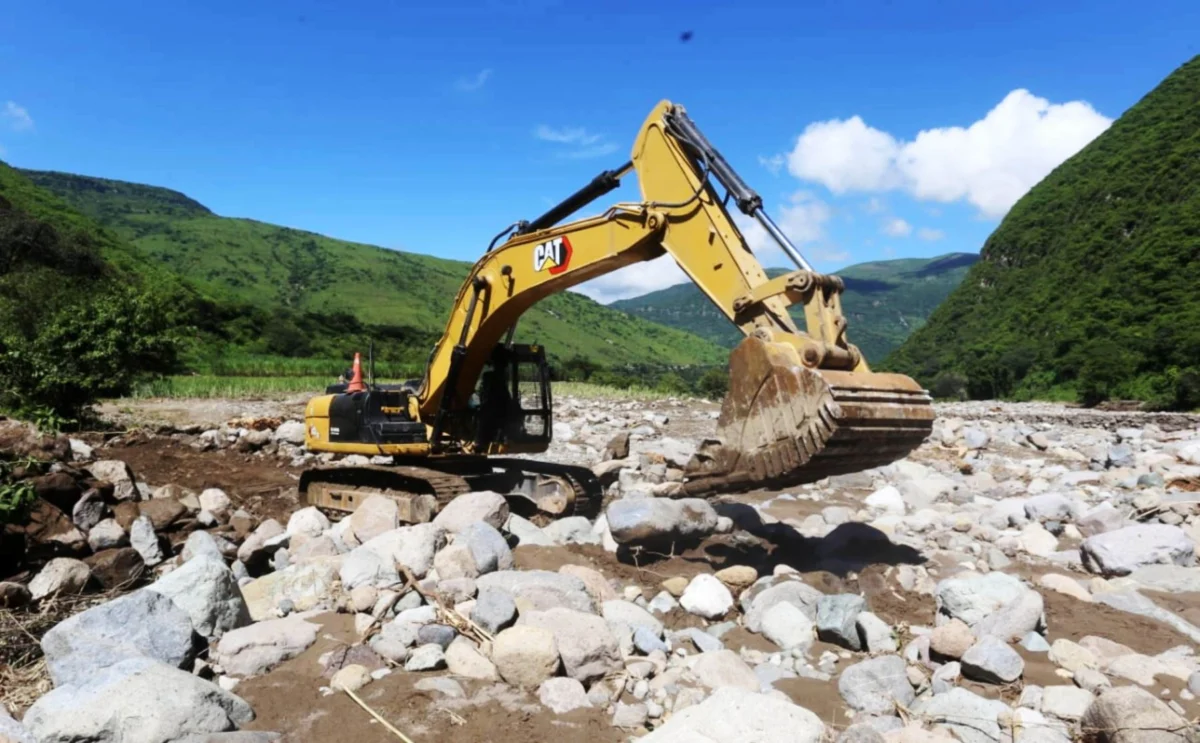
Equally urgent, according to 66% of respondents, is the immediate need for the cleaning and desilting of rivers, streams, and drainage systems. This crucial measure aims to prevent the catastrophic flooding and mudslides that have historically plagued Peru during El Niño events, safeguarding both industrial assets and communities.
These government-led initiatives are viewed as essential not only for protecting industrial operations but also for ensuring the overall continuity of economic activities. By investing in robust infrastructure and effective disaster prevention, the government can significantly reduce the risks associated with climate emergencies and provide a more stable environment for businesses to operate and thrive.
Survey Demographics and Scope
The insights presented in this article are drawn from the Industrial Opinion Survey (EOI), a comprehensive study that engaged 179 industrial entrepreneurs from across Peru. The survey encompassed a diverse range of sectors, including metalworking, food processing, plastics and rubber, textiles and apparel, chemicals, fishing products, IT products, beverages, non-metallic minerals, wood and its products, pharmaceuticals, and printing activities, among others. This broad representation ensures a holistic view of the industrial landscape’s vulnerabilities.
The survey also captured the scale of the businesses involved. Of the total respondents, 50% represented large enterprises, 30% were micro and small enterprises (MSMEs), and 20% were medium-sized businesses. This diverse mix of company sizes provides a nuanced understanding of how El Niño’s potential impacts are perceived and managed across the spectrum of the Peruvian industrial economy. The findings serve as a critical call to action, urging immediate and concerted efforts to build resilience against the formidable challenges posed by the impending El Niño phenomenon.