Introduction: A Fragile Beginning
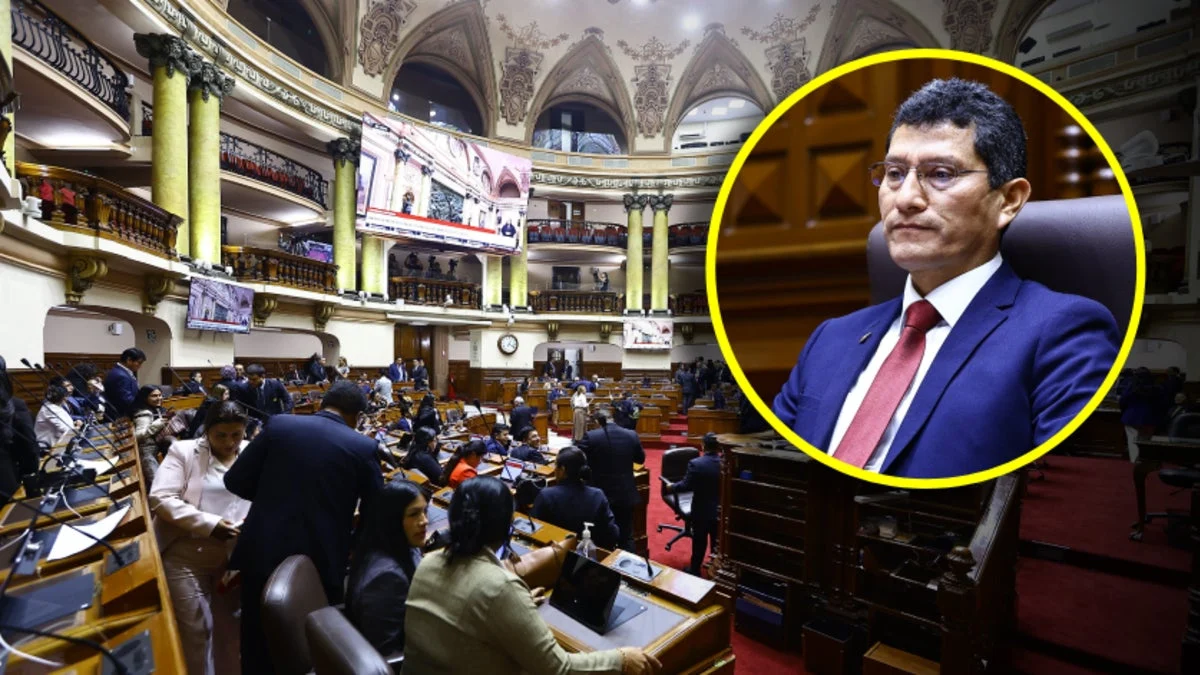
The legislative landscape in the nation’s capital faced an unexpected hurdle this week as the newly installed Ethics Commission of the Chamber of Deputies failed to complete its inaugural proceedings. What was intended to be a routine organizational meeting held in the Fabiola Salazar Leguía Hall of the Víctor Raúl Haya de la Torre building quickly descended into political theater, underscored by the legal complications surrounding one of its most controversial new members, Congressman Harvey Colchado.
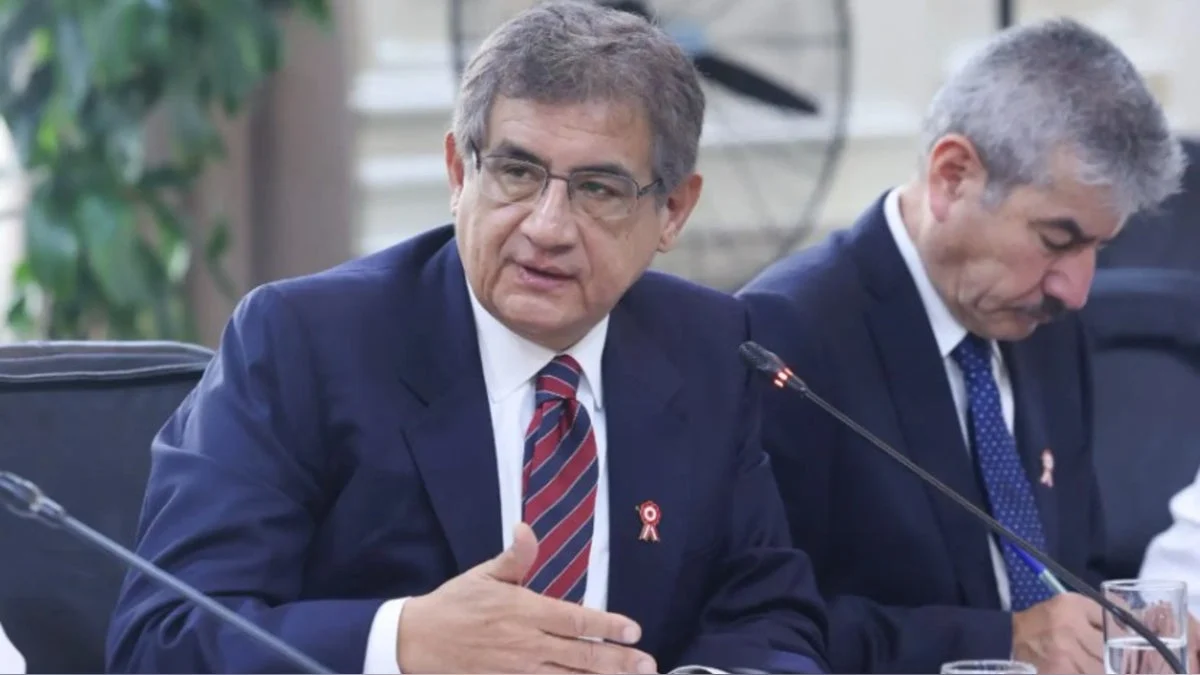
The session, chaired by Javier Cipriani of the Renovación Popular party, served as the formal installation of the commission. However, the atmosphere was thick with tension, driven by the presence of Colchado—the former head of the elite police unit DIVIAC—who is currently facing a fiscal accusation for alleged crimes of generic falsehood and incompatible negotiation.
Chronology of the Session
The meeting, which began on Monday, was intended to proceed with the election of the committee’s leadership—specifically the president, vice president, and secretary. Under the guidelines stipulated by Cipriani, the selection was to follow a "closed list and nominal vote" format.
However, the proceedings were brought to an abrupt halt shortly after the session commenced. The interruption was precipitated by Congressman Colchado’s unexpected move to place his tenure on the committee at the disposal of his colleagues. Following this declaration, the session was suspended, with a reconvening date set for Tuesday at 11:00 AM.
The delay, while brief, has highlighted the deep-seated divisions within the parliamentary group and raised questions about the operational stability of a committee tasked with holding fellow lawmakers to account.
The Legal Context: Colchado’s Defense
At the heart of the controversy is the legal status of Harvey Colchado. The former police commander, who transitioned into politics following a high-profile career, finds himself under the scrutiny of the Public Ministry. The fiscal request for a prison sentence against him has sent shockwaves through his party, Ahora Nación, and the broader Congress.
During the meeting, Colchado addressed the assembly directly regarding the regulations governing his position. He cited Article 24, numeral D, of the Congressional Regulations, arguing that a pending accusation does not legally bar a deputy from serving on the Ethics Commission.
"There is an accusation requirement reaching a criminal court," Colchado stated. "However, for the sake of working in a tranquil environment and maintaining a positive climate, I am putting my appointment at the disposal of the plenary, so that it is you who decide my continuity as a member of this commission."
This move was not entirely unanticipated. In a prior interview with RPP, Colchado had signaled his intention to seek a vote of confidence from his peers, stating, "If they agree that I continue… then I will stay. But it depends on them, the plenary of the Ethics Commission."
Official Responses and Political Fallout
The reaction from the committee’s interim coordinator, Javier Cipriani, was swift and biting. Following the suspension of the session, Cipriani did not mince words when speaking to the press, directly blaming Colchado for the failure to elect the committee’s leadership.
"What he has done has prevented us from having a list," Cipriani remarked. "One must have patience, but they are delegitimizing themselves. They feel fragile. There should have been a closed list, and there should have been a board elected today."
Cipriani’s critique extended beyond the technical delay, veering into the personal. "What he likes are the cameras," the Renovación Popular deputy claimed. "I don’t like them as much, but he loves them. In my view, his party should simply replace Harvey Colchado."
This public spat underscores a broader lack of consensus within the legislative body. With the Junta de Portavoces (Board of Spokespersons) scheduled to meet to address the impasse, the fate of the Ethics Commission—and the individuals serving on it—remains in flux.
Implications for Congressional Ethics
The current situation poses a significant challenge to the credibility of the Ethics Commission. As the body responsible for investigating and sanctioning members for ethical breaches, the commission itself must operate under a shroud of absolute integrity. When one of its own members is facing criminal accusations, the moral authority of the entire body is challenged.
1. Institutional Credibility
The public, already wary of political corruption, looks to the Ethics Commission as a mechanism for self-policing. If the committee becomes paralyzed by internal squabbles or perceived conflicts of interest, its ability to act as a check on legislative power is severely diminished.
2. The Legal vs. Political Conflict
Colchado’s situation highlights a recurring theme in modern politics: the intersection of legal battles and political mandates. While the regulation technically permits his participation, the political reality is that his presence creates a distraction that prevents the committee from addressing its primary duties. The "persecution" argument raised by Colchado—that his legal troubles are politically motivated—is a defense tactic that may resonate with his supporters but complicates the legislative process.
3. Procedural Bottlenecks
The incident at the Fabiola Salazar Leguía Hall serves as a warning regarding the procedural vulnerabilities of the Congress. By allowing the committee’s leadership election to be dependent on a single individual’s status, the current structure risks repeated delays. The push to resolve the impasse at the upcoming Junta de Portavoces suggests that leadership is seeking a top-down solution to ensure the commission becomes operational immediately.
Moving Forward: Transparency and Accountability
The commission has made it clear that despite the delay, they are ready to accept formal complaints. As Cipriani noted, "As the commission is enabled, we are at the disposal for any claim, anything they want to do." However, the ability of the commission to process such claims is contingent on the formation of a stable, functional leadership.
The upcoming session on Tuesday will be a litmus test for the legislative body. The committee members must decide whether they will ratify Colchado’s membership, forcing them to own the political baggage that comes with it, or whether they will move to replace him, thereby prioritizing the commission’s perceived neutrality over party loyalty.
Conclusion: A Test of Legislative Maturity
The events of the past 48 hours have revealed the inherent fragility of the Ethics Commission. The transition from a legal accusation to a parliamentary impasse highlights the difficulty of separating personal legal challenges from the performance of public duties.
For the citizens watching these events unfold, the message is one of uncertainty. Whether the Congress can move past this moment of internal friction to address the substantive ethical challenges facing the nation remains to be seen. The resolution of this matter in the coming days will serve as a bellwether for the rest of the legislative term, signaling whether the Congress is committed to a culture of accountability or destined for continued paralysis.
As the Board of Spokespersons prepares to intervene, all eyes remain on the chamber, waiting to see if the Ethics Commission can move past the shadow of its own members and fulfill its constitutional mandate.