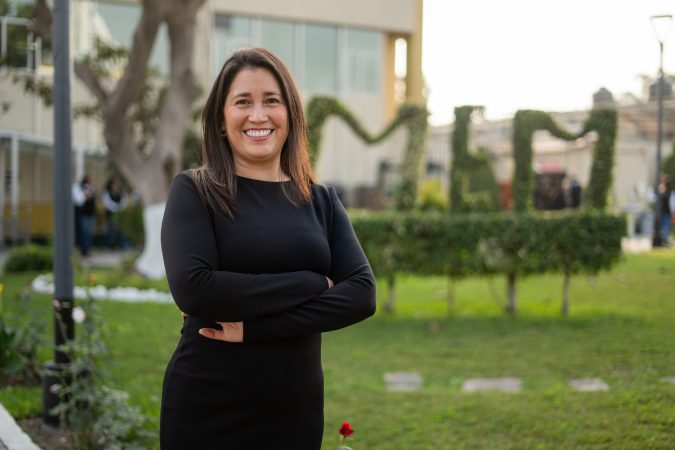
In a move aimed at consolidating the regulatory framework and fostering sustainable growth within Peru’s pivotal extractive sector, the Executive Branch has officially appointed Mayra Figueroa Valderrama as the new Vice Minister of Mines. The appointment, formalized through Supreme Resolution No. 035-2026-EM and published in the official gazette El Peruano on August 9, 2026, marks a significant return for a professional who has spent the better part of the last decade navigating the complex intersection of law, public management, and mining policy.
The return of Figueroa to the Ministry of Energy and Mines (MINEM) is being viewed by industry analysts as a stabilizing measure. At a time when the Peruvian mining sector faces the dual challenges of global price volatility and the urgent need to address social conflicts, the appointment of an experienced hand—someone well-versed in both the technical and social dimensions of mining—is considered a calculated strategic decision by the current administration.
The Core Mandate: Leading the Engine of the Peruvian Economy
The Viceministry of Mines serves as the backbone of the Ministry of Energy and Mines. It is not merely a bureaucratic office; it is the engine room responsible for the formulation, execution, and oversight of policies that govern the nation’s most lucrative industry. As the world transitions toward a green energy economy, the demand for copper, lithium, and other critical minerals—resources in which Peru holds a competitive global advantage—has never been higher.
Under the leadership of the Vice Minister, the office is tasked with:
- Investment Promotion: Creating a predictable legal and fiscal environment to attract Foreign Direct Investment (FDI) into large-scale mining projects.
- Formalization: Overseeing the complex transition of small-scale and artisanal miners into the formal economy, a task that remains one of the most difficult hurdles in the sector.
- Conflict Resolution: Implementing proactive mechanisms to mitigate social unrest and facilitate dialogue between mining companies, local communities, and the state.
- Environmental Stewardship: Ensuring that mining operations comply with stringent sustainability standards, balancing economic output with environmental protection.
Professional Profile: A Career Built on Public Service
Mayra Figueroa Valderrama brings to the table a robust academic and professional background that blends legal expertise with a pragmatic understanding of public policy. A graduate in law from the University of San Martín de Porres, she has complemented her legal foundation with a Master’s degree in Public Management from the EUCIM Business School. This combination of skills is essential for navigating the legislative intricacies of the mining sector while maintaining the efficiency required for modern government administration.
Her previous roles within the MINEM have provided her with a comprehensive understanding of the ministry’s internal architecture. Between 2025 and April 2026, she served as the Director of Sustainability and Mining Articulation. During this tenure, she was the driving force behind the "Mining Integration and Sustainable Development Workshop." This initiative was lauded for its focus on decentralizing information, effectively moving the conversation from the capital, Lima, to the mining regions, thereby promoting a culture of transparency that is essential for building public trust.
Chronology of Service: A Trajectory of Increasing Responsibility
To understand the weight of Figueroa’s new appointment, one must examine the progression of her career within the public sector:

- 2024–2025: Director General of Mining Formalization. This was perhaps her most challenging role to date. Formalization is a sensitive and volatile process. During this period, Figueroa was tasked with the social, legal, and technical "socialization" of proposed regulations aimed at transforming informal artisanal mining into sustainable, tax-paying, and safe productive units. Her ability to navigate the resistance often associated with formalization efforts established her reputation as a mediator.
- 2025–April 2026: Director of Sustainability and Mining Articulation. Her focus shifted from the legalities of formalization to the broader issues of social licensing and industry-community relations. Her work in this office prioritized the "articulación" (articulation) of state, corporate, and social interests.
- August 2026: Appointment as Vice Minister of Mines. Following a brief hiatus, her return to the ministerial level signals a desire by the Executive to leverage her institutional memory and established relationships with stakeholders across the mining value chain.
Supporting Data: The Mining Context of 2026
The mining sector currently accounts for a significant portion of Peru’s Gross Domestic Product (GDP) and is the primary driver of the country’s export revenue. According to recent data from the Central Reserve Bank of Peru, the mining industry has demonstrated resilience despite the geopolitical pressures of the mid-2020s.
However, the sector faces a "productivity gap." While large-scale mining projects continue to yield high returns, the informal sector remains a persistent issue, contributing to environmental degradation and lost tax revenue. Figueroa’s specific experience in the Directorate General of Mining Formalization will be a critical asset in bridging this gap. Her challenge will be to accelerate the "formalization pipeline"—the process by which miners move from temporary permits to definitive, sustainable operations.
Furthermore, the "social license to operate" remains the most significant risk factor for mining companies. With hundreds of ongoing social conflicts recorded annually by the Ombudsman’s Office (Defensoría del Pueblo), the Ministry’s ability to act as a neutral arbiter is paramount. Figueroa’s previous success with the Mining Integration and Sustainable Development Workshop serves as a blueprint for the type of grassroots engagement she is expected to scale up as Vice Minister.
Official Responses and Industry Sentiment
The announcement has been met with measured optimism from both the private sector and civil society organizations.
A spokesperson for the National Society of Mining, Petroleum, and Energy (SNMPE) noted that "the return of a professional who understands the institutional challenges of the MINEM is a positive sign for market certainty." The industry, which has been seeking greater clarity on regulatory timelines and environmental permitting, views Figueroa as a familiar partner who understands the necessity of operational continuity.
Conversely, representatives from regional mining associations have expressed that they expect a "more human-centric approach" to policy. Having worked with Figueroa during her time as Director of Sustainability, many local leaders have noted her willingness to listen to the grievances of smaller mining clusters, suggesting that her tenure may mark a shift toward more inclusive policymaking.
Strategic Implications: What to Expect
As Vice Minister, Mayra Figueroa Valderrama faces three immediate priorities that will define her tenure:
1. The Decentralization of Mining Policy
The central government in Lima is often perceived as disconnected from the realities of the Andean and Amazonian mining regions. Figueroa is expected to push for a more decentralized model, where the Ministry’s presence is felt more strongly in regional offices. This involves empowering regional bureaus to process permits faster and providing them with the resources to oversee environmental compliance locally.
2. Streamlining the Formalization Process
The bureaucratic bottleneck in mining formalization has led to frustration among miners and increased informality. Figueroa is expected to leverage her legal background to simplify the regulatory requirements without compromising safety or environmental standards. This involves a technological overhaul of the tracking systems used to monitor formalization progress.
3. Conflict Prevention Through Transparency
The "Mining Integration and Sustainable Development" initiative is likely to be expanded into a national program. By providing clear, accessible, and transparent data to communities regarding the environmental impact and economic benefits of mining projects, the Ministry hopes to reduce the information asymmetry that often fuels opposition.
Conclusion: A New Chapter for the Ministry
The appointment of Mayra Figueroa Valderrama is a clear indication that the Ministry of Energy and Mines is prioritizing institutional stability and technical continuity. By bringing back a leader who has already proven her ability to handle the delicate balance of formalization and sustainability, the Executive is signaling that it intends to move forward with a pragmatic, results-oriented agenda.
As she assumes her duties, the mining industry will be watching closely. The challenges are significant—ranging from the complexities of the energy transition to the ongoing need for social peace in the regions. However, with her deep institutional history and her proven track record in both legal framework development and community engagement, Vice Minister Figueroa is uniquely positioned to steer the ministry through the complexities of the second half of 2026 and beyond.
Her tenure will ultimately be judged by her ability to turn "policy on paper" into "progress on the ground"—ensuring that Peru’s mineral wealth continues to be a vehicle for national development, environmental responsibility, and social progress.