Executive Summary: Bridging the Healthcare Gap in the Amazon
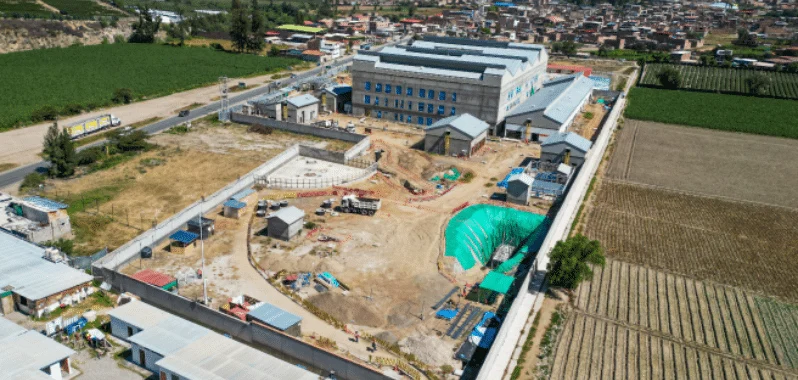
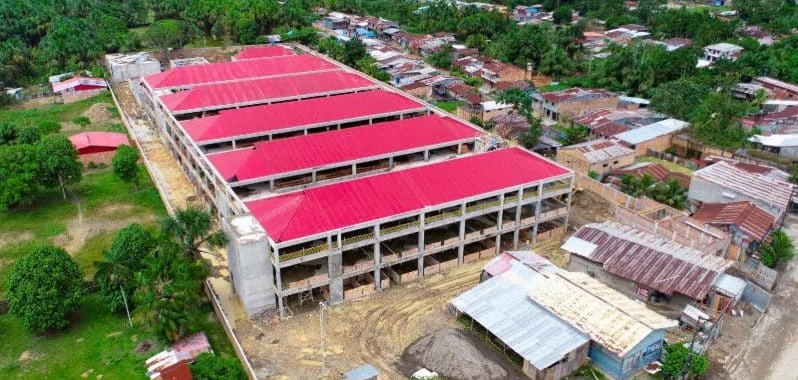
The construction of the new Hospital of Caballococha, located in the Mariscal Ramón Castilla province of the Loreto region, has officially reached a physical progress milestone of 39%. This ambitious project, representing a total investment exceeding S/ 146 million, stands as a cornerstone of the regional government’s commitment to decentralizing healthcare and providing equitable services to some of the most isolated populations in the Peruvian Amazon.
Situated in a strategically vital border region where the Peruvian Amazon meets Colombia and Brazil, the facility is designed to serve as a comprehensive medical hub. By addressing the critical lack of specialized health services in the districts of Ramón Castilla, San Pablo, Pebas, and Yavarí, the project aims to bridge historical gaps in public infrastructure, ensuring that residents of these remote areas no longer have to endure perilous journeys to Iquitos or other distant urban centers for basic or specialized medical attention.
Chronology and Development of the Infrastructure
The journey toward the realization of the Caballococha Hospital has been marked by rigorous planning and phased execution.
- Project Inception and Bidding: The initiative was born out of a desperate need for a secondary-level health facility capable of handling emergency surgical procedures and specialized diagnostics in a region characterized by its riverine geography and lack of road connectivity.
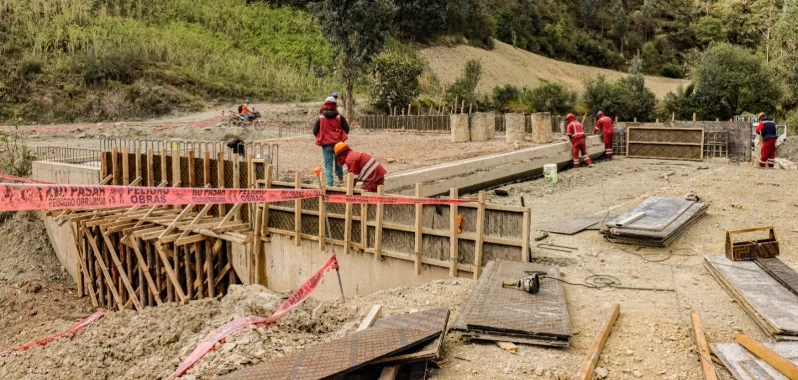
- Breaking Ground: Upon the mobilization of heavy machinery and the arrival of construction materials—a logistical challenge in itself given the remote location—the project officially commenced.
- Foundation and Structural Phase (Months 1–12): The initial phase focused on site preparation, ground stabilization, and the laying of deep foundations necessary to support a multi-story healthcare facility in an area prone to high humidity and heavy rainfall.
- Reaching the 39% Milestone (Present): As of mid-2026, the structural frame of the main wards is largely complete. Engineering teams are currently finalizing the installation of essential utilities and beginning the transition toward interior architectural finishes.
The progress made thus far is not merely a quantitative metric; it represents the overcoming of significant logistical hurdles, including the transportation of specialized materials through the Amazonian river network, which often dictates the pace of construction in this part of Peru.

Supporting Data: Infrastructure and Technical Capacity
The Caballococha Hospital is not merely a building; it is a complex technological ecosystem designed to withstand the rigors of the tropical climate while providing high-standard medical care.
Key Technical Components:
- Specialized Departments: The design includes fully equipped units for outpatient care, high-dependency hospitalization, 24/7 emergency services, and comprehensive surgical suites.
- Diagnostic Capabilities: To reduce patient transfer times, the hospital will feature an advanced clinical laboratory and a state-of-the-art diagnostic imaging wing, including digital radiography and ultrasound capabilities.
- Logistical Integration: The facility includes a dedicated pharmacy capable of managing a cold-chain supply for vaccines and sensitive medications, which is vital for the region’s public health initiatives.
- Administrative and Supportive Infrastructure: A modern administrative block, staff quarters for visiting specialists, and a helipad for emergency medical evacuations are integrated into the design.
The investment of S/ 146 million covers not only the physical construction but also the acquisition of state-of-the-art medical technology. By standardizing the quality of care, the government intends to shift the burden away from the regional hospital in Iquitos, allowing for local resolution of health crises.
Official Stance and Governance
Representatives from the Regional Government of Loreto have emphasized that this project is a "debt to the border population." During recent technical inspections, government engineers confirmed that the construction adheres to the stringent seismic and safety standards required for public healthcare infrastructure.
Strategic Importance for National Security and Health
The Ministry of Health, in coordination with regional authorities, has underscored the importance of the project in the context of national integration. "A hospital on the border is a symbol of the State’s presence," stated a regional spokesperson during the recent site visit. The government’s narrative focuses on three pillars:

- Accessibility: Reducing the time-to-treatment for patients in isolated indigenous communities.
- Quality: Ensuring that residents of the Amazon have access to the same technological standard of care found in larger Peruvian cities.
- Resilience: Creating a facility that can serve as a primary center for epidemiological control in the border zone.
Implications for the Loreto Region
The completion of the Caballococha Hospital will have profound socio-economic and public health implications for the province of Mariscal Ramón Castilla.
1. The End of "Riverine Displacement"
Currently, the most common response to a health emergency in the border region involves hours, sometimes days, of travel by river boat. The existence of a local hospital with surgical and diagnostic capacity will significantly lower mortality rates related to preventable complications and trauma.
2. Economic Stimulus
The construction phase itself has provided significant local employment opportunities, fostering a demand for skilled labor in a region where economic opportunities are often limited. Upon completion, the facility will serve as a permanent employer for medical professionals, nurses, technicians, and administrative staff, creating a new middle class in the town of Caballococha.
3. Strengthening the Regional Health Network
The hospital will be integrated into a larger regional network, allowing for real-time telemedicine consultation with specialists in the capital. This connectivity ensures that local doctors in Caballococha are supported by the broader national healthcare system, effectively turning the remote town into a connected health node.

Challenges Ahead
While the 39% progress mark is cause for optimism, the project faces ongoing challenges:
- Logistical Fragility: Maintaining a steady supply chain for specialized medical equipment during the low-water season in the Amazon requires precise timing and coordination.
- Human Resources: Attracting and retaining specialized medical talent in remote border areas remains a long-term challenge. The government is currently exploring incentive packages to ensure that once the building is completed, it is staffed by high-quality personnel.
- Sustainability: Ensuring that the operational budget for the facility is maintained in the coming years will be crucial to avoiding the "white elephant" syndrome seen in other infrastructure projects where buildings remain underutilized due to a lack of recurring funding.
Conclusion: A Vision for the Future
The Caballococha Hospital represents a turning point for the Loreto region. As the structure continues to rise against the backdrop of the Amazon rainforest, it symbolizes a shift in the Peruvian state’s approach to the Amazon—moving from neglect to active investment.
With 39% of the physical work completed, the project is on track to redefine the standard of living for the people of the Mariscal Ramón Castilla province. As construction moves into its next phase, the focus will shift from the shell of the building to the intricate installation of medical systems that will eventually save thousands of lives. The success of this hospital will serve as a model for future infrastructure projects in the most isolated reaches of the country, proving that geography need not be a barrier to the fundamental human right of quality healthcare.