Executive Summary: A Two-Pronged Economic Strategy
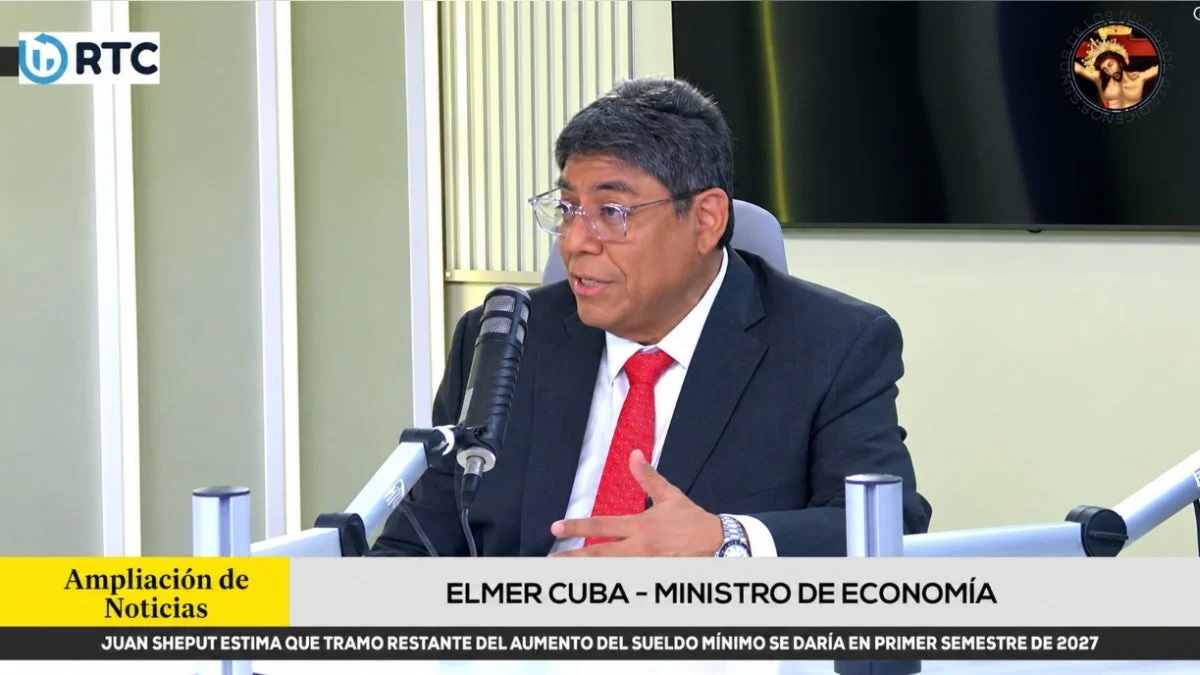
In a significant move to bolster the purchasing power of the nation’s elderly and prepare for the looming threat of climate-driven economic instability, the Peruvian government has unveiled a comprehensive fiscal package. Elmer Cuba, the Minister of Economy and Finance (MEF), confirmed during an interview on Ampliación de Noticias that the administration is moving forward with a one-time bonus for approximately 800,000 retirees under the National Pension System (ONP).
Simultaneously, the government is finalizing a contingency framework in collaboration with the Ministry of Development and Social Inclusion (Midis) to mitigate the potential economic impact of the El Niño phenomenon. While the ONP bonus provides immediate, quantifiable relief, the latter initiative remains fluid, contingent upon the severity of the meteorological conditions that the country is expected to face in the coming months.
The ONP Bonus: Providing Immediate Relief
The decision to provide a one-time stipend of approximately S/ 200 to ONP pensioners represents a targeted effort to alleviate the financial strain on the nation’s retired population.
Implementation and Scope
According to Minister Cuba, the payment is scheduled to be activated in December. This initiative is categorized as "preventive," aimed at providing a buffer for the most vulnerable elderly citizens during the end-of-year period. By targeting the 800,000 beneficiaries currently managed by the ONP, the government seeks to ensure that the liquidity reaches those who depend most heavily on state-managed pension funds.
The Rationale for a "One-Time" Measure
The government has been clear that this is a non-recurring payment. Critics and economists alike have noted that while the S/ 200 amount provides a modest immediate boost, it does not address the underlying structural issues regarding pension adequacy. However, within the current fiscal constraints, the government views this as a necessary, targeted intervention rather than a permanent expansion of pension obligations.
Chronology of Government Planning
The announcement follows a series of internal evaluations regarding the nation’s fiscal space and the potential for domestic economic disruption.
- Early Q4: The Ministry of Economy and Finance begins assessing the impact of inflation on the purchasing power of ONP retirees.
- Late October: Discussions between the MEF and Midis intensify regarding the "El Niño" risk scenarios.
- November 2023: Formalization of the decision to grant the ONP bonus as a preventative measure for December.
- Current Status: The government remains in a state of high readiness, awaiting meteorological data to trigger the deployment of regionalized aid for El Niño.
Climate Risk: Preparing for the El Niño Phenomenon
Perhaps the most complex component of the government’s current economic agenda is the preparation for the El Niño phenomenon. Unlike the fixed-sum ONP bonus, the assistance for families affected by climate change is dynamic.
The Role of Midis and Fiscal Flexibility
The Ministry of Development and Social Inclusion is currently modeling various scenarios based on potential damage to infrastructure, agriculture, and housing. Minister Cuba emphasized that the government is adopting a "wait-and-see" approach, not due to lack of planning, but due to the unpredictable nature of climate events.
"It is impossible today to say how much, how, and where," Minister Cuba explained. "But we have the fiscal space to respond. It will depend entirely on the size of the blow."
Defining "Vulnerable"
The challenge for the administration lies in identifying the specific populations that will be hardest hit. This involves:
- Geospatial Analysis: Determining which regions are prone to flooding, landslides (huaicos), or drought.
- Socioeconomic Mapping: Identifying households whose primary income sources—such as subsistence farming or local commerce—are most susceptible to climate-induced disruption.
- Fiscal Trigger Mechanisms: Establishing clear thresholds for when the emergency funds will be released to ensure rapid deployment when the crisis hits.
Official Responses and Political Context
The announcement comes at a time when the relationship between the Executive branch and the Congress has been strained. Recent legislative debates regarding the delegation of economic powers have highlighted the difficulties the government faces in implementing its broader financial agenda.
The Congressional Dimension
Minister Cuba’s announcement serves as a demonstration of the executive branch’s proactive approach to governance despite legislative headwinds. By leveraging existing budget allocations and the fiscal space carved out by prudent management, the government is attempting to signal that it remains in control of the nation’s social safety net, even if its legislative requests to Congress have been partially restricted.
Economic Expert Perspectives
Economic analysts have largely viewed the ONP bonus as a politically popular move that also serves a functional economic purpose: stimulating local consumption during the holiday season. However, the focus on El Niño preparation is seen as the more critical fiscal challenge. Economists emphasize that the government’s ability to maintain "fiscal space" is a testament to its macroeconomic stability, which remains a cornerstone of investor confidence in Peru.
Implications for the Future
The government’s current strategy carries long-term implications for how the state interacts with its citizens during times of crisis.
1. Shift Toward Targeted Intervention
The move away from blanket subsidies toward targeted support (such as the specific ONP bonus and the upcoming, localized El Niño aid) suggests a more mature approach to social spending. By focusing on specific cohorts, the government minimizes the risk of inflationary pressure that broad-based subsidies can often create.
2. The Necessity of Fiscal Resilience
The repeated emphasis by Minister Cuba on having the "fiscal space" to respond indicates that the government views its balance sheet as a strategic asset. By not overcommitting funds until the specific needs are identified, the administration ensures that it can provide meaningful, rather than token, support when the true cost of El Niño becomes apparent.
3. The Challenge of Bureaucratic Execution
While the policy intent is clear, the actual execution remains a hurdle. The coordination between the MEF and Midis must be flawless to ensure that the aid reaches the correct beneficiaries without falling into the trap of administrative delays or bureaucratic red tape. The success of these initiatives will likely be judged by the speed and transparency with which the funds reach the intended recipients.
Conclusion
The Peruvian government is navigating a narrow path between maintaining fiscal discipline and providing essential support to a populace facing both economic hardship and environmental uncertainty. The one-time ONP bonus is a tangible, immediate relief measure, while the preparatory work for El Niño represents a calculated, strategic approach to risk management.
As the country moves toward the end of the year, all eyes will be on the Ministry of Economy and Finance to see if these measures are sufficient. The government has signaled that it is ready to act, but the final verdict will rest on the efficacy of its implementation and the intensity of the environmental and economic challenges that lie ahead. The message from Minister Cuba is clear: the government is prepared to protect its most vulnerable citizens, provided it can accurately gauge the scale of the impending crisis.