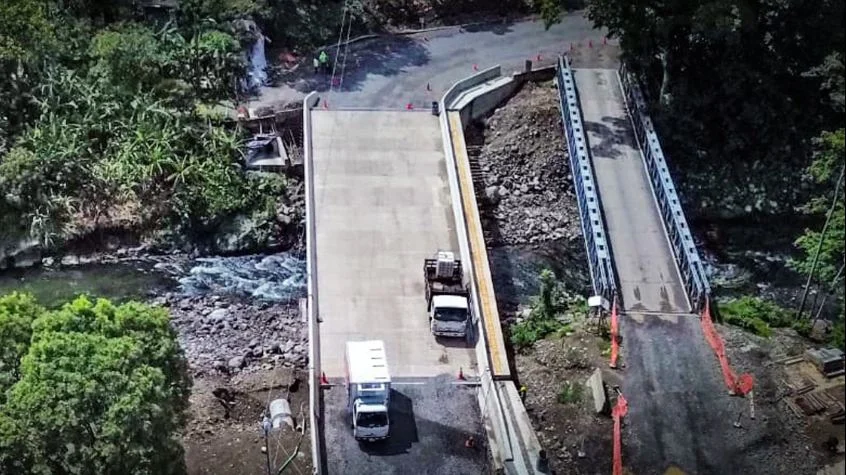
PUNTARENAS, COSTA RICA — A critical infrastructure milestone is approaching completion in the province of Puntarenas, where the construction of the new Guacimal River Bridge has entered its final phase. This project, which replaces an aging modular structure on Route 606, represents a significant leap forward for one of the country’s most vital conduits for both regional commerce and international tourism. With an 85% completion rate, the new bridge is slated to become fully operational by September, promising improved safety and more efficient transit for thousands of travelers.
Main Facts: A Modern Engineering Feat
The new structure spans 35 meters in length, engineered to handle modern traffic demands that the previous temporary modular bridge could no longer accommodate effectively. The project is backed by an investment of US$ 1.452 million—approximately 680 million colones.
From an engineering perspective, the bridge is designed for durability and capacity. It features two full lanes, allowing for one-way traffic in each direction, and is supported by five high-resistance precast concrete beams. The successful completion of the road slab casting was the most recent technical hurdle cleared by the construction teams, marking the transition from heavy structural assembly to the final finishing phase.
Chronology of Development
The Guacimal River project has been a priority for regional development, intended to mitigate the bottlenecking often associated with modular bridge crossings.

- Initial Planning and Procurement: The project was identified as a critical requirement to upgrade the logistical capacity of Route 606, the primary gateway to the Monteverde cloud forest region.
- Structural Assembly: Over the past several months, construction crews focused on the foundation and the deployment of the five high-resistance precast beams. This phase required precise coordination to ensure the structural integrity of the bridge over the river basin.
- The Losa de Rodamiento Phase: The casting of the road slab (losa de rodamiento) represented a significant milestone, allowing for the subsequent development of the bridge surface.
- Current Phase (August 2026): With 85% of the project complete, the focus has shifted to the "aproximaciones viales"—the critical transition zones connecting the new structure to the existing highway network.
- Projected Completion: The authorities have set a firm deadline for the official opening in September, when the old modular bridge will be decommissioned and removed.
Supporting Data and Technical Specifications
The replacement of the bridge is not merely an aesthetic or minor maintenance upgrade; it is a structural necessity for the local economy.
Structural Integrity
The project employs modern civil engineering techniques to ensure long-term resilience against the environmental challenges common in the Puntarenas region. The five precast beam system provides a stable deck platform, while the concrete composition has been selected to withstand the specific hydrological conditions of the Guacimal River.
Roadway Integration
The National Roadway Council (CONAVI) has overseen the construction of:
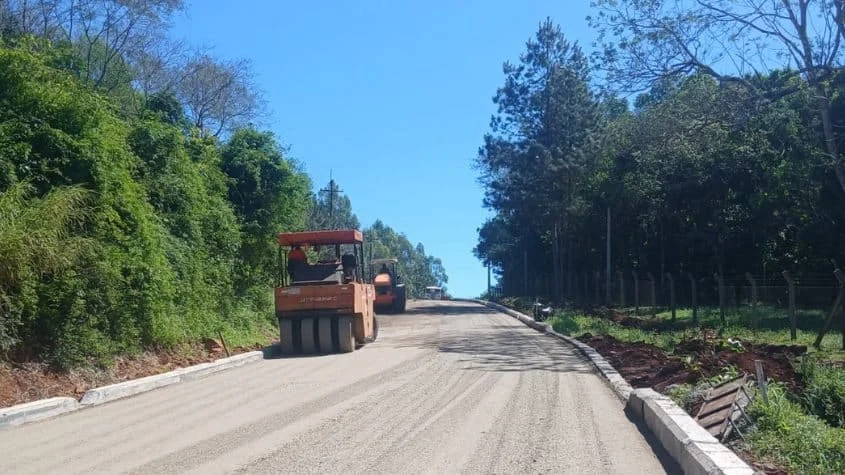
- Subbase and Base Stabilization: Using cement-stabilized materials to ensure that the road leading to the bridge does not suffer from settling or cracking under the weight of heavy tourist buses and freight transport.
- Retaining Walls: Completed to prevent erosion near the bridge abutments.
- Drainage Systems: Sophisticated hydraulic systems have been installed to manage heavy rainfall, a common occurrence in the region, preventing water accumulation on the bridge deck.
Official Perspectives and Operational Oversight
The Consejo Nacional de Vialidad (CONAVI) has been instrumental in managing the project’s timeline. According to project managers on-site, the current pace of work has actually surpassed the initial projections. By overcoming the technical complexities of the slab casting earlier than expected, the team has been able to accelerate the finishing work.

While construction is in its final stages, CONAVI officials have confirmed that traffic flow remains unaffected. The existing modular bridge continues to serve the public, ensuring that the critical supply chains for the Monteverde community—which relies heavily on the tourism and agricultural sectors—remain uninterrupted during the transition. The final steps, including horizontal and vertical demarcation (road markings and signage), will be executed in the final weeks leading up to the September opening.
Socio-Economic Implications: Why the Bridge Matters
The significance of this infrastructure project extends far beyond its physical dimensions. Route 606 serves as the primary artery connecting the Inter-American Highway (Carretera Interamericana Norte) to the world-renowned Monteverde Cloud Forest Reserve.
Boosting Tourism
Monteverde is a cornerstone of Costa Rica’s "ecotourism" model. Tourists from around the globe traverse this route to reach the region’s hotels, reserves, and adventure parks. A modern, wide, and safe bridge removes the psychological and physical barrier of a single-lane modular structure, which previously required cautious, stop-and-go driving. Improved transit times are expected to enhance the visitor experience, facilitating easier access for large shuttle buses and private tour operators.
Strengthening Logistics and Commerce
For the local population, the bridge is a lifeline. Residents and business owners in the Monteverde area depend on Route 606 for the transport of daily goods, medical supplies, and agricultural exports. The increased load-bearing capacity of the new bridge will allow for more efficient logistics, potentially lowering transport costs and reducing the maintenance frequency that often plagues secondary infrastructure in rural areas.

Safety and Long-Term Stability
Modular bridges are typically intended for temporary or emergency use. By replacing the old bridge with a permanent, high-specification concrete structure, the government is making a long-term investment in public safety. The inclusion of modern safety barriers and clear demarcation ensures that the risk of traffic incidents—particularly during the rainy season when visibility and road grip are compromised—is drastically reduced.
The Path Forward: Finishing the Infrastructure
As the calendar turns toward September, the final touches will be applied. This includes the application of specialized asphalt and the installation of safety markers that meet international highway standards. The project serves as a template for future infrastructure upgrades in Costa Rica, highlighting the effectiveness of phased construction where the existing service remains operational until the very last moment of the transition.
The completion of the Guacimal River Bridge is a victory for regional integration. It underscores the government’s commitment to maintaining a competitive edge in the global tourism market while ensuring that the infrastructure needs of rural communities are met with modern, durable, and reliable engineering solutions. As the orange cones and construction machinery are cleared away in the coming weeks, the residents of Puntarenas and the thousands of tourists visiting Monteverde will benefit from a safer, faster, and more robust connection that stands as a testament to the country’s ongoing development efforts.
For ongoing updates regarding the inauguration of the bridge and traffic management during the transition period, residents are encouraged to monitor official communications from the National Roadway Council (CONAVI) and local government authorities.