By Editorial Staff
The Ucayali Region is currently undergoing a significant transformation in its public infrastructure landscape. With a combined investment nearing S/ 25 million, the regional government is pushing forward with two high-impact projects designed to modernize municipal operational capacity and revitalize community sports culture. These initiatives, centered in the districts of Coronel Portillo and Yarinacocha, represent a strategic effort by Governor Manuel Gambini’s administration to enhance both logistical efficiency and social well-being for the local populace.
As the region moves toward the final stages of construction for these projects, the focus has shifted from initial planning and earthworks to the crucial phases of technical reception and final architectural detailing.
1. Main Facts: A Dual Focus on Utility and Recreation
The regional government’s recent efforts are bifurcated into two distinct but equally vital sectors: municipal logistics and public health through sports.
The New Municipal Maestranza (Workshops)
The Municipal Maestranza of Coronel Portillo, a project valued at approximately S/ 7,960,322.00, has officially entered its reception phase. This facility is not merely a storage area but a sophisticated hub designed for the maintenance of heavy machinery and light vehicles. By centralizing the repair and upkeep of municipal fleets, the project aims to ensure that the heavy equipment required for road maintenance, drainage cleaning, and urban development remains operational and ready for deployment at all times.

The Polideportivo de San Pablo de Tushmo
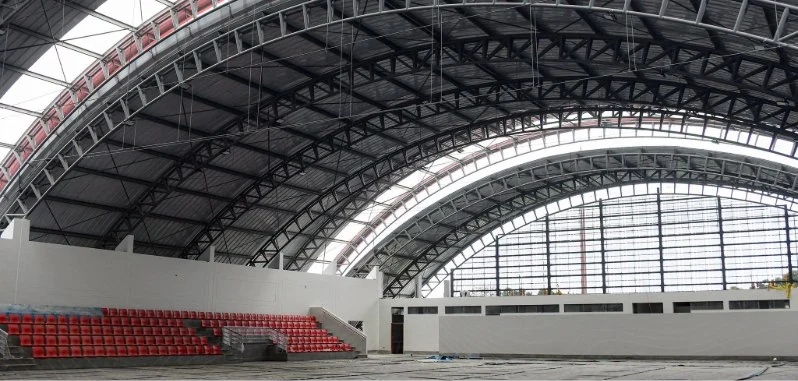
Simultaneously, the district of Yarinacocha is witnessing the near-completion of the Polideportivo de San Pablo de Tushmo. With a robust investment of S/ 17,021,131.49, this complex stands as one of the most significant recreational infrastructure projects in the region. Currently boasting an 85% physical progress rate, the center is designed to serve as a multi-purpose facility that will cater to a wide demographic, from school-aged children to senior citizens.
2. Chronology of Development: From Planning to Completion
The journey of these projects reflects a standard but rigorous public works cycle in Peru, requiring coordination between provincial municipalities and regional oversight bodies.
- Project Inception and Budget Allocation: The initial phases involved the feasibility studies and the allocation of funds within the regional government’s budget to address the aging infrastructure in Coronel Portillo and the lack of proper athletic facilities in Tushmo.
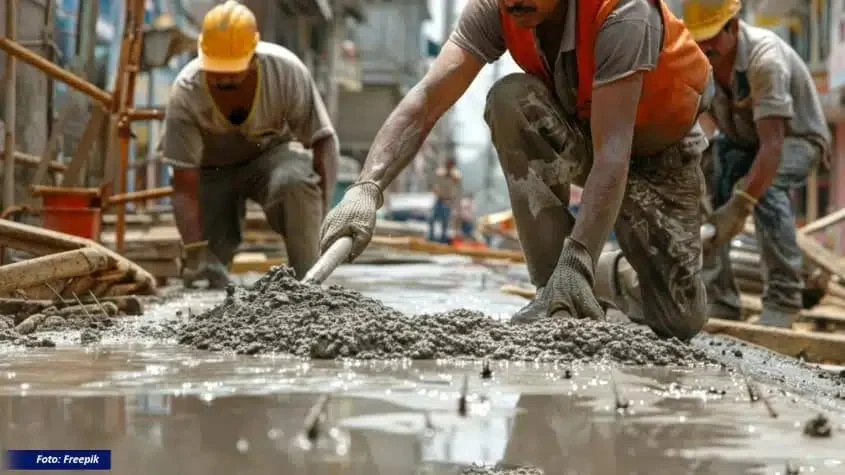
- The Construction Phase: Over the past year, both sites have been the focus of intense construction activity. For the Maestranza, this meant building specialized workshops with industrial-grade flooring and safety features. For the Polideportivo, the challenge involved creating a site capable of housing a semi-Olympic pool alongside multiple sports courts.
- The Current Status (September 2026): As of the current reporting period, the Maestranza project has transitioned into the administrative reception phase, where technical committees inspect the build quality against the original engineering designs. Meanwhile, the Polideportivo has reached the 85% completion mark, with crews currently finalizing interior finishes and landscape integration.
3. Supporting Data and Technical Specifications
To understand the scope of this S/ 25 million investment, one must look at the technical requirements and the intended utility of these facilities.
Operational Capacity of the Maestranza
The primary utility of the new Maestranza is to serve as the "backbone" for municipal road maintenance. Without a centralized, well-equipped workshop, municipalities often resort to outsourcing repairs, which can be costly and prone to delays. The new facility will allow for:
- Preventive Maintenance: Regular servicing of heavy earth-moving equipment, which is crucial during the rainy season when road access becomes volatile.
- Streamlined Response Times: By keeping specialized tools and spare parts on-site, the municipality can respond to emergency road repairs in a fraction of the usual time.
Recreational Amenities at the Polideportivo
The San Pablo de Tushmo facility is being constructed to meet international standards for regional sports complexes. Its key features include:

- Aquatic Center: A semi-Olympic swimming pool, which is a rarity in the region, aimed at promoting competitive swimming and providing a venue for physical therapy and public leisure.
- Versatile Sports Courts: Dedicated zones for basketball, volleyball, and futsal, which are the most popular community sports in the region.
- Social Integration Spaces: The design incorporates seating areas and changing facilities meant to support community gatherings, fostering a sense of ownership among the local population.
4. Official Responses: The Government’s Vision
Governor Manuel Gambini has been vocal about the strategic necessity of these projects. During a recent site inspection, the Governor emphasized that these works are not just about "bricks and mortar," but about providing the municipal authorities with the tools required to govern effectively.
"We are working rapidly to culminate the work on the municipal Maestranza," Governor Gambini stated. "This facility will be the heart from which the authority manages the maintenance of roads, streets, and sidewalks. We have begun the reception process, and in the coming days, we will announce the official date for the grand inauguration."
Regarding the Polideportivo, the Governor underscored the importance of fulfilling social commitments. "We expect to inaugurate this center as soon as possible. Our commitment to the people of Tushmo is absolute. We are pushing the contractors to adhere strictly to the established deadlines so that the pool and the courts can be put at the disposal of the public immediately."
5. Implications for the Future of Ucayali
The completion of these two projects has broader implications for the development of Ucayali.
Economic and Logistical Impact
By upgrading the municipal machinery maintenance capabilities, Coronel Portillo is essentially protecting its long-term investment in urban infrastructure. Well-maintained roads facilitate the transport of local agricultural goods and reduce the cost of living for residents by minimizing vehicle wear and tear.

Social and Health Outcomes
The Polideportivo represents an investment in the human capital of Yarinacocha. Access to high-quality sports infrastructure is directly correlated with lower rates of juvenile delinquency and better community health. By providing youth with a constructive environment to engage in sports, the regional government is creating a template for future social development projects.
Challenges and Future Oversight
While the progress is commendable, the final 15% of the Polideportivo project will be the most critical. The "last mile" of construction—which involves final safety certifications, electrical commissioning, and water treatment systems for the pool—is where many public projects face delays. The regional government’s insistence on adhering to the timeline is a positive sign of proactive project management, but transparency in the final budget audit will be equally important to ensure that the S/ 25 million total is utilized with maximum efficiency.
Conclusion
The Ucayali region is demonstrating a clear path toward modernized municipal management and improved community infrastructure. The transition of the Coronel Portillo Maestranza into its final phase and the near-completion of the Polideportivo in Tushmo reflect a regional administration focused on delivering tangible results. As these projects move toward their respective grand openings, they stand as symbols of progress for the citizens of Ucayali, promising improved service delivery and a healthier, more active future for the region’s youth.
The successful delivery of these works will undoubtedly set a high benchmark for future regional infrastructure tenders, proving that with consistent oversight and strategic allocation, public investment can significantly alter the quality of life in provincial Peru.