Executive Summary: A Strategic Leap for Puno’s Transportation Network
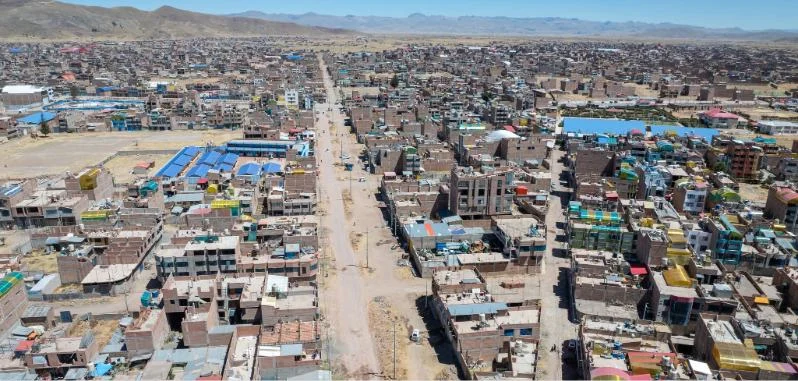
The Government of Puno (GRP) has officially broken ground on a transformative infrastructure project in Juliaca, the commercial heart of the Puno region. This ambitious initiative, aimed at revitalizing the urban landscape and optimizing transit, focuses on the paving of Avenida Sacsayhuamán and Jirón Amanecer. With an investment exceeding S/ 14.7 million, the project is designed to bridge the gap between urban expansion and critical regional logistics, specifically by streamlining access to the Inca Manco Cápac International Airport.
This infrastructure upgrade is not merely a paving exercise; it represents a strategic intervention intended to alleviate the chronic traffic congestion that has long plagued Juliaca’s urban center. By providing a high-quality, durable alternative route, the regional government aims to facilitate smoother transit for both residents and the significant volume of tourists and business travelers who utilize the city as a gateway to Southern Peru.
Main Facts: The Scope and Scale of the Project
The project is defined by its technical robustness and its role as a regional economic catalyst. Spanning two kilometers of critical roadway, the initiative utilizes high-specification concrete to ensure longevity and resilience against the region’s challenging climate conditions.
Technical Specifications
- Total Investment: S/ 14.7 million.
- Infrastructure Type: Rigid concrete pavement.
- Total Length: Two kilometers.
- Key Segments: The project covers the stretch between Jirón Miraflores and Avenida Aviación, as well as the section between Avenida Independencia and Jirón Miraflores.
- Duration: The project is scheduled for completion within 180 calendar days.
- Contractor: The execution has been awarded to the Consorcio Santiago.
Beyond the pavement itself, the project integrates critical urban drainage systems, including a primary colector and secondary collectors, to manage pluvial discharge—a vital necessity for Juliaca given its topographical and climatic challenges.
Chronology: From Planning to Groundbreaking
The path to the initiation of these works was marked by extensive administrative and technical planning. For years, the residents of the areas surrounding Avenida Sacsayhuamán and Jirón Amanecer had highlighted the deterioration of existing transit routes, which hindered local business operations and complicated travel to the airport.
- Project Formulation: Following public demand and technical assessments, the regional government prioritized the upgrade as part of a broader strategy to enhance regional connectivity.
- Procurement Phase: The GRP engaged in a competitive bidding process to ensure the selection of a qualified contractor, eventually awarding the project to Consorcio Santiago.
- Mobilization: In September 2026, the official commencement of work was announced, marking the transition from planning to active construction.
- Execution Phase: Currently, the project is in its primary stage, with teams focusing on the foundation and the implementation of the complex underground drainage infrastructure.
- Targeted Completion: With a 180-day calendar window, stakeholders anticipate the ribbon-cutting ceremony to occur in early 2027, provided weather and logistical conditions remain favorable.
Supporting Data: Why This Infrastructure Matters
Juliaca serves as the logistical hub for the Puno region. Its proximity to key tourist destinations—such as Cusco and Arequipa—makes it a vital node in Peru’s national infrastructure.
The Impact of Traffic Volume
Data indicates that the exit roads from Juliaca toward Cusco experience peak traffic surges, particularly on Sundays and Mondays. This pattern corresponds with the movement of agricultural goods, commercial inventory, and tourist transit. The current road network, prior to this upgrade, often failed to accommodate the sheer volume of heavy vehicles and public transport, leading to bottlenecks that increased travel time and logistics costs.

Drainage and Sustainability
The inclusion of an advanced drainage system is not secondary; it is essential. Juliaca’s urban terrain has historically struggled with water accumulation during the rainy season. By incorporating an engineered drainage network into the project, the regional government is effectively protecting the pavement investment from water-related degradation while simultaneously improving public health and safety for the surrounding neighborhoods.
Official Responses and Strategic Vision
During the inauguration ceremony, the regional governor emphasized that this project is a "cornerstone of modern development" for the province of San Román. The rhetoric from the GRP highlights a shift toward "proactive infrastructure," moving away from patching existing roads to building new, high-capacity routes.
The Governor’s Perspective
The regional leadership has characterized the project as a fulfillment of promises made to the local populace. By prioritizing the route to the Inca Manco Cápac International Airport, the GRP is signaling that it understands the importance of international perception. When travelers land in Puno, the quality of the surrounding road infrastructure is often their first point of contact with the regional administration’s efficiency.
Contractor Commitment
Consorcio Santiago, as the lead contractor, has expressed its commitment to meeting the 180-day deadline. In a statement to local media, technical leads noted that the use of rigid concrete pavement is a deliberate choice intended to minimize future maintenance requirements, thereby providing better value for public funds over the long term.
Implications: A New Era for Regional Connectivity
The completion of this project will trigger a ripple effect across several sectors in Puno.
Tourism and Economic Development
The Inca Manco Cápac International Airport is the primary gateway for thousands of tourists visiting Lake Titicaca and the surrounding cultural sites. A more efficient, reliable road connection to the airport will improve the overall visitor experience, potentially encouraging longer stays and higher expenditure in local businesses.
Urban Mobility and Quality of Life
For the residents of Juliaca, the immediate benefit is the reduction of dust, noise, and traffic delays. The project serves as a model for how future urban development in the province should be approached: with integrated planning that considers both the transit needs of commuters and the drainage and safety requirements of the community.

Integration with Broader Modernization
This project does not stand alone. It is part of an articulated strategy that includes the broader modernization of the Inca Manco Cápac airport. By syncing the municipal road infrastructure with federal or regional airport upgrades, the government is creating a seamless logistics chain. This integration is essential for positioning Juliaca as a modern, competitive city in the Andean corridor.
Looking Forward: Challenges and Future Prospects
While the project is currently on track, the successful delivery of such a large-scale intervention will require rigorous oversight. The 180-day timeline is ambitious, particularly given the potential for seasonal weather disruptions in the Andean highlands. The role of the supervising bodies will be crucial in ensuring that the quality of materials—specifically the concrete mix and the reinforcement of the drainage systems—meets the high standards required for regional infrastructure.
Furthermore, the government must look beyond these two kilometers. If the Avenida Sacsayhuamán expansion proves successful in reducing congestion, it should serve as a pilot for subsequent projects across other high-traffic corridors in San Román. The success of this investment will be measured not only by the physical completion of the road but by the measurable reduction in transit times and the increased connectivity of the Juliaca-Cusco-Arequipa axis.
Final Assessment
The investment of S/ 14.7 million is a significant commitment of public resources, but it is one that is fundamentally aligned with the economic and social needs of the Puno region. As the construction progresses, the eyes of the region remain fixed on the progress of Consorcio Santiago. If the project meets its milestones, it will stand as a landmark success for the GRP and a vital upgrade for the thousands of travelers and local citizens who navigate the city’s arteries every day.
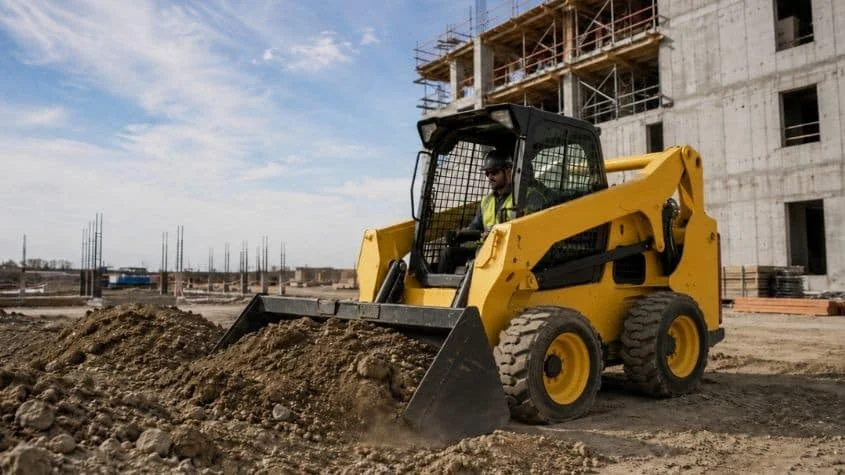
In the final analysis, the paving of these streets is more than a construction project; it is a declaration of progress. It is an acknowledgment that for a city as vibrant and commercially vital as Juliaca, infrastructure must evolve in tandem with its population’s growth and the increasing demands of modern tourism and trade. As the heavy machinery begins its work, the people of Puno are witnessing the physical manifestation of a more connected, efficient, and modern regional future.