In a decisive move to salvage the backbone of Peru’s manufacturing landscape, the government has officially declared a 120-day state of emergency for the textile and garment industry. Following the enactment of Supreme Decree N° 014-2026-PRODUCE on October 1, authorities are mobilizing a comprehensive rescue package aimed at mitigating the dual pressures of climate-induced market volatility and systemic financial exhaustion.
The textile sector, a vital engine for employment and regional development, has been severely compromised by the anomalous weather patterns associated with the El Niño phenomenon. With unseasonably high temperatures across the Peruvian coast, retailers and manufacturers have been left with warehouses overflowing with unsold winter inventory. This "capital entrapment" has created a liquidity crisis that threatens the viability of thousands of Micro and Small Enterprises (MYPEs).
The Core Crisis: Inventory Stagnation and Climate Shifts
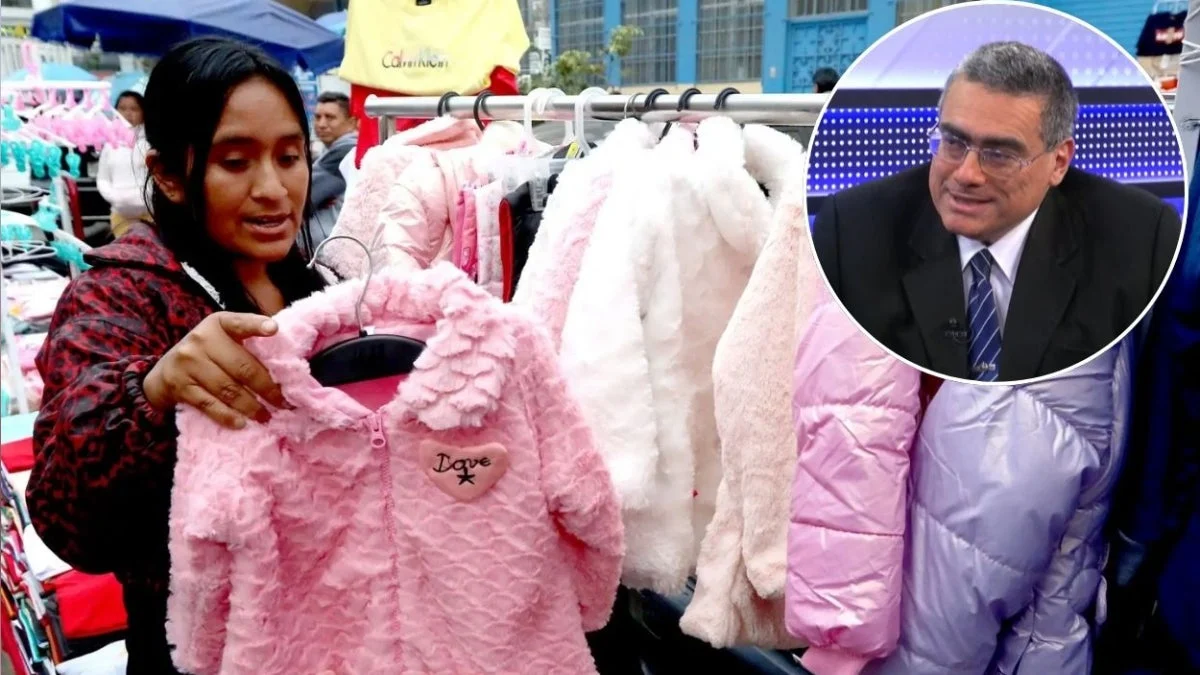
The crisis is not merely a product of the current climate cycle but the culmination of a period of declining sales and rising operational costs. The primary issue lies in the mismatch between supply and climate reality. Thousands of MYPEs invested in the production of heavy winter apparel—sweaters, coats, and thermal layers—expecting the usual seasonal demand. However, the unexpected heat wave paralyzed the retail sector, leaving this stock unsold and turning assets into liabilities.
When a garment sits in a warehouse rather than being sold at retail, the capital invested in raw materials, labor, and energy remains locked. For small businesses operating on thin margins, this stagnation prevents the reinvestment required to pivot production toward spring and summer collections. This cycle of illiquidity has prompted the Ministry of Production (PRODUCE) to step in with a series of strategic interventions.
Chronology of the Government’s Response
The government’s strategy is structured to provide both immediate relief and long-term systemic support. The following timeline outlines the key milestones of this emergency initiative:
- October 1, 2026: Official declaration of the state of emergency via Supreme Decree N° 014-2026-PRODUCE, recognizing the systemic risk to the textile industry.
- October 16, 2026: Launch of the broadened "Factoring Initiative," with the government mandating that all 19 ministries adopt mechanisms to expedite payments to suppliers.
- October 21, 2026: The first regional "Textile Outlet" event is scheduled for Ayacucho, providing a direct-to-consumer platform for local producers to liquidate stock.
- October 29, 2026: The second regional "Textile Outlet" event will take place in Huancayo, targeting the high-altitude market where demand for garments remains consistent.
- Late October/Early November 2026: Implementation of expanded tax relief measures through the Superintendencia Nacional de Aduanas y de Administración Tributaria (SUNAT).
The "Outlet" Strategy: Bridging Producers and Consumers
One of the most innovative approaches announced by Vice Minister of MYPE and Industry, Eloy Durán, is the creation of regional "outlets." These events are designed to act as a bridge between struggling manufacturers and consumers, bypassing the stagnant retail chains that have failed to move inventory.
By partnering with regional governments, the Ministry of Production will secure public spaces where textile guilds can sell their surplus stock directly to the public at "liquidation prices." The logic is simple: by clearing warehouses of last season’s inventory, manufacturers can generate the cash flow necessary to settle their immediate debts and fund the production of new lines.
"The entrepreneurs are essentially clearing their stock at these events," Durán explained. By cutting out intermediaries, producers can offer attractive pricing to consumers while still recouping the costs of their raw materials. Following the launch events in Ayacucho and Huancayo, the Ministry is already planning expansion to Huánuco, aiming to establish a replicable model for other regions affected by the climate crisis.
Supporting Data and Financial Relief Measures
Beyond retail liquidation, the government is tackling the financial architecture that currently restricts MYPEs. The crisis has left many firms unable to meet their tax obligations, leading to potential penalties that would further exacerbate their precarious state.
SUNAT and Tax Flexibilities
The tax authority, SUNAT, has been instructed to implement specific relief measures for companies within the emergency zones. Recognizing that traditional repayment schedules are currently unsustainable, the government has authorized:
- Extended Installment Plans: Companies can now accumulate up to five unpaid installments before triggering punitive actions, a significant increase from the standard two-installment limit.
- Flexible Filing Deadlines: Deferrals for tax filings and payments are being granted to ensure that businesses do not face immediate insolvency due to short-term cash flow gaps.
The Role of Factoring
Perhaps the most significant structural change involves the institutionalization of factoring. Factoring allows a business to sell its accounts receivable (invoices) to a third party (a factor) at a discount, providing immediate cash instead of waiting 60 or 90 days for payment.
While the private sector has used factoring for years, its adoption in the public sector has been uneven. Currently, only three ministries consistently utilize these mechanisms. The government’s new mandate aims to bring all 19 ministries into the fold. By ensuring that public sector procurement is paid through factoring, the government provides MYPEs with the ability to turn a government contract into immediate liquidity, regardless of when the final payment is processed by the Treasury.
Official Perspectives: A Call for Institutional Responsibility
Vice Minister Eloy Durán emphasized that this is not merely a temporary handout, but a move toward institutional accountability. "We want all 19 ministries to fulfill their obligations to these companies by paying them on time," Durán stated. By leveraging the state’s massive purchasing power, the government aims to force a culture shift in how public entities handle payments to small-scale suppliers.
The goal is to transition the textile sector from a state of emergency to a state of self-sufficiency. The government recognizes that if these MYPEs fail, the secondary impacts on employment in regional cities would be catastrophic. The textile industry is a major employer of skilled labor in provinces like Ayacucho and Huancayo, and its collapse would trigger a ripple effect in local consumption and economic stability.
Broader Implications: Climate Adaptation and Future-Proofing
The current emergency declaration serves as a wake-up call regarding the fragility of traditional manufacturing models in the face of rapid climate change. As El Niño and other climatic phenomena become more frequent, the industry must move toward greater agility.
- Supply Chain Diversification: The reliance on seasonal cycles for heavy apparel is a vulnerability. The government’s current support is a temporary fix, but it highlights the need for manufacturers to diversify their product offerings to include year-round goods.
- Digital Integration: The success of the "outlet" model suggests that regional producers need better access to digital marketplaces. Future initiatives will likely focus on e-commerce platforms that allow regional producers to reach national audiences without relying on physical retail storefronts.
- Financial Resilience: The focus on factoring and tax flexibility marks a shift toward a more sophisticated financial ecosystem for MYPEs. By integrating these businesses into formal financial tools, they become more resilient to future economic shocks.
Conclusion
The 120-day emergency period represents a critical window of opportunity. The government’s multi-pronged approach—clearing physical inventory through regional outlets, easing the tax burden through SUNAT, and institutionalizing factoring across all ministries—provides a clear path forward for the textile sector.
While the immediate relief is vital, the long-term success of this intervention will depend on the speed of implementation. As of mid-October, the clock is ticking. If the government can successfully integrate its 19 ministries into the factoring system and ensure the success of the Ayacucho and Huancayo outlets, the textile sector may emerge from this crisis not just saved, but significantly more robust and better prepared for the unpredictable challenges of the future. The survival of these thousands of small enterprises is, in many ways, the survival of the Peruvian industrial heartland itself.