The future of energy infrastructure in southern Peru remains mired in uncertainty, as the government faces a critical decision that could reshape the country’s industrial landscape for decades. At the center of this debate is the Sistema Integrado de Transporte de Gas (SITGAS)—a project designed to replace the aborted Gasoducto Sur Peruano (GSP)—and a competing proposal from the current operator, Transportadora de Gas del Perú (TGP).
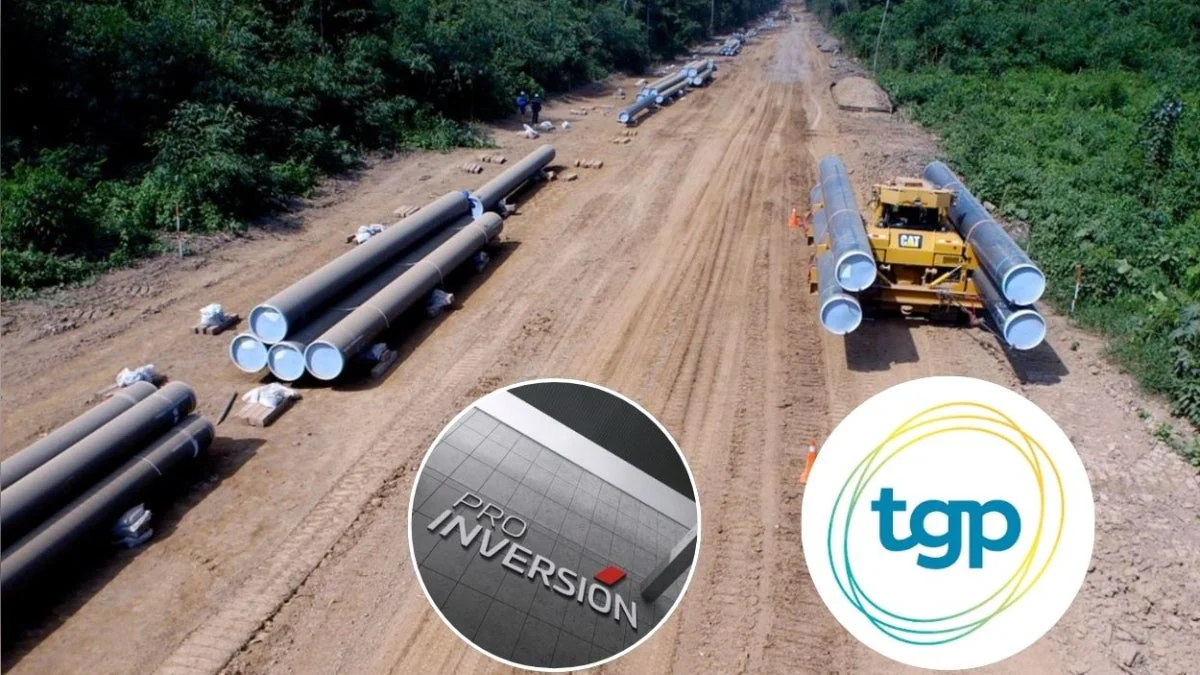
ProInversión, the state agency responsible for promoting private investment, has issued a stark warning: the government must choose a definitive path. The current stalemate is fueled by a significant overlap between the proposed SITGAS route and a new "coastal gas pipeline" suggested by TGP. Investing further public funds into technical studies for SITGAS, while a parallel proposal threatens to render those studies obsolete, is increasingly viewed as an inefficient allocation of resources.
A Legacy of Stalled Ambition: The Chronology of Failure
To understand the current impasse, one must look back at the collapse of the original Gasoducto Sur Peruano (GSP).
- 2014-2017: The GSP project was intended to be the backbone of southern energy, but it became the poster child for the fallout of the Lava Jato corruption scandal involving Odebrecht.
- October 2017: The Peruvian government formally terminated the GSP concession after the consortium failed to secure the necessary financial closure. At the time of cancellation, the project had achieved a mere 11% in physical progress.
- 2017-2020: Following the collapse, the government mandated ProInversión to develop a new technical framework, resulting in the birth of the SITGAS project.
- October 2020: The first phase of SITGAS concluded, establishing a baseline technical alternative.
- 2021-2024: The second phase, intended for detailed field studies, has been stalled by two failed international bidding processes and the emergence of the TGP addendum proposal.
- March 2024: The Ministry of Energy and Mines (MINEM) transferred S/24 million to ProInversión to jumpstart these studies, yet the funds remain largely frozen pending a policy decision from the executive branch.
The SITGAS Vision vs. The TGP Addendum
The SITGAS project is far more than a mere construction effort; it is a strategic necessity for the southern regions of Cusco, Puno, Arequipa, and Abancay. With an estimated investment of US$4.32 billion, its primary goals are to ensure energy security, supply natural gas to the southern energy node (centrales del nodo energético del sur), and facilitate urban distribution networks.
However, the proposal presented by TGP introduces a competing narrative. TGP suggests an addendum to its existing contract that would involve the construction of a "coastal gas pipeline." According to Renzo Rojas Jiménez, the SITGAS project director at ProInversión, the TGP proposal overlaps with the core objectives of SITGAS, specifically regarding the supply to Ilo and Mollendo.
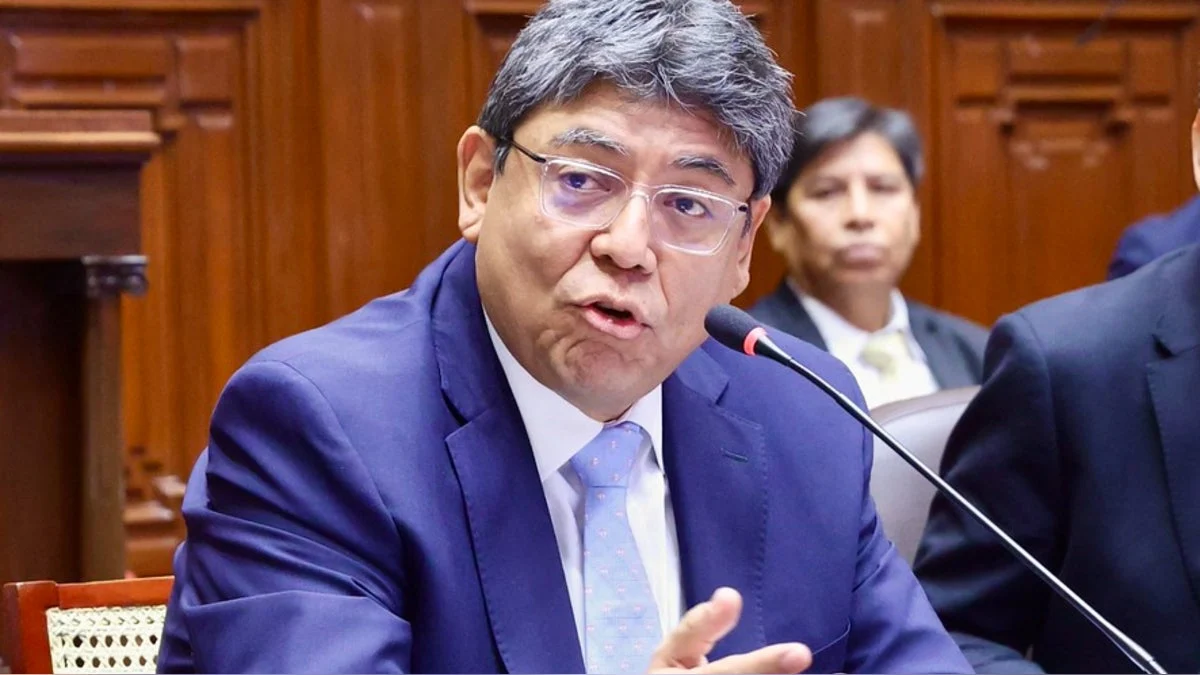
"The imperative is to define the path forward," Rojas Jiménez stated during a public hearing of the Energy and Mines Commission in Cusco. His message was clear: proceeding with detailed engineering for SITGAS is imprudent if the government eventually opts for the TGP alternative, which would necessitate a complete reformulation of the project’s scope.
The Controversy Surrounding TGP’s Proposed Addendum
The Association of Gas Consumers in Peru has emerged as a vocal critic of the TGP proposal, citing significant concerns regarding market competition and consumer protection. The association argues that before any discussion of a 10-year extension to TGP’s concession—a key component of their addendum—the government must hold the company accountable for its existing contractual obligations.
Key points of contention include:
- Direct Adjudication Risks: The association warns that the TGP proposal for a "Ramal Sur" (Southern Branch), estimated at S/7 billion, would likely be awarded directly to TGP without a competitive bidding process. This, they argue, eliminates the price discovery benefits of a public tender.
- Risk Transfer: Critics claim the addendum structures the deal so that the State—and ultimately the taxpayers—assumes the lion’s share of risks related to construction delays and cost overruns, while TGP enjoys a guaranteed rate of return.
- The "Double Payment" Issue: A major grievance is the extension of the concession period. The association argues that users have already paid for the existing infrastructure through their monthly tariffs over the last two decades. Extending the concession for another 10 years, they contend, effectively forces citizens to pay for assets that have already been amortized.
- Infrastructure Reliability: The debate has been further intensified by the memory of the 2023 gas supply interruption, which lasted two weeks and caused significant economic disruption across the country. The association asserts that current tariffs should have already covered the necessary "redundancy" and maintenance investments, rendering the call for additional, consumer-funded investment unjustified.
Implications for the Peruvian State
The government’s indecision carries heavy consequences. First, there is the issue of the 24 million soles already transferred to ProInversión. If the executive branch does not define the project scope, these funds will continue to sit idle, wasting the time value of money and delaying the arrival of low-cost energy to the southern provinces.
Second, the legal baggage of the original GSP continues to haunt the State. The viceminister of Hydrocarbons, Iris Marleni Cárdenas Pino, has confirmed that the State currently holds the GSP assets as a "possessor" but not as the legal owner. Until international arbitration tribunals resolve the ongoing disputes with the former concessionaires, the State’s ability to utilize or dispose of these existing materials and land rights remains severely limited.
The Strategic Choice
The decision the government faces is essentially between two models:
- The "Integrated Development" Model (SITGAS): A comprehensive, state-planned project intended to serve multiple regions and promote long-term energy decentralization, albeit with high upfront costs and the need for complex, time-consuming procurement.
- The "Efficiency/Addendum" Model (TGP): A faster, potentially lower-cost integration with existing infrastructure, which faces significant criticism regarding lack of transparency, lack of competitive bidding, and potential for monopolistic overreach.
Conclusion: A Call for Transparency
As the southern regions of Peru continue to grapple with limited access to natural gas—a resource that could significantly lower the cost of electricity and industrial fuel—the political cost of inaction is rising.
The path forward requires a transparent, evidence-based evaluation of both the SITGAS project and the TGP addendum. If the government determines that the TGP proposal is indeed a viable shortcut, it must implement robust regulatory safeguards to prevent the transfer of undue risks to the public and ensure that the "Ramal Sur" does not become another source of controversy. Conversely, if SITGAS is to remain the preferred path, the government must provide the political stability and technical certainty required for ProInversión to finally move beyond the study phase and toward execution.
For now, the people of the south remain in a state of suspended animation, waiting for the Ministry of Energy and Mines to translate its rhetoric into a definitive, actionable roadmap for energy sovereignty. The time for further study is drawing to a close; the time for a firm, transparent decision has arrived.