In a move that promises to redefine the landscape of home automation, Apple has officially unveiled the Apple Home Collection, a curated suite of smart home devices that marks the company’s first foray into branded hardware for the domestic ecosystem. By bridging the gap between high-end consumer electronics and robust smart home management, Apple is positioning itself to dominate a sector previously fragmented by incompatible third-party apps and inconsistent user experiences.
The collection, which focuses on three primary pillars—security, access, and climate control—is the result of strategic collaborations with industry titans LG Electronics and Schneider Electric. By marrying Apple’s signature minimalist design language and privacy-first software architecture with the manufacturing prowess of its partners, the company aims to offer a "plug-and-play" experience that is as intuitive as setting up an iPhone.
The Core Philosophy: Simplicity Meets Security
For years, the smart home market has been plagued by "app fatigue"—the need to download, register, and manage dozens of individual applications for every lightbulb, lock, and thermostat. Apple’s new initiative seeks to eliminate this friction entirely. The fundamental value proposition of the Apple Home Collection is seamless integration; every device is designed to be configured with a single tap via the iPhone, bypassing the need for third-party registrations or external account creation.
Beyond convenience, Apple is doubling down on its reputation as a privacy-focused company. All communication within the ecosystem is governed by end-to-end encryption. In its official press release, Apple confirmed that neither the company nor its partners will have access to user data, video recordings, or personal habits. This "privacy-by-design" approach is intended to assuage the growing consumer anxiety regarding data harvesting in the home environment.
Chronology of a Strategic Pivot
The path to the Apple Home Collection did not happen overnight. It is the culmination of years of iterative development within the "Home" software ecosystem.
- 2014: Apple introduces HomeKit, laying the groundwork for a unified smart home communication protocol.
- 2020-2022: Apple strengthens its position by championing the "Matter" standard, which allows devices from different manufacturers to work together.
- 2024: Internal reports surface regarding a "Home Hub" hardware project, intended to act as the brain of the domestic ecosystem.
- October 2026: Apple officially announces the Apple Home Collection, shifting from a pure software provider to a hardware-integrated ecosystem curator.
- December 2026: Initial rollout of the collection begins in North America.
- Q1 2027: Anticipated expansion of the hardware catalog and potential integration of further third-party partners.
Detailed Breakdown: The Three Pillars of the Home Collection
The initial launch catalog is comprehensive, focusing on areas where users most frequently experience friction with existing smart home technology.
1. Surveillance and Monitoring
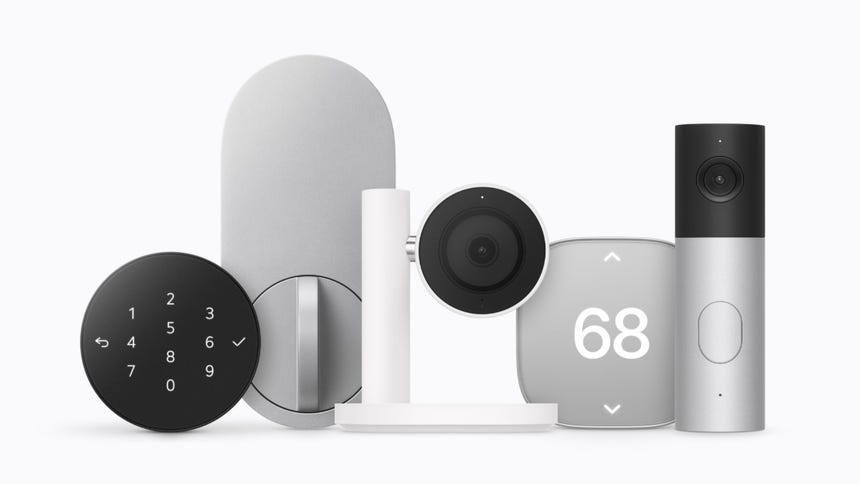
The security suite, developed primarily with LG Electronics, is the most ambitious part of the collection. It includes the LG Video Doorbell Wired, which features a dual-camera system—a high-resolution front lens and a downward-facing lens—allowing users to monitor both visitors and packages left at their doorstep simultaneously.
The indoor and outdoor cameras also integrate privacy-sensitive features. The indoor camera, in particular, utilizes a motor-driven physical shutter that activates automatically when the homeowner returns, ensuring the lens is physically obscured when privacy is desired. This hardware-level privacy solution provides a level of reassurance that software-only privacy toggles often lack.
2. Access and Security
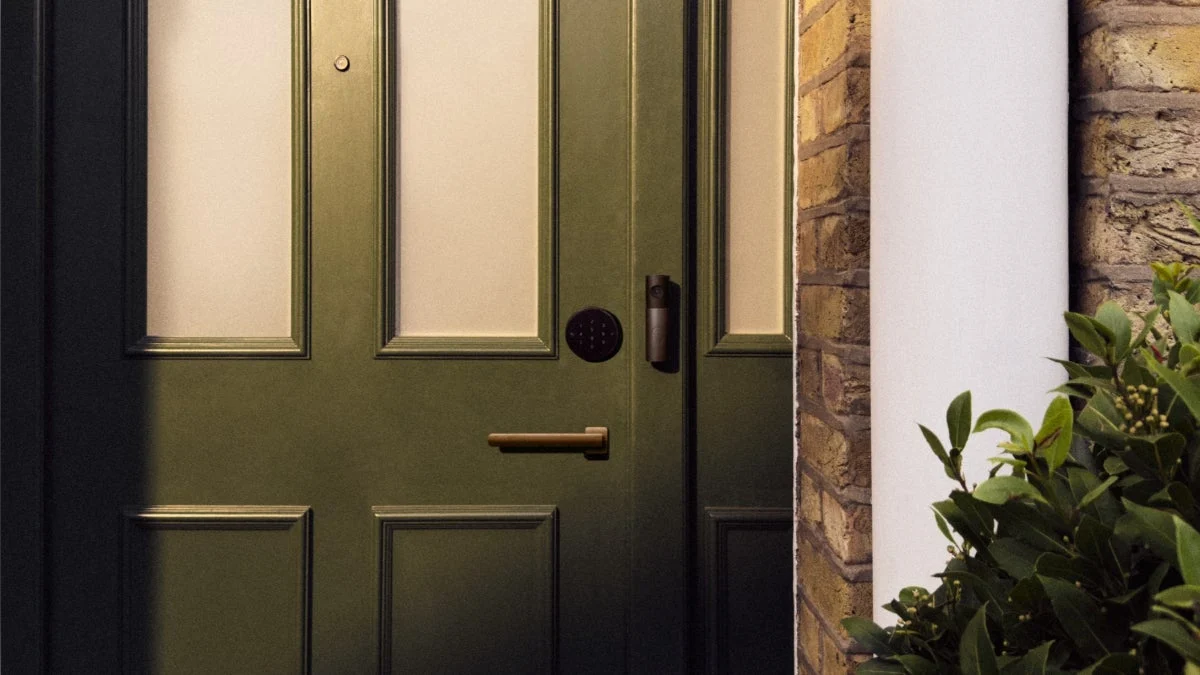
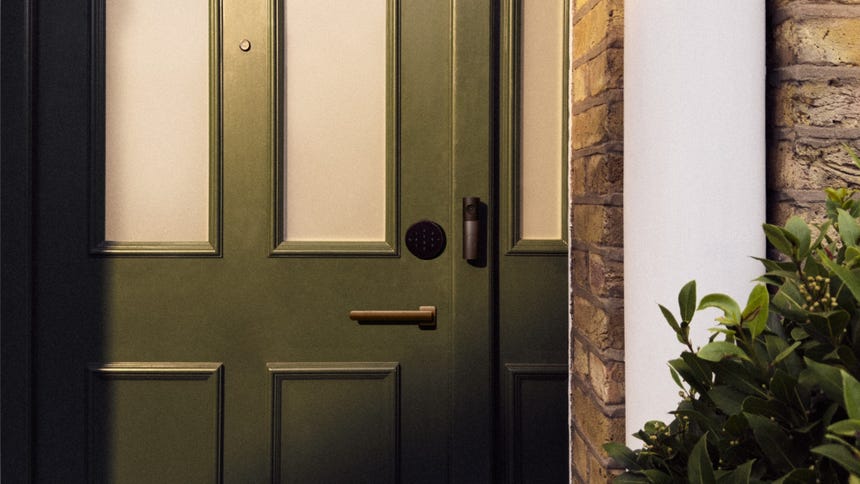
The LG Smart Deadbolt Lock represents a significant leap in entry management. Utilizing Ultra-Wideband (UWB) technology, the lock detects the precise proximity of an authorized iPhone, enabling a true "hands-free" entry experience. The door unlocks as the user approaches, eliminating the need to fumble for keys or even unlock the phone screen.
3. Climate Control and Efficiency
Climate management is handled by the LG Smart Thermostat and the Schneider Home Smart Thermostat. These units go beyond simple scheduling. By utilizing independent room sensors, the system can detect occupancy and micro-climates within the house, adjusting the HVAC system to minimize energy waste while maximizing comfort. This data-driven approach is expected to provide significant utility savings for the average homeowner.
Supporting Data and Technical Requirements
The shift to this new ecosystem is not entirely "lightweight." To maintain the high standards of performance and security, Apple has established strict hardware requirements.
Operation of the Apple Home Collection requires a dedicated Home Hub. Users must possess one of the following to manage the network:
- Apple TV 4K (latest generation)
- HomePod (second generation)
- The newly announced Apple HomeView (a dedicated smart home touchscreen display)
Additionally, the stability of the system relies on a high-speed, robust Wi-Fi network. While the setup is simplified, the infrastructure requirement confirms that this is a premium solution aimed at users who are already deeply invested in the Apple ecosystem.
Official Responses and Strategic Partnerships
The collaboration with LG Electronics and Schneider Electric is a departure from Apple’s usual "closed-garden" approach, suggesting a pragmatic shift in strategy. By outsourcing the physical manufacturing of specialized climate and security hardware to companies that already dominate those niches, Apple is ensuring that the product quality meets the high expectations of its consumer base.
"We are not just building devices; we are building an environment where the house works for the human, not the other way around," stated an Apple spokesperson during the launch event.
Furthermore, to address the installation barrier, Apple has partnered with ADT, the prominent home security provider, to offer professional installation services in the United States. This partnership is critical; it bridges the gap between DIY hobbyists and the general consumer who may feel intimidated by the physical installation of smart locks or hardwired doorbells.
Implications for the Tech Industry
The launch of the Apple Home Collection carries profound implications for the broader technology sector.
1. The End of the "Fragmented Home": By standardizing the hardware, Apple is putting immense pressure on competitors like Google (Nest) and Amazon (Ring). If Apple’s promise of "zero-setup" holds true, competitors will be forced to simplify their own user onboarding processes or risk losing market share to the sheer convenience of the Apple experience.
2. Privacy as a Market Differentiator: By highlighting end-to-end encryption and physical privacy shutters, Apple is betting that consumers are willing to pay a premium for security. This could force the rest of the industry to adopt stricter privacy standards, eventually making it a baseline expectation rather than a luxury feature.
3. The Geographic Gap: Currently, the availability is limited to the United States, Canada, and parts of the United Kingdom. For regions like Latin America—including Peru—the absence of a concrete roadmap for entry is a notable omission. It suggests that Apple is prioritizing markets with high levels of smart home penetration and existing infrastructure before attempting a global rollout.
Looking Ahead: What’s Next?
As we look toward 2027, the tech community is already speculating on the next phase of the Apple Home Collection. Will there be smart lighting? Integrated kitchen appliances? Or perhaps a deeper integration with Apple’s health data to track occupant wellbeing?
While the current offerings are conservative, focusing on the essentials of safety and comfort, the foundation is clearly laid for a much larger expansion. Apple has transitioned from a company that sells phones and computers to a company that intends to be the central nervous system of the modern home.
The success of this endeavor will hinge on the reliability of the hardware and the company’s ability to maintain its "it just works" reputation as the system scales. For now, the Apple Home Collection stands as a bold, calculated, and highly polished entry into a market that has long been waiting for a unified vision. Whether this will lead to a more locked-in consumer base or a genuinely better home experience remains to be seen, but one thing is certain: the era of the "smart home" has just officially entered the Apple era.