By Editorial Staff, ProActivo
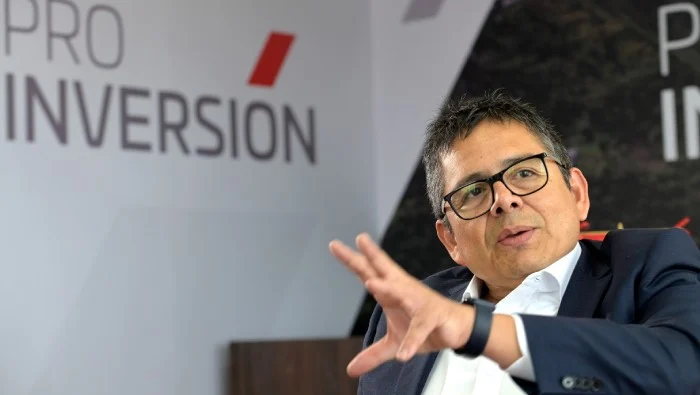
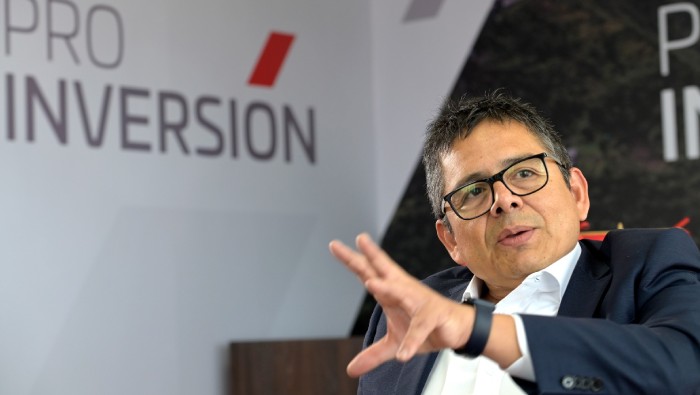
Peru is on the cusp of a transformative shift in its public infrastructure landscape. Luis Del Carpio, the Executive Director of the Private Investment Promotion Agency (PROINVERSIÓN), has announced that the country’s "Obras por Impuestos" (OxI) mechanism—or Works for Taxes—is poised to reach a historic record in 2026. With projected adjudications exceeding S/ 10 billion, the mechanism is set to more than double the figures recorded in 2025, signaling a robust revitalization of public-private collaboration.
This surge in activity is not merely a statistical anomaly; it represents a strategic pivot toward closing the country’s persistent infrastructure gaps while simultaneously restoring investor confidence.
Main Facts: A New Era for Public-Private Partnership
The mechanism of Works for Taxes allows private companies to finance and execute public infrastructure projects in exchange for tax credits. As of October 2026, the data provided by PROINVERSIÓN confirms that the model has gained unprecedented momentum. Public entities—including ministries, regional governments, local municipalities, and public universities—have already successfully awarded over 700 interventions, representing a total investment of more than S/ 9.6 billion.
"Obras por Impuestos is experiencing vertiginous growth," stated Luis Del Carpio. "The increasing participation of the private sector in financing schools, hospitals, roads, and essential services is a testament to the fact that business confidence has been restored. Private investment is firmly committed to the development of Peru."
The scale of this growth is further highlighted by the government’s performance in the short term. In the first 100 days of the current administration, adjudications through the OxI mechanism are expected to surpass S/ 3 billion, illustrating an agile approach to governance and project deployment.
Chronology: Building the Momentum
The current success of the OxI mechanism is the result of years of institutional refinement, policy adjustments, and a concerted effort to decentralize technical assistance.
- Foundation and Expansion: Over the past several years, PROINVERSIÓN has systematically increased its reach, ensuring that the OxI mechanism has a presence in every region of the country. This required intensive technical support for regional and local authorities, many of whom previously lacked the capacity to structure complex projects.
- The 2025 Pivot: 2025 served as a foundational year where the groundwork was laid to streamline bureaucratic processes, leading to the surge currently being witnessed in 2026.
- The 2026 Acceleration: The current year is defined by the implementation of "OxI Express," a legislative response to the environmental challenges posed by the El Niño phenomenon.
- Future Outlook (2027 and beyond): With the current regulatory framework in place, the objective is to sustain this growth, utilizing the massive S/ 70 billion available capacity (the Maximum Annual Capacity for the issuance of Regional and Local Public Investment Certificates, or CIPRL) to ensure long-term regional development.
Supporting Data: By the Numbers
The fiscal capacity of the Peruvian state to support these projects is significant. PROINVERSIÓN highlights a remaining financing capacity of nearly S/ 70 billion, which serves as a massive buffer for future infrastructure development.
Furthermore, the broader scope of PROINVERSIÓN’s portfolio is equally ambitious. The agency is currently overseeing:
- 87 active projects: Comprising both Public-Private Partnerships (APP) and Project-in-Assets models.
- Strategic Addenda: Eight major project updates (investment advancements) worth approximately US$ 40 billion.
- Impact: These projects are estimated to directly benefit 30 million Peruvians, touching on vital sectors such as transportation, sanitation, healthcare, and energy.
The "OxI Express" Strategy: Tackling El Niño
One of the most critical components of the current infrastructure agenda is the implementation of "Obras por Impuestos Express." Driven by the Emergency Decree N° 010-2026, this initiative is designed to mitigate the anticipated impacts of the 2026-2027 El Niño phenomenon.
"Prevention is strategic," Del Carpio emphasized. The "Express" mechanism truncates standard administrative timelines, allowing for the approval and initiation of projects in just four to five weeks. This agility is vital for disaster risk reduction. By focusing on essential health and education infrastructure, the government aims to protect the most vulnerable communities from the climate-related volatility that historically disrupts the Peruvian economy.
The mechanism is slated to remain in effect until December 2027, providing a window of opportunity for local governments to secure funding for drainage systems, resilient housing, and emergency response infrastructure.
Official Responses: Transparency and Zero Tolerance
As the volume of investment increases, so does the need for rigorous oversight. PROINVERSIÓN has positioned transparency, traceability, and anti-corruption measures as the three pillars of the OxI framework.
H3: The Architecture of Integrity
The agency is promoting the permanent dissemination of project data, including the identity of participating companies and the current physical progress of every site. By opening this data to public scrutiny, PROINVERSIÓN ensures that the citizenry can track the return on their tax investment.
"We have zero tolerance for corruption," Del Carpio asserted. "If we detect any irregularity, we will report it. If it becomes necessary to improve the rules to strengthen controls, we will propose those changes immediately."
The mechanism inherently incorporates structural safeguards:
- Reputational Commitment: Participating firms stake their corporate reputation on the success and integrity of the project.
- Certification Procedures: Investments are recognized only through strict compliance with established procedures, preventing unauthorized or inflated spending.
- The Role of the Comptroller: The Comptroller General of the Republic performs mandatory prior reports for projects under the ordinary regime, ensuring that public resources are protected before a single stone is laid.
Implications: A National "Shock" of Investment
The broader goal, as directed by the President of the Republic, is to trigger a "shock" of private investment to stimulate the economy, generate high-quality employment, and close the infrastructure gap that has historically hampered Peru’s competitiveness.
Strategic Projects
The government is working in close coordination with the Ministry of Transport and Communications (MTC) to prioritize large-scale connectivity. Key projects highlighted by Del Carpio include:
- Terminal Portuario de Chimbote: Expected to see major announcements in the coming weeks.
- Terminal Portuario de San Juan de Marcona: A project that is finally being "unlocked" to move toward execution.
- Port of Callao Expansion: Ongoing efforts to consolidate Callao as a premier regional maritime hub.
The Human Impact
For the average citizen, these investments are not just entries on a balance sheet. They represent modern schools where children will receive better education, hospitals equipped to provide timely care, and roads that connect rural producers to global markets.
"Our objective," concluded Del Carpio, "is that these investments translate into modern infrastructure, better public services, more employment opportunities, and greater well-being for Peruvian families. What is coming for Peru is a significant deployment of private investment in strategic sectors, and we are committed to ensuring these projects are executed efficiently, transparently, and for the benefit of all."
As Peru enters the final stretch of 2026, the success of the Obras por Impuestos mechanism serves as a model for how emerging economies can leverage private sector efficiency to meet the urgent demands of their citizens. The path forward is clear: a disciplined, transparent, and aggressive approach to infrastructure that turns the potential of the Peruvian economy into tangible reality.