Executive Summary: A Region in Flux
In a decisive move to forestall a looming energy crisis, the Peruvian Ministry of Energy and Mines (MINEM) has officially declared a state of emergency regarding the supply of Liquefied Petroleum Gas (LPG) across the southern regions of the country. This administrative intervention, formalized through Ministerial Resolution N° 360-2026-MINEM/DM, targets the critical fuel needs of Cusco, Puno, Arequipa, Moquegua, and Tacna.
The emergency, which carries a 30-day mandate, serves as a legislative firewall against the growing risks of total desupply. These regions, which serve as the economic and social backbone of Southern Peru, have seen their fuel supply chains paralyzed by a series of severe meteorological events that have rendered key transit arteries impassable. As heavy rains continue to batter the Andes, the government’s move is designed to cut through bureaucratic red tape, allowing for the rapid deployment of resources and temporary regulatory flexibility to keep the region’s economy moving.
The Chronology of the Crisis: From Rains to Roadblocks
The path to this state of emergency was paved by weeks of relentless precipitation. The chronology of the event highlights the fragility of the logistical corridors that connect the coastal production hubs of Pisco and Callao to the high-altitude southern markets.
Early Warning Signs (Weeks 1-2)
The crisis began not in the refineries, but on the asphalt. As record-breaking rainfall hit the southern corridor, the primary transport routes—vital for the heavy tanker trucks carrying LPG—began to suffer from structural damage. Mudslides, rockfalls, and the flooding of key river crossings led to intermittent closures. Local businesses, particularly those reliant on LPG for commercial transport and heating, reported the first instances of "pump-dry" conditions.
The Peak of Disruption (Week 3)
By the third week, the situation transitioned from a logistical nuisance to a critical supply failure. Reports from Arequipa indicated that some gas stations had been out of stock for over 48 hours, causing long queues and public anxiety. The Direction General of Hydrocarbons (DGH) issued a formal warning to the Ministry, stating that the "vulnerability in the supply chain" had reached a tipping point that required federal intervention.
The Legislative Response (Current)
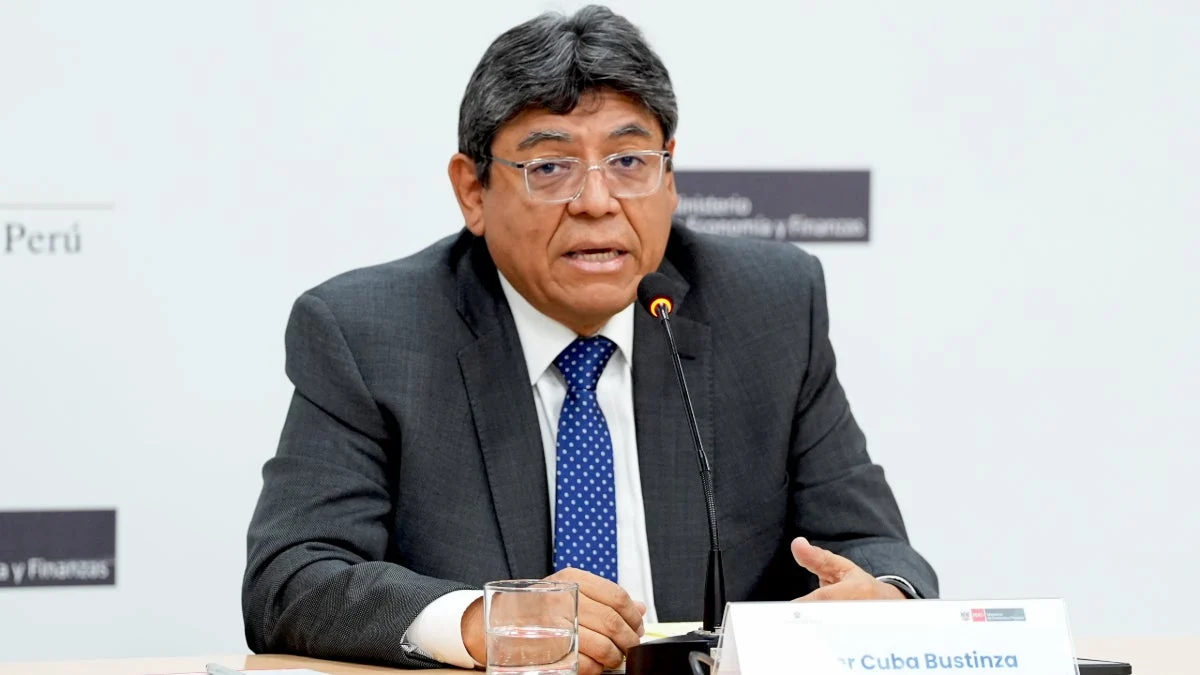
Recognizing that the standard operating procedures were insufficient to navigate the disaster-stricken infrastructure, Minister Guillermo Shinno Huamaní signed the ministerial resolution to bypass traditional bottlenecks, authorizing immediate extraordinary measures to restore the flow of energy to the south.
Supporting Data and Logistical Challenges
The reliance on road transport for LPG in Peru is a significant structural vulnerability. Unlike countries with extensive pipeline networks, the Peruvian south depends almost entirely on "road trains"—heavy-duty trucks traversing the Pan-American Highway and the Interoceanic Highway.
The Anatomy of the Supply Chain
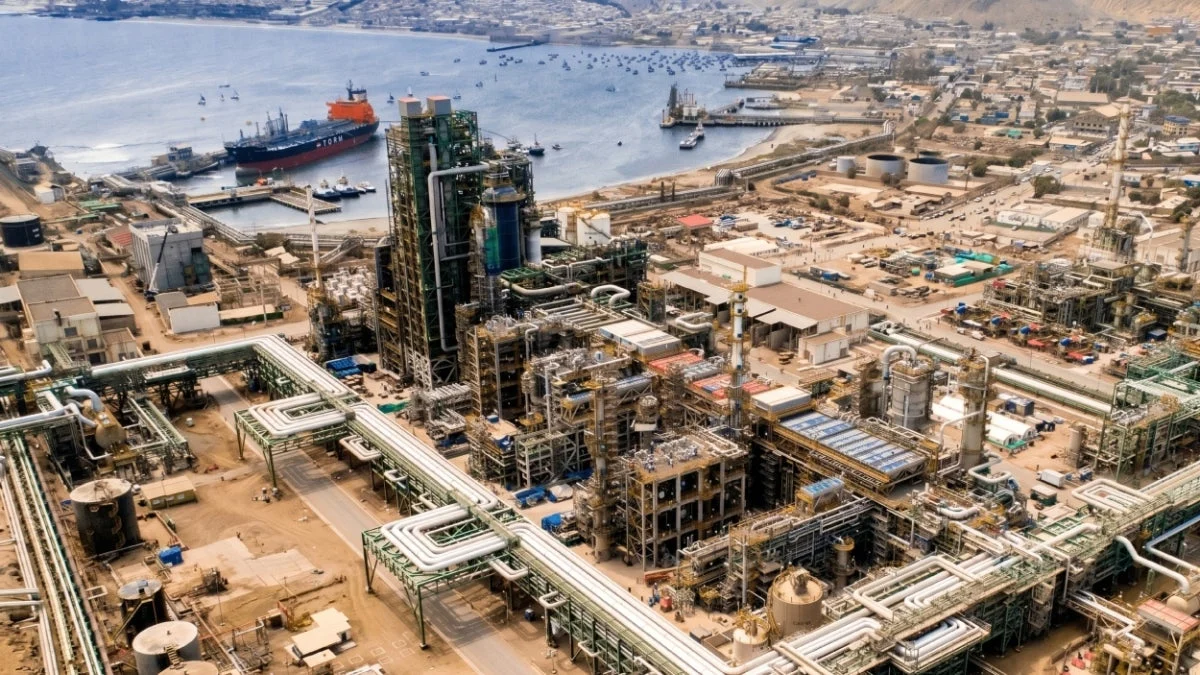
- The Hubs: The vast majority of the country’s LPG is processed in the coastal facilities of Pisco and Callao.
- The Bottlenecks: The transit route involves crossing high-altitude mountain passes where the terrain is prone to geological instability during the rainy season.
- The Impact Metrics: A single day of closure on the main artery between Arequipa and Cusco results in a deficit of approximately 15,000 to 20,000 gallons of fuel reaching the retail market.
With five major regions affected, the daily shortfall creates a compounding effect. Each day the roads remain closed, the reserve stocks in regional storage facilities are depleted, leading to a "cascading failure" where even secondary, unaffected routes cannot compensate for the lack of primary inflow.
Official Responses and Regulatory Flexibility
Ministerial Resolution N° 360-2026-MINEM/DM is not merely a statement of concern; it is a legal instrument that grants the Organism for Investment in Energy and Mining (Osinergmin) significant executive powers.
Empowering Osinergmin
Under the terms of the emergency, Osinergmin has been tasked with the following:
- Regulatory Waivers: The authority to temporarily suspend specific technical requirements regarding the commercialization and safety regulations that might otherwise hinder the rapid distribution of LPG.
- Expedited Logistics: Streamlining the documentation processes for tankers that are forced to take longer, alternative routes to reach the southern regions.
- Strict Technical Oversight: While the rules are being relaxed, the resolution mandates that these exceptions must operate under "strict technical conditions." The intent is to ensure safety is not compromised while the supply lines are being restored.
Minister Guillermo Shinno Huamaní emphasized that the primary objective of these extraordinary measures is to protect the "final user." Whether it is a family in Puno needing gas for cooking or a transport operator in Tacna needing fuel to maintain public transit, the government’s priority is to ensure that basic energy services remain uninterrupted despite the ongoing climate disaster.
Broader Implications: The Future of Energy Security
The current crisis serves as a stark reminder of the limitations of Peru’s energy distribution infrastructure. Analysts suggest that this emergency will likely spark a renewed debate in the halls of Congress regarding the resilience of the southern energy grid.
Economic Repercussions
The regional economies of Arequipa and Cusco are heavily dependent on tourism, mining, and agriculture. All three industries are energy-intensive. A prolonged shortage of LPG doesn’t just affect household kitchens; it threatens the logistical support for mining operations and the transport of agricultural goods to international ports. The cost of this supply chain failure could potentially shave percentage points off the regional GDP if the emergency measures are not successful.
Infrastructure Resilience
There is a growing consensus that the government must look beyond 30-day fixes. Environmental scientists warn that due to climate change, the intensity of rainy seasons in the Andean region is likely to increase. This suggests that the "extraordinary measures" taken this year may become the "standard operating procedure" in the future unless there is significant investment in:
- Decentralized Storage: Increasing the storage capacity in southern regions to act as a buffer during supply disruptions.
- Multimodal Transport: Reducing reliance on road transport by investing in rail or regional coastal shipping for energy products.
- Infrastructure Hardening: Upgrading the critical sections of the highways that are most prone to landslides to ensure they remain open even under extreme weather conditions.
The Path Forward
As the 30-day clock begins to tick, the eyes of the nation are fixed on the southern corridor. The successful implementation of the Ministerial Resolution will be a test for the Ministry of Energy and Mines’ ability to coordinate with regional governments and private sector logistics providers.
For the people of Cusco, Puno, Arequipa, Moquegua, and Tacna, the resolution offers a glimmer of relief. However, the true success of this measure will be measured by the speed with which the tankers reach the depots and the ability of the government to restore normalcy to a region that has been left vulnerable by both nature and an aging logistical network.
The Ministry has reiterated that it remains in constant communication with regional authorities and fuel distributors. Further updates are expected as the meteorological conditions evolve and the emergency teams work to clear the primary transport arteries. Until then, the state of emergency stands as the definitive government response to a mounting energy crisis, signaling a firm commitment to maintaining the flow of fuel, regardless of the hurdles posed by the Andean landscape.