Introduction: A Call to Action for National Prosperity
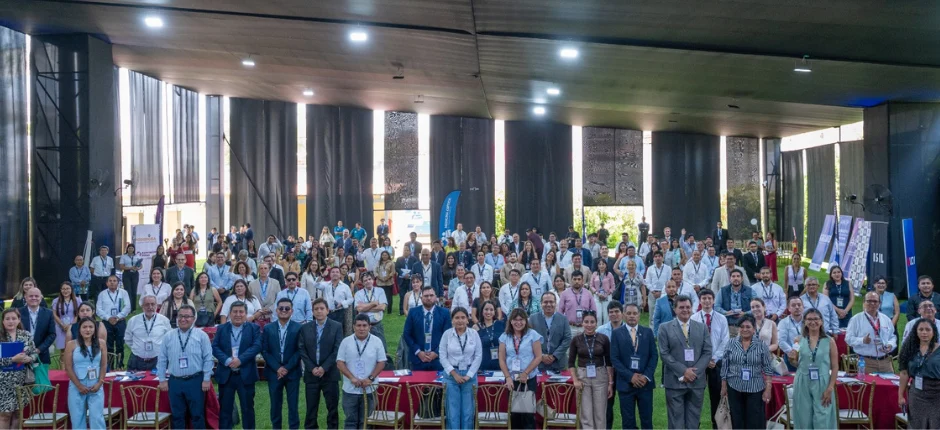
In a climate defined by economic volatility and structural challenges, the 37th Northern Business Encounter (Encuentro Empresarial del Norte) has emerged as a pivotal forum for strategic discourse. Held in the historic city of Trujillo, this year’s assembly—jointly organized by the Lima Chamber of Commerce of La Libertad and the National Confederation of Private Business Institutions (CONFIEP)—served as a clarion call for the Peruvian private sector to transition from passive observation to active, policy-shaping leadership.
At the heart of the event, Jorge Zapata Ríos, President of CONFIEP, delivered a keynote address that underscored the indispensable role of the business community in diagnosing and resolving the systemic hurdles that currently impede Peru’s national and regional development. As the nation grapples with the dual pressures of economic stagnation and institutional fragility, the consensus among participants was clear: the private sector must serve as a catalyst for reform.
The Core Mandate: Private Enterprise as a Catalyst for Development
The primary theme of the 37th Northern Business Encounter was the imperative of "active participation." Jorge Zapata Ríos articulated a vision where the business community does not merely react to government policy but helps draft the blueprint for national progress.
Addressing Structural Constraints
Zapata Ríos identified the two most formidable obstacles to Peru’s prosperity: rampant insecurity and systemic corruption. These issues, he noted, are not merely societal burdens but direct inhibitors of economic growth. By draining resources, eroding public trust, and increasing the cost of doing business, these factors prevent the country from reaching its true productive potential.
"We must be the protagonists of our own destiny; we possess the inherent strength and capacity to steer the nation toward stability," Zapata Ríos stated during his address. This sentiment reflects a broader push within the business community to move beyond the traditional lobbyist role and toward a position of proactive national governance, offering technical solutions to public policy failures.
Chronology of the 37th Northern Business Encounter
The encounter, which spanned several days of intensive workshops and plenary sessions, followed a structured agenda designed to foster collaboration:
- Day 1: The Inaugural Plenary. The opening session focused on the macro-economic outlook. Keynote speakers, including former Minister of Economy and Finance Luis Carranza Ugarte, analyzed the current fiscal environment and the necessity of maintaining investment-friendly policies.
- Day 2: Regional Synergy and Decentralization. Sessions were dedicated to the "Articulated Model," a strategy promoted by CONFIEP to strengthen the link between national bodies and regional chambers of commerce. The focus remained on how La Libertad—as a flagship region for agro-industry—can serve as a template for other provinces.
- Day 3: Strategic Proposals and Closing. The final day concluded with the drafting of a joint declaration, emphasizing the need for public-private partnerships (PPPs) in infrastructure and social development.
Supporting Data: The Power of Investment
To understand the urgency of the meeting, one must look at the data driving the conversation. The region of La Libertad serves as a microcosm of what is possible when private investment is cultivated responsibly.
The Agro-Industrial Model
La Libertad is a powerhouse of the Peruvian economy, particularly in the agro-export sector. Data presented during the conference showed that consistent investment in irrigation, technology, and supply chain logistics has transformed the region from a traditional agricultural zone into a global supplier of high-value produce.
- Poverty Reduction: The correlation between private investment in La Libertad’s agro-industrial sector and the reduction of poverty levels is statistically significant. Improved employment rates and professionalization of the labor force have uplifted thousands of households.
- Macro-Economic Impact: The export sector, bolstered by these regional successes, remains the bedrock of Peru’s balance of trade. The conference highlighted that for every dollar invested in productive infrastructure, the multiplier effect on the regional GDP is substantial, benefiting not only shareholders but the local municipal tax base.
Official Responses and Perspectives
The encounter featured a high-profile lineup of speakers who provided diverse perspectives on the path forward:
- Jorge Zapata Ríos (President of CONFIEP): Emphasized the "Federated Strength" of the business sector. He stressed that CONFIEP is shifting its focus toward a stronger, more decentralized approach, ensuring that regional chambers have the political leverage to influence local government decisions.
- Fernando Guerra Fernández (President of the Chamber of Commerce of La Libertad): Focused on the regional experience. He noted that the primary challenge for La Libertad is "infrastructure bottlenecking," and called for a renewed commitment to large-scale irrigation projects that have historically stalled due to bureaucratic inaction.
- Luis Carranza Ugarte (Former Minister of Economy): Provided the fiscal reality check. Carranza argued that fiscal discipline, combined with the removal of regulatory barriers to private investment, is the only sustainable pathway to recovering the growth rates seen in the previous decade.
- Carlos Vílchez Pella (Vice President of the Chamber of Commerce of La Libertad): Moderated discussions regarding digital transformation and the need to modernize the regional business fabric to compete in international markets.
Implications: The Road Ahead
The implications of the 37th Northern Business Encounter extend far beyond the immediate discussions held in Trujillo. The event marks a tactical pivot for the Peruvian private sector.
1. A New Political Stance
The business community is signaling that it will no longer remain silent on political corruption or the lack of public safety. By formulating independent, evidence-based proposals, the private sector is creating a "Shadow Policy" framework that the current and future governments will be forced to engage with.
2. Strengthening Regional Hubs
The emphasis on the "Articulated Model" between CONFIEP and regional chambers is designed to prevent the "Lima-centric" stagnation that has historically plagued policy-making. By empowering regional leaders, the business sector ensures that development proposals are tailored to local needs, such as the specific requirements of Northern agro-exporters versus Southern mining operations.
3. Social License to Operate
A critical takeaway from the conference was the acknowledgment that economic growth must be inclusive. The discussion regarding poverty reduction through investment suggests that the business sector is increasingly aware that its "Social License to Operate" depends on its ability to show tangible benefits to the average citizen.
Conclusion: Towards a Resilient Future
The 37th Northern Business Encounter concluded with a sense of guarded optimism. While the challenges of insecurity and corruption remain daunting, the unified front presented by CONFIEP and the regional chambers of commerce suggests a shift in the status quo.
The message from Trujillo is definitive: Peru’s development cannot be left solely to the whims of political cycles. Instead, it requires the steady, analytical, and investment-driven hand of the private sector. By focusing on productivity, regional integration, and active participation in the public square, the business community is positioning itself not just as a financial engine, but as the foundational pillar upon which a more secure and prosperous Peru can be built.
As the resolutions from this meeting are disseminated to policymakers in Lima, the nation will be watching to see if this "protagonist" strategy will yield the legislative and social changes required to jumpstart the economy. For the leaders gathered in Trujillo, the mission is clear: the path to progress is forged through unity, action, and the unyielding pursuit of economic excellence.