In a landmark move to fortify public health infrastructure in Mexico’s northwest, construction has officially commenced on the new IMSS-Bienestar Hospital in Ures, Sonora. This ambitious project, backed by a significant financial investment of nearly 500 million pesos (approximately 28 million USD), represents a cornerstone of the federal government’s strategy to expand high-quality medical access to historically underserved rural populations.
The facility is set to become a vital hub for the Rio Sonora region, promising to transform the healthcare landscape for 60,000 local residents. By centralizing specialized care and modernizing diagnostic capabilities, the hospital aims to bridge the gap between rural necessity and urban-standard medical services.
Main Facts: A Hub for Preventive Medicine
The primary objective of the Ures IMSS-Bienestar Hospital is to shift the regional health paradigm from reactive treatment to proactive, preventive care. The centerpiece of the facility is an advanced, state-of-the-art laboratory designed to serve as a nerve center for regional health monitoring.
Key Project Specifications:
- Total Investment: ~500 million pesos ($28 million USD).
- Contractual Award: 452.3 million pesos awarded to the RECSA and ASCH consortium.
- Target Population: 60,000 residents across the Rio Sonora region.
- Strategic Focus: Strengthening epidemiological surveillance, early detection of chronic conditions, and improving diagnostic response times.
The inclusion of a cutting-edge laboratory is not merely a logistical addition; it is a strategic maneuver. By enhancing the ability of health authorities to identify risk factors in their nascent stages, the hospital is expected to significantly reduce the long-term burden of chronic illnesses such as diabetes, hypertension, and respiratory diseases that have disproportionately impacted the local demographic.
Chronology of the Project
The journey toward the realization of the Ures facility reflects a methodical approach to infrastructure development, moving from policy formulation to physical execution.

Phase 1: Planning and Feasibility (2025)
Following the identification of the Rio Sonora region as a priority area for health infrastructure investment, state and federal authorities conducted a comprehensive assessment of existing medical facilities. The study revealed significant gaps in diagnostic capacity and patient intake, leading to the proposal of a new, centralized hospital complex.
Phase 2: The Bidding Process (Early 2026)
The project underwent a rigorous public bidding process to ensure transparency and cost-effectiveness. The competition attracted major national firms, ultimately resulting in the selection of the consortium formed by RECSA and ASCH. This partnership was chosen based on their technical capabilities and previous track record in executing complex public works projects within budget and schedule.
Phase 3: Breaking Ground (August 2026)
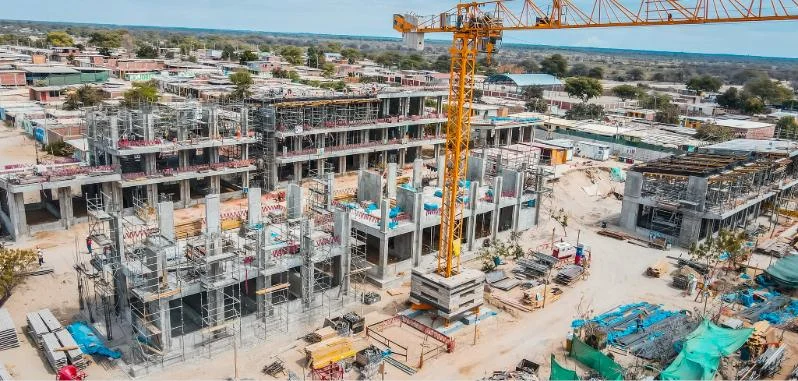
With the administrative hurdles cleared and contracts signed, officials held the official "first stone" ceremony in August 2026. This milestone marked the formal transition from design and planning to active construction. The site is currently being prepared for the installation of foundational structures, with heavy machinery already on-site.
Supporting Data: Economic and Social Impact
The economic impact of the Ures hospital extends beyond the immediate benefits of patient care. The project serves as an engine for regional development, injecting millions of pesos into the local economy through job creation and supply chain activation.
The Multiplier Effect
During the construction phase, the project is expected to generate hundreds of direct and indirect jobs, spanning architectural planning, civil engineering, construction labor, and administrative management. Furthermore, the operational phase will require a permanent workforce of medical professionals, specialists, nurses, and support staff, providing stable, long-term employment opportunities for local residents.

Epidemiological Strengthening
The region has historically faced challenges regarding health surveillance. By integrating this hospital into the wider IMSS-Bienestar network, the region will benefit from real-time data sharing and centralized health records. This connectivity allows for a more agile response to health crises, such as regional outbreaks or seasonal respiratory spikes, ensuring that resources are distributed where they are most urgently needed.
Official Responses and Strategic Vision
During the groundbreaking ceremony, regional and state authorities emphasized that the hospital is not an isolated project but rather a critical component of a broader development plan for the Rio Sonora basin.
A Holistic Development Strategy
Government spokespeople highlighted that the hospital is part of an integrated "Social Recovery Plan." This plan includes:
- Environmental Remediation: Efforts to clean and restore the Rio Sonora ecosystem to ensure a healthier environment for the local population.
- Water Security: Concurrent investment in hydraulic infrastructure to guarantee the supply of safe, potable water to the municipalities within the region.
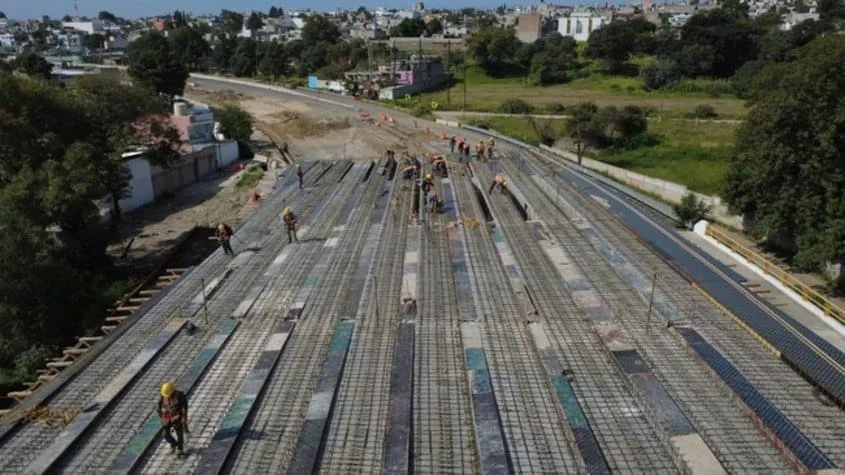
- Infrastructure Connectivity: As seen in recent developments regarding regional transportation, the hospital project is being synchronized with improvements in road and transit networks to ensure that patients from even the most isolated communities can access the facility with ease.
"This is not just about building walls and putting in equipment," stated a representative during the ceremony. "This is about restoring dignity to the people of the Rio Sonora. We are building a future where healthcare is a right, not a luxury of the city."
Implications: The Future of Rural Healthcare in Mexico
The construction of the IMSS-Bienestar Hospital in Ures serves as a case study for the current administration’s push toward universal health coverage.

Addressing Structural Inequality
For decades, rural populations in Northern Mexico have had to travel long distances to urban centers like Hermosillo to receive specialized treatment. This "distance gap" often resulted in delayed diagnoses and higher mortality rates. By decentralizing medical infrastructure, the government is effectively reducing the "cost of distance" for the most vulnerable families.
Sustainability and Maintenance
A critical question for projects of this magnitude is long-term sustainability. The reliance on the IMSS-Bienestar model—a hybrid system designed to integrate federal resources with local management—is intended to provide a more sustainable funding stream. By linking the hospital to the national IMSS framework, the facility gains access to standardized supply chains, pharmaceutical distribution, and specialized training programs for its staff, ensuring that the level of care does not degrade over time.
A Model for Future Projects
If the Ures project succeeds in its objectives, it will likely serve as a blueprint for similar initiatives across Mexico. The combination of public-private partnerships, a focus on preventive diagnostics, and integration into a broader regional recovery plan provides a scalable model that could be replicated in other regions facing similar demographic and geographical challenges.
Conclusion
The initiation of the IMSS-Bienestar Hospital in Ures is a milestone of progress for Sonora. As the steel and concrete rise, so does the hope of the local population for a safer, healthier future. While the path to completion will require careful oversight and continued funding, the initial steps taken by the RECSA-ASCH consortium and the federal government signal a robust commitment to public health.
As construction progresses through the coming months, the region will be watching closely, not just for the completion of the building, but for the tangible improvements in quality of life that the new facility promises to deliver. With the integration of water security, environmental restoration, and modern medical technology, Ures is poised to become a benchmark for rural development in the 21st century.