By [Your Name/Journalist Desk]
The narrative surrounding youth unemployment in Peru has long been dominated by a singular, persistent myth: that young people remain out of the workforce due to a lack of ambition, insufficient training, or an unwillingness to accept entry-level roles. However, a landmark study conducted by the Lima Chamber of Commerce (CCL), with the strategic backing of the European Union, has dismantled this narrative, revealing that the primary barriers to economic inclusion are not found in the boardroom, but within the domestic sphere.
For millions of young Peruvians aged 18 to 29, the ability to secure a career is being strangled by the weight of unpaid caregiving responsibilities. As the economic landscape tightens, this report serves as a wake-up call to policymakers and the private sector: the labor market is not suffering from a lack of talent, but from an structural inability to accommodate the realities of modern household life.
The Core Findings: A Crisis of Care
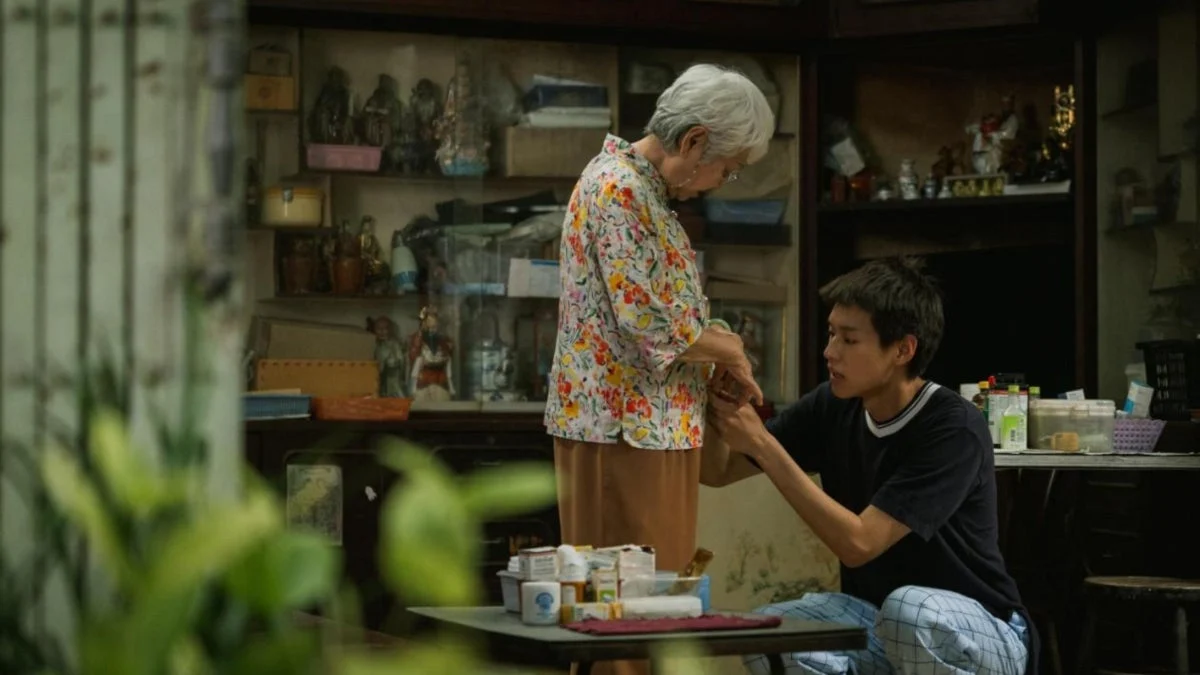
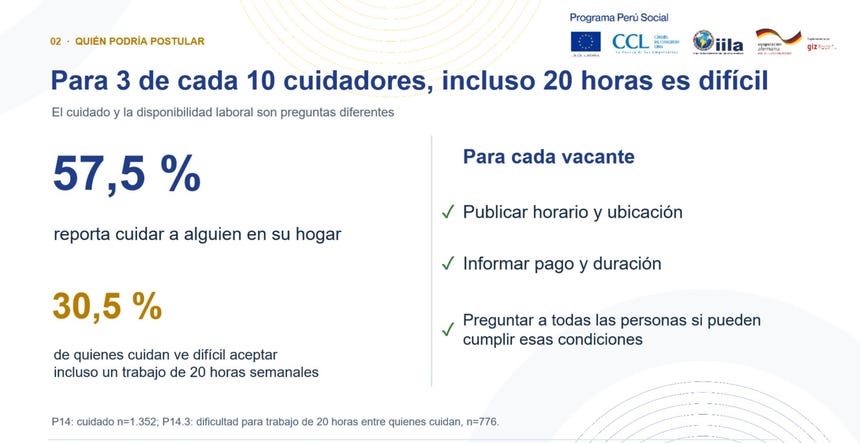
The study, which surveyed youth across eight diverse regions of Peru, paints a sobering picture of the "hidden" labor market. According to the data, 57.5% of young people in the country are currently responsible for the care of a family member—be it an aging parent, a sibling, or a child.
This is not merely a logistical inconvenience; it is a structural barrier that effectively disqualifies more than half of the youth population from the traditional 9-to-5 model. Among those engaged in caregiving, 31% explicitly stated that it is impossible for them to accept even a part-time job—defined as 20 hours per week—because their domestic duties are all-consuming.
Arístides Vara-Horna, the lead researcher behind the study, emphasizes that these figures represent a systemic failure. "The necessity to attend to other persons is a formidable barrier that affects nearly 60% of our youth. When we analyze the regional data, these care-related hurdles are even more intense in La Libertad, Arequipa, and Moquegua, where between 32% and 40% of young people are effectively barred from the labor market due to imposed domestic obligations," Vara-Horna explained.
Chronology of a Labor Disconnect
To understand how the current crisis reached this point, one must look at the evolution of the Peruvian labor market over the last decade:
- Pre-2020: The labor market operated on traditional models where "experience" was the primary gatekeeper. Youth who lacked formal employment history were deemed "unskilled," ignoring the massive informal economy where most young people gained their initial work experience.
- 2023–2024: Economic instability and rising inflation forced more families to retreat into self-reliance. With social services failing to cover the needs of the elderly and children, the burden of care shifted heavily onto the youngest members of the family unit.
- Late 2024: Recent data indicated that over 215,000 young people had completely abandoned the labor market in a single year, with 84% of those who remained employed trapped in the informal sector.
- October 2026 (Present): The CCL-European Union study provides the first comprehensive empirical evidence linking this exodus from the labor market directly to household caregiving duties, rather than a lack of desire to work.
Gender Inequality: The Structural Weight on Women
Perhaps the most alarming takeaway from the research is the disproportionate impact on young women. While caregiving duties are a burden for the youth demographic as a whole, the gendered nature of domestic work in Peru ensures that women bear the brunt of these restrictions.
"By reason of gender, women face significantly greater difficulties in securing employment, regardless of their training, their education, or their desire to work," Vara-Horna noted. "These are structural restrictions that prevent them from accessing formal jobs. Even if a young woman is highly qualified, the societal expectation that she is the primary caregiver acts as a glass ceiling before she even reaches the interview stage."
This creates a cycle of poverty and exclusion. When young women are unable to enter the workforce, they lose the opportunity to build a credit history, develop professional networks, and accumulate the experience necessary for long-term career growth.
7 Out of 10: The Myth of the "Idle Youth"
One of the most damaging stereotypes in current labor discourse is the label of "Ni-Ni" (those who neither study nor work). The CCL study challenges this label, revealing that the problem is not a lack of availability, but a lack of connectivity.
The study found that 7 out of 10 young people currently in a vulnerable situation—those without jobs and currently not enrolled in education—would be capable of entering the workforce within 15 days if provided with the right conditions. This finding obliterates the notion that these young people are "unemployable" or "lazy."
Instead, there is a profound disconnect between how companies hire and how young people exist in the economy. Companies continue to rely on traditional recruitment methods: formal CVs, professional references, and academic certifications. However, the majority of young Peruvians have built their skill sets in the informal sector—a realm that lacks the paperwork and certificates that corporate HR departments demand. This "informality gap" means that even when a young person is ready to work, they are invisible to the formal economy.
Official Responses and Strategic Implications
The findings have sent shockwaves through both the public and private sectors. The European Union, a key partner in this research, has signaled that future aid and cooperation agreements will likely emphasize the need for "care-inclusive" labor policies.
Implications for the Private Sector
For businesses, the implication is clear: the current talent shortage is self-inflicted. By failing to offer flexible work arrangements, remote options, or even support for childcare, companies are excluding a massive segment of the population that is eager to contribute. The study suggests that companies which adopt "family-friendly" or "care-flexible" policies will gain a significant competitive advantage by tapping into this previously inaccessible talent pool.
Implications for Public Policy
The government now faces a dilemma. Policies aimed at increasing employment cannot succeed if they only focus on tax incentives for hiring. They must be paired with:
- Investment in Child and Elderly Care Infrastructure: Publicly funded or subsidized care centers are no longer just a social service; they are an essential economic engine for the workforce.
- Recognition of Informal Experience: Developing systems to certify skills gained in the informal sector could help bridge the gap between talented youth and formal employers.
- Flexibility in Labor Law: Modernizing the definition of a "work day" to accommodate those with caregiving responsibilities is essential to preventing the permanent loss of human capital.
Conclusion: A Call for Systemic Reform
The study by the Lima Chamber of Commerce and the European Union has done more than just identify a problem; it has reframed the national debate. We can no longer blame the youth for being unemployed when the system itself makes it impossible for them to balance their familial duties with their professional aspirations.
The "invisible anchor" of domestic care is holding back not just the individual, but the entire Peruvian economy. As the country looks toward the future, the integration of these young people into the workforce will depend on a fundamental shift in how society views caregiving. It is not an individual problem to be solved by the youth; it is a structural challenge that requires the active participation of the state and the private sector to dismantle.
If 7 out of 10 young people are ready to start work in two weeks, the question is not "Why don’t they work?" but rather, "Why are we making it impossible for them to do so?" The path forward requires a new social contract—one that recognizes the humanity of the caregiver and creates a labor market that is truly inclusive of the realities of life in 21st-century Peru.