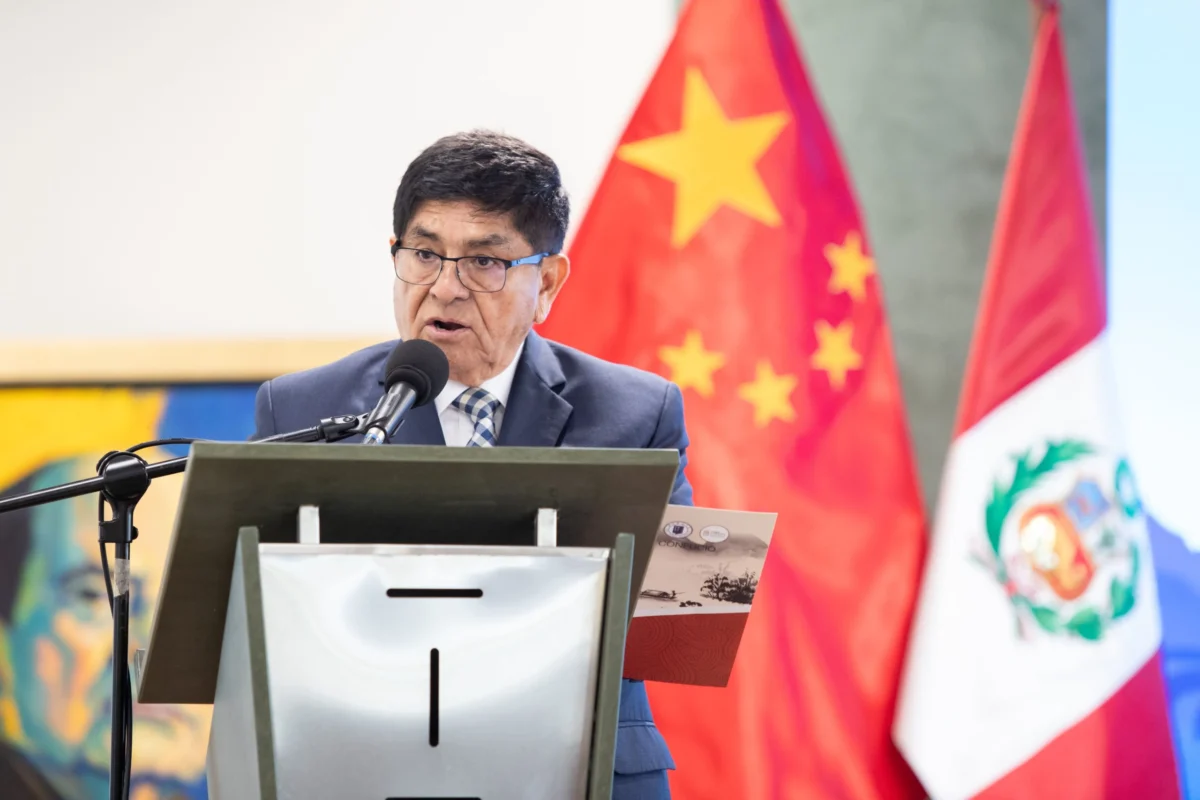
Lima, Peru – October 26, 2026 – In a significant move to address the escalating global climate anomalies and chart a course towards a sustainable energy future, China and Peru convened for the 5th Intercultural University Integration Seminar. Organized jointly by China Yangtze Power Co., Ltd. (CYPC) and the Confucius Institute of the Universidad Ricardo Palma, the event served as a crucial platform for exchanging perspectives on the multifaceted impacts of climate variability and the transformative potential of clean energy.
The seminar brought together a diverse array of stakeholders, including leading energy sector specialists, esteemed academics, government representatives, and bright young students from both nations. The discussions revolved around the political, economic, and social ramifications of climate change, China’s pioneering experience in the promotion of clean energy, the specific challenges facing Peru’s energy system, and the indispensable role of the younger generation in driving the global energy transition. This high-level dialogue underscored a shared commitment to fostering international cooperation and leveraging innovation to combat environmental challenges.
A Collaborative Vision for a Greener Tomorrow
The overarching theme of the seminar was the critical juncture humanity faces, where the transition to clean energy is no longer merely an option but a necessity in the face of unprecedented climate anomalies. This sentiment was echoed by the leadership of both sponsoring organizations, highlighting the deepening academic and cultural ties between Chinese and Peruvian universities over the past five years.
Mr. Li Guang, President of China Yangtze Power International, articulated this vision during his address. "Over the past five years, universities in China and Peru have forged an increasingly profound relationship, and spaces like this seminar are important cultural encounters. We will continue to support research, talent development, and cultural exchanges. We hope that the knowledge of universities and the creativity of young people will contribute to the development of clean energy in Peru." This statement not only emphasized the ongoing commitment to bilateral collaboration but also placed a strong emphasis on the potential of academic institutions and the youth to spearhead meaningful change.
Echoing this sentiment, Dr. Félix Romero, Rector of the Universidad Ricardo Palma, reaffirmed the institution’s dedication to higher education that actively engages with global challenges. "Talking about energy, innovation, and sustainability is no longer just talking about the future; it is talking about the decisions we must make today. Faced with the climatic anomalies that are already affecting our societies, the great challenge is to transform scientific and technological knowledge into concrete, sustainable, and applicable solutions to our realities." Dr. Romero’s words underscored the urgency and the practical imperative of translating research into actionable solutions.
Understanding the Climate Challenge: A Peruvian Perspective
The seminar delved into the immediate and tangible impacts of climate change, particularly through the insightful presentation by Pedro Gamio, former Vice Minister of Energy of Peru’s Ministry of Energy and Mines and a professor at the Pontificia Universidad Católica del Perú. Gamio’s presentation, titled "Global Climate Anomalies: Political, Economic, and Social Repercussions," provided a stark assessment of Peru’s vulnerability.
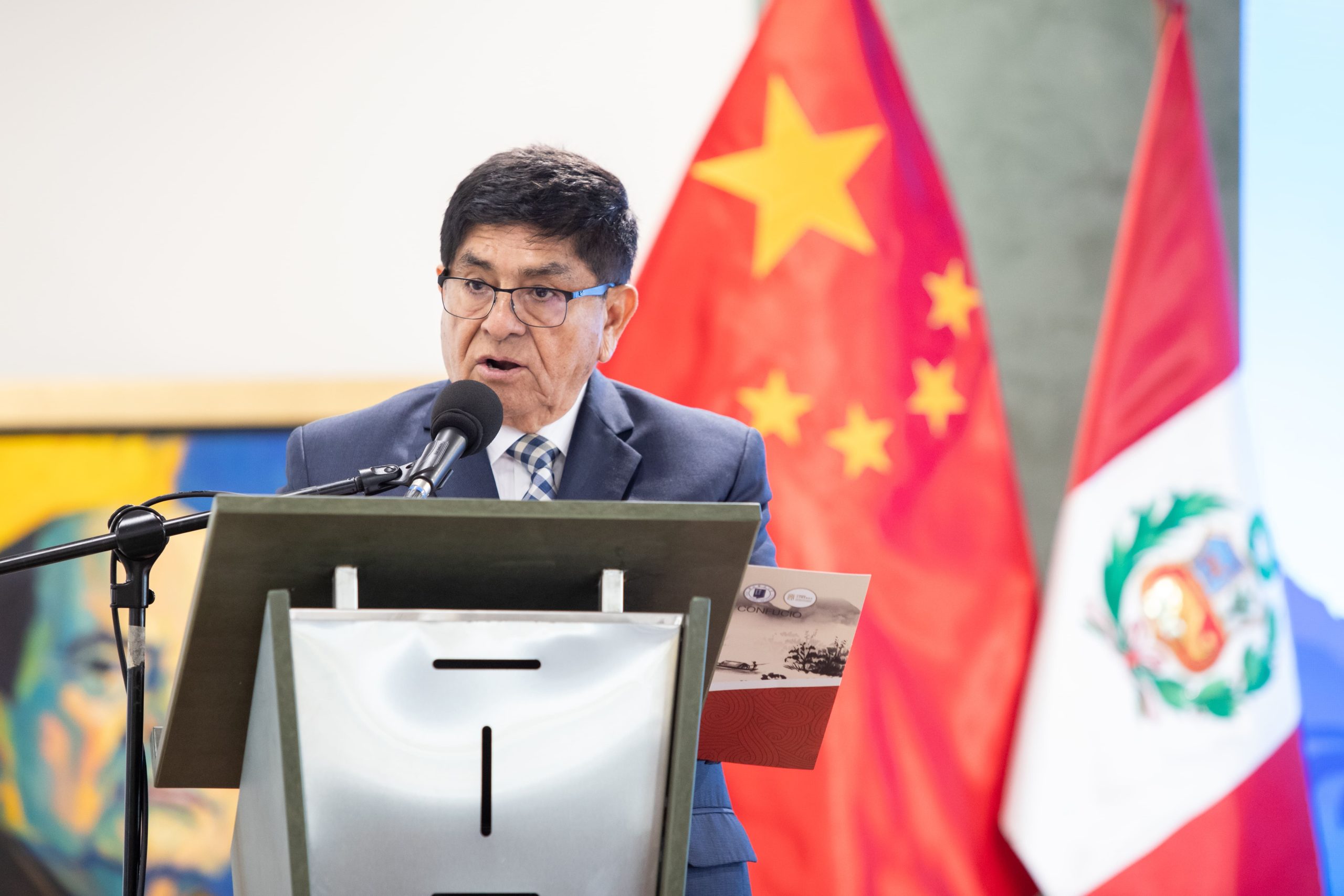
"Peru is one of the 10 most vulnerable countries to climate change, concentrating 85% of global biodiversity," Gamio stated, highlighting the country’s unique susceptibility. He further elaborated on how climate change directly impacts Peru’s energy landscape. "Climate change also forces us to rethink how we produce and manage our energy. Hydroelectricity represents about 50% of Peru’s electricity matrix, but it is already facing a reduction in its capacity due to the decrease in water flows. Therefore, moving towards a more diversified, efficient, and renewable energy matrix is not only an opportunity for energy transition but a necessity to strengthen our energy security in the face of an increasingly variable climate." This statement underscored the critical need for Peru to diversify its energy sources beyond its current heavy reliance on hydropower, which is becoming increasingly precarious due to altered rainfall patterns.
China’s Decades-Long Journey Towards Clean Energy Leadership
The seminar also provided a comprehensive overview of China’s remarkable transformation in its energy sector. Chai Qimin, Director of Strategic Planning at China’s National Climate Strategy Center and a researcher at Tsinghua University, shared China’s experience via a video presentation titled "Our Energy Future: Climate, Development, and China’s Transition to Clean Energy."
Qimin detailed the significant shift in China’s energy structure over the past decade, marked by a substantial reduction in the proportion of coal. "Currently, the participation of non-fossil fuels has increased from 12% to 22% in ten years," he reported. He further elaborated on the evolving energy consumption patterns: "Traditionally, in final consumption in sectors such as industry, construction, and transportation, four forms of energy were mainly used: coal, oil, gas, and electricity. Now, the direct use of coal, oil, and gas is gradually decreasing, while electrification is rapidly increasing, which has currently reached 30%. The goal set by China for 2050 is to possibly reach 70% or even more than 75%." This trajectory illustrates China’s ambitious commitment to decarbonization and its proactive approach to embracing cleaner energy alternatives.
Navigating Peru’s Energy Transition: Challenges and Opportunities
The complexities of Peru’s energy system and the path forward were critically examined by Kehan Wang, a researcher at the Center for China Studies and the Asia-Pacific. His presentation, "Peru’s Next Energy Challenge: Ensuring Reliable Electricity Supply While Accelerating the Transition to a Cleaner Energy Mix," offered a nuanced perspective on the country’s current situation and future aspirations.
Wang highlighted Peru’s significant renewable energy potential, stating, "Peru has abundant solar and wind resources." However, he also pointed out the inherent advantages of China’s position: "while China possesses technology, financing, and a significant presence in our electricity sector." This contrast sets the stage for mutually beneficial cooperation.
Wang’s analysis revealed the persistent challenges within Peru’s energy matrix: "the Peruvian energy transition remains incomplete: hydroelectricity and natural gas account for nearly 90% of electricity generation, while the participation of solar and wind power continues to be small. The challenge is to create clear rules, adequate incentives, and a sustained policy that allows the cooperation between China and Peru to translate into new renewable capacity, better services, and opportunities for more people." This call for a clear policy framework and robust incentives underscores the importance of governmental support and strategic planning to unlock the full potential of renewable energy in Peru.
Electrifying Mobility: Luz del Sur’s Pioneering Efforts
A compelling case study on the practical application of clean energy was presented by Renzo Li Sing, Manager of Development and Strategic Planning at Luz del Sur. His presentation focused on initiatives related to investment in clean energy and the promotion of electric vehicles (EVs). Li Sing highlighted the significant environmental burden of transportation in Peru’s capital, stating, "58% of air pollution in Lima and Callao comes from the automotive fleet," emphasizing the detrimental consequences of relying on fossil fuels.
In response, Luz del Sur has been actively developing an electromobility program since 2022, demonstrating a substantial commitment with an investment exceeding US$5 million to date. Their fleet has reached 400 vehicles, with an impressive 84% being fully electric. "We want to reach 100% electrification by 2030," Li Sing declared, outlining an ambitious timeline. He further elaborated on the economic advantages: "Vehicles are better in operation: electricity is 60% cheaper than diesel, and maintenance costs are 70% cheaper than combustion vehicles."
The company’s commitment extends to building a robust charging infrastructure to support the expansion of EVs. Luz del Sur has established charging stations in key districts of Lima and San Vicente de Cañete, featuring fast chargers capable of up to 120 kW. This infrastructure is designed to serve both the company’s fleet and the wider public. Li Sing proudly reported that their electric fleet has collectively traveled over 4.2 million kilometers without tailpipe emissions, preventing the consumption of approximately 122,000 gallons of fossil fuels. "This transition to electromobility represents about a 60% saving in operational costs compared to traditional combustion vehicles and has avoided the direct emission of over 875 tons of CO2. We demonstrate that electrifying transport with 100% renewable energy produced in the country is both an economic and environmental success," he concluded.
Empowering the Next Generation: Youth in the Energy Transition
The seminar also provided a platform for emerging voices, with Milton Peña, an Electronic Engineering student at the Universidad Ricardo Palma and a recipient of the CTG-2025 Scholarship, participating in a round table discussion. Alongside other distinguished panelists, including Renzo Li Sing, Pedro Gamio, and Carlos Bessombes (Director of the media outlet Índice), Peña contributed to a dynamic discussion on "Global Climate Variability and the Promotion and Application of Clean Energies."
The consensus among the panelists was clear: the transition to a cleaner and more diversified energy matrix is an unavoidable imperative in the face of climate variability and Peru’s energy security challenges. The discussion emphasized the critical need to stimulate investments, foster innovation, and adopt new technologies. Furthermore, the importance of strengthening cooperation between Peru and China was reiterated as a key strategy to capitalize on the immense opportunities presented by renewable energy sources. This inclusion of a student perspective underscored the seminar’s commitment to intergenerational dialogue and the vital role of youth in shaping a sustainable future.
The 5th Intercultural University Integration Seminar concluded with a renewed sense of optimism and a strengthened commitment to bilateral collaboration. By fostering open dialogue, sharing valuable expertise, and identifying concrete pathways for cooperation, China and Peru have taken significant strides towards addressing the urgent global challenge of climate change and accelerating the transition to a clean, sustainable, and prosperous energy future. The lessons learned and the partnerships forged at this event are poised to have a lasting impact on both nations and contribute to the broader global effort towards environmental stewardship.