The Peruvian government’s recent decision to increase the national minimum wage from S/ 1,130 to S/ 1,230, effective October 1, has ignited a fierce debate among the country’s leading economic minds. While the executive branch frames the measure as a necessary adjustment to support families against the rising cost of living, prominent analysts are divided on the long-term structural consequences of this policy.
As the administration moves forward with the first of a planned series of adjustments, the move has drawn sharp criticism from those who fear a deepening of the "populist cycle," while others view it as a long-overdue correction in a high-inflation environment.
The Core Facts: Understanding the Adjustment
The official decree mandates a S/ 100 increase in the Remuneración Mínima Vital (RMV). This change represents the first upward adjustment in nearly two years, following a period where inflation and global economic instability have eroded the purchasing power of the average Peruvian household.
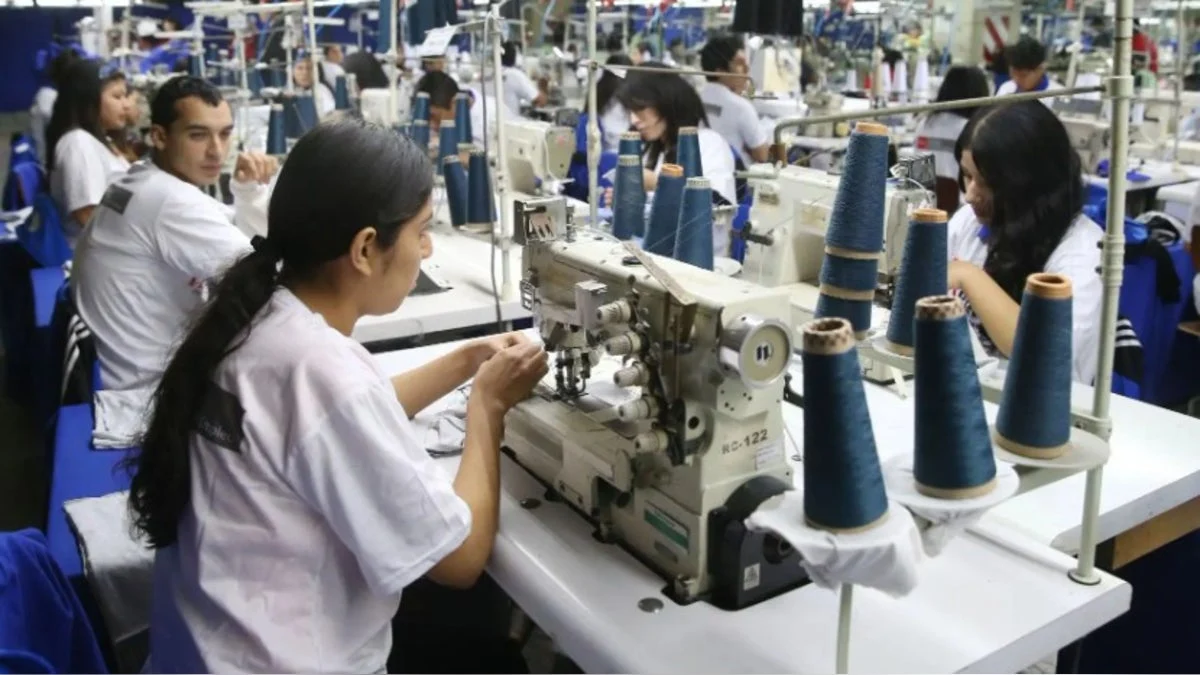
The decision is expected to directly impact between 500,000 and 700,000 workers currently earning the minimum legal salary. However, the scope of this measure is limited by the reality of the Peruvian labor market, where a significant portion of the workforce operates outside of the formal registry.
A Chronology of Economic Pressure
To understand the timing of this increase, one must look at the timeline of the Peruvian economy since early 2025:
- January 2025: The last formal adjustment to the minimum wage was implemented. Since that time, the country has navigated a complex landscape of fluctuating food prices, energy costs, and service inflation.
- Early 2026: Economic indicators suggested that the real income of low-wage earners had significantly depreciated. Pressure mounted on the Ministry of Labor to provide relief to the working class.
- August 2026: Speculation grew regarding a potential jump to S/ 1,300, though Minister of Labor Juan Sheput maintained that no definitive date for a total increase had been set, signaling a cautious, staggered approach.
- Late September 2026: The government officially confirmed the S/ 100 increment, aiming to balance political pressure with macroeconomic stability.
- October 1, 2026: The new salary floor of S/ 1,230 comes into force across all sectors.
The Critical Perspective: David Tuesta’s Warning
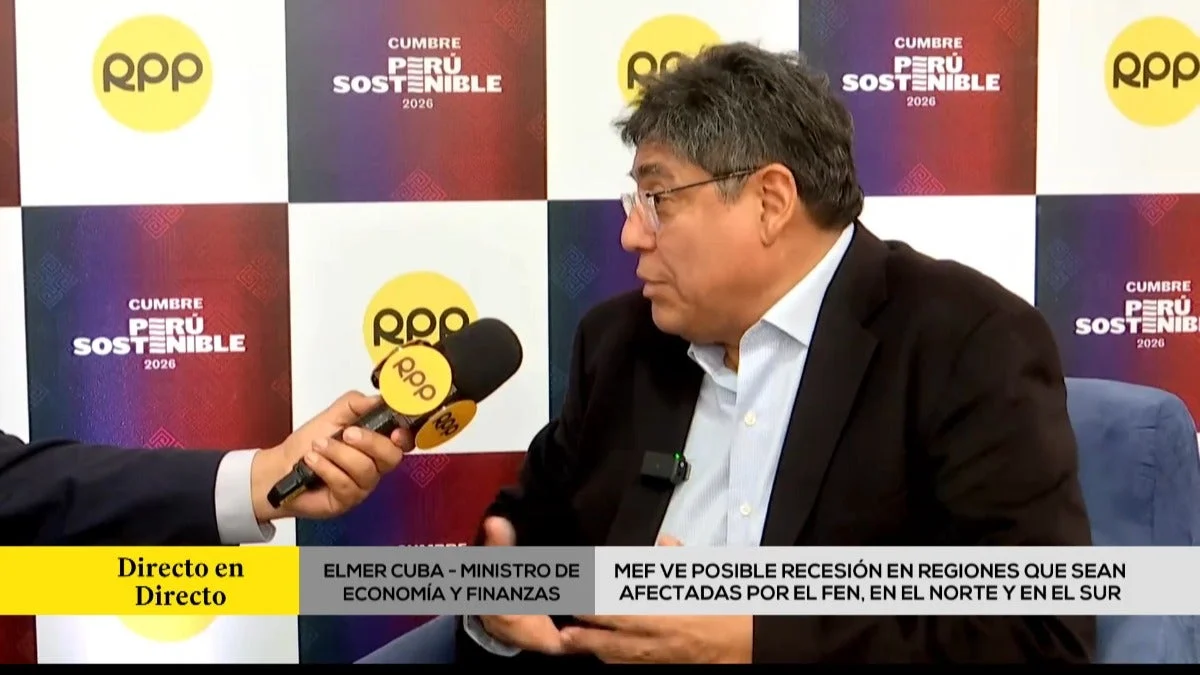
Former Minister of Economy and Finance David Tuesta has emerged as the most vocal critic of the policy. In an interview with RPP, Tuesta did not mince words, labeling the increase a "terrible policy" and a hallmark of structural populism.
The Myth of Universal Impact
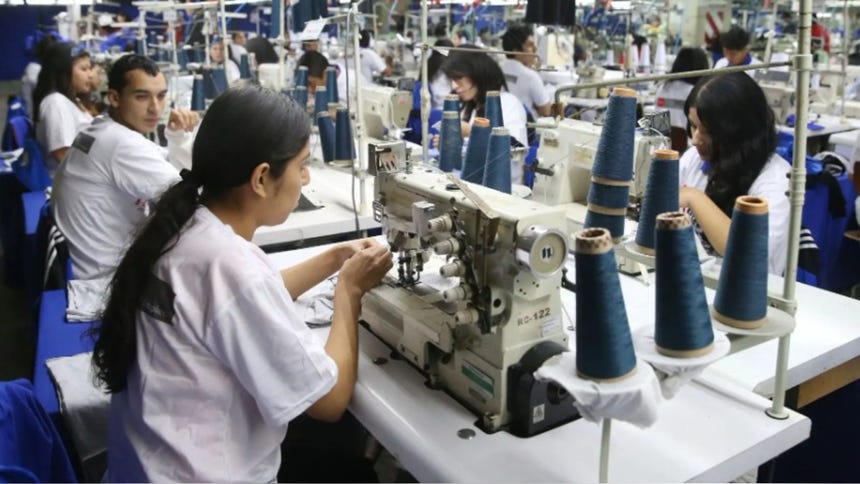
Tuesta argues that the government’s rhetoric ignores the structural limitations of the Peruvian labor market. "Only 25% of the Economically Active Population (PEA) works in formal conditions on the payroll," Tuesta noted. By focusing on the minimum wage, the government is essentially ignoring the vast majority of the workforce who are informal or self-employed and who will see no benefit from this decree.
Productivity and Structural Failures
Tuesta’s critique extends beyond the wage itself, pointing to the underlying issue of low labor productivity. He argues that wages are a reflection of the value produced by the worker, and that current educational and industrial systems in Peru have failed to bridge the gap between worker skill sets and the demands of modern, large-scale enterprises.
The Threat to Micro and Small Businesses
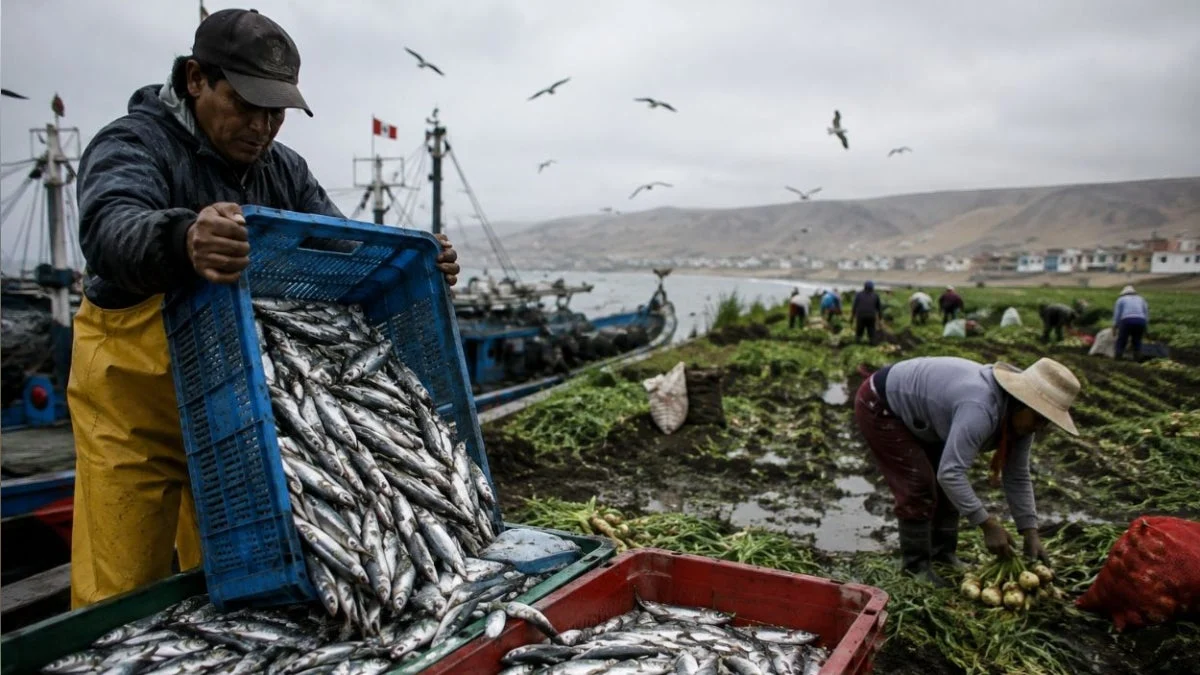
Perhaps the most alarming element of Tuesta’s analysis is the potential for job destruction. Drawing on data from the Central Reserve Bank of Peru (BCR), he projects that this mandate could lead to the loss or non-creation of approximately 80,000 jobs. While large corporations—which generally pay above the minimum wage—will be unaffected, the brunt of the burden will fall on Micro, Small, and Medium Enterprises (MSMEs). These businesses operate on thin margins and are the most sensitive to sudden labor cost spikes.
The Defense: Jorge González Izquierdo’s Analysis
On the opposite end of the spectrum, economist and Universidad del Pacífico professor Jorge González Izquierdo views the measure as a pragmatic necessity rather than a political gimmick.
Compensating for Lost Purchasing Power
González Izquierdo characterizes the S/ 100 increase as a "repossession" of value. He argues that after two years of inflationary pressure, the real income of those earning the minimum wage had plummeted. From his perspective, the increase is not an "excessive" wage hike but a compensatory adjustment intended to restore the status quo of 2025.
Dismissing Fears of Economic Collapse
When asked about the potential for mass layoffs or a surge in the informal economy, González Izquierdo was dismissive. "This increase of 100 soles should not produce major negative effects," he stated. He suggests that the incremental nature of the adjustment is small enough that it will not trigger the catastrophic outcomes predicted by critics. He specifically countered the idea that this would cause a significant spike in inflation, noting that the increase is targeted at a specific segment of the workforce and is not a broad-based economic stimulus that would overheat the market.
The Implications for Peru’s Labor Market
The debate between Tuesta and González Izquierdo highlights the fundamental dilemma facing the Peruvian government: how to improve the quality of life for the most vulnerable citizens without stifling the very enterprises that provide employment.
The Risk of Informalization
A primary concern for policymakers is the "informalization effect." If the cost of formal labor exceeds the revenue generated by a small business, owners are faced with three choices: raise prices (fueling inflation), cut staff (increasing unemployment), or move their operations into the informal sector (evading taxes and labor regulations). If a significant number of businesses choose the latter, the government’s efforts to formalize the economy will suffer a major setback.
The Political Economy of Wages
Ultimately, this decision is as much about political survival as it is about economics. The current administration, facing pressure from labor unions and the public, needed to provide a tangible sign of progress. However, by choosing a "middle ground" approach, the government has left itself open to criticism from both sides: some say the increase is too little to alleviate poverty, while others claim it is enough to discourage investment.
Conclusion: A Delicate Balancing Act
The S/ 100 increase to S/ 1,230 represents a precarious attempt to manage inflation while maintaining social order. Whether this policy proves to be a modest relief for the working class or a catalyst for structural labor challenges remains to be seen.
As of October 1, the impact of the policy will begin to permeate the national economy. Economists will be watching the labor participation rates and the formalization statistics closely over the coming months. If, as Tuesta warns, job creation slows significantly, the government may find itself forced to pivot toward structural reforms in education and productivity rather than relying on wage decrees. If, however, as González Izquierdo posits, the economy absorbs the change without significant friction, the administration may feel emboldened to continue its staggered approach to minimum wage adjustments.
The path forward for Peru is narrow. The country continues to grapple with the "vicious cycle" of populism described by critics, yet it must also address the very real, very human suffering caused by the erosion of income. This October, the government has placed its bet, and the success of that gamble will be measured not in government decrees, but in the livelihoods of hundreds of thousands of Peruvian families.