Every year, as September 21 approaches, the streets, digital storefronts, and social media feeds of Peru undergo a vibrant chromatic shift. The "Day of the Yellow Flowers" has evolved from a niche reference in Argentine pop culture into a formidable economic engine for the nation’s agricultural sector. What began as a romantic gesture inspired by the series Floricienta has matured into a sophisticated commercial phenomenon, creating a surge in demand that sustains thousands of rural families and highlights the strategic importance of Peruvian floriculture.
The Main Facts: A Digital Phenomenon with Real-World Impact
The trend, which encourages the gifting of yellow flowers to partners, friends, and family, has become one of the most anticipated dates in the Peruvian retail calendar. While the origins are rooted in nostalgia and social media virality, the economic consequences are tangible.
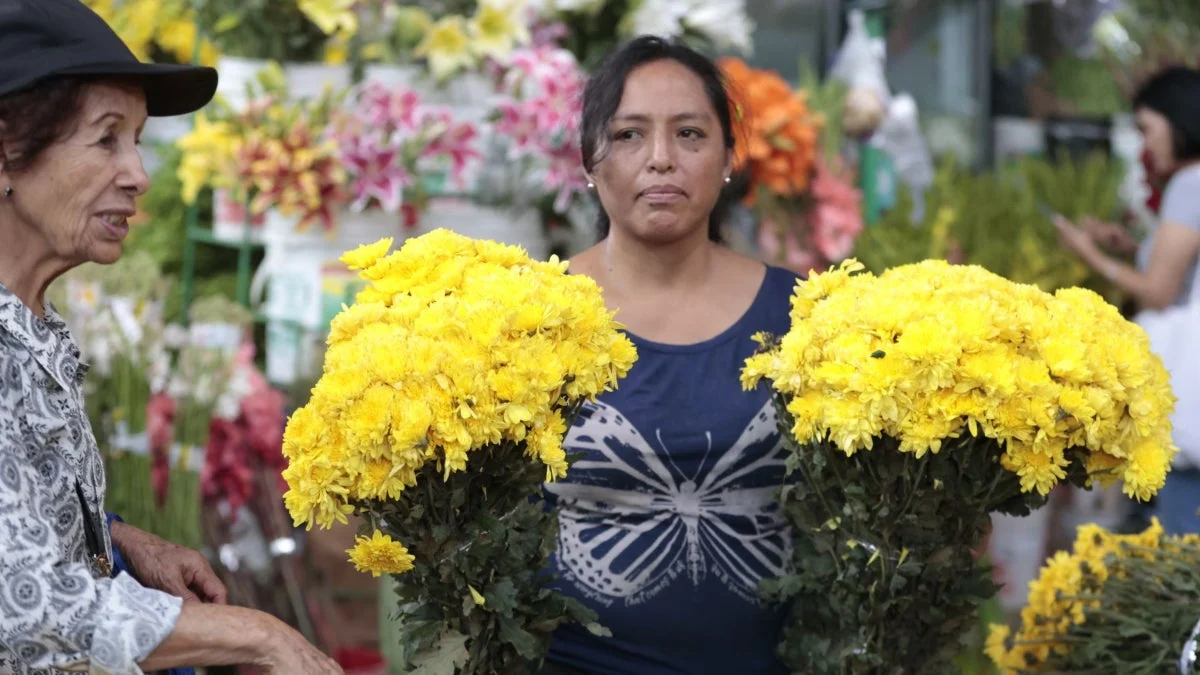
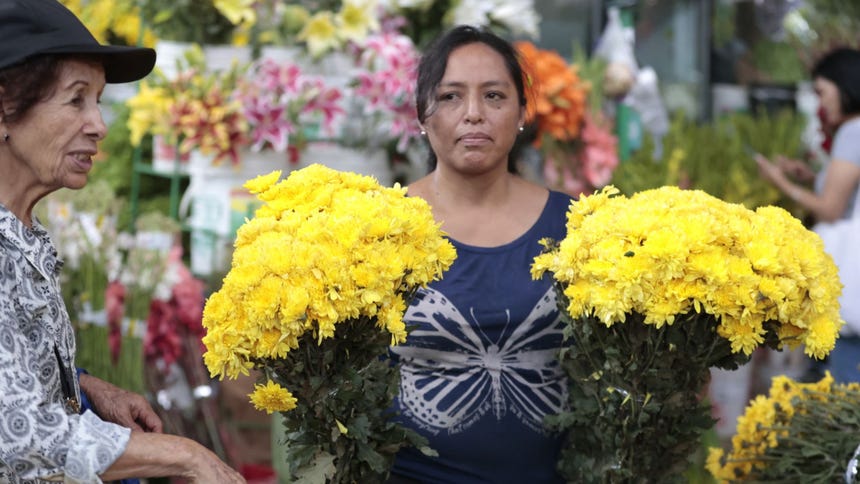
This year, the surge in demand for yellow-hued blooms—primarily sunflowers, yellow roses, and lilies—has pushed logistics networks to their absolute limit. Digital delivery platforms have become the primary conduits for this seasonal shopping frenzy. According to recent data from Rappi, the impact on delivery services is nothing short of exponential: while the entire month of September sees a significant uptick in floral sales, the 21st alone witnesses a staggering 2,000% increase in orders compared to a typical day.
The phenomenon is no longer confined to the capital, Lima. Major urban centers including Arequipa, Trujillo, Chiclayo, and Piura have reported a combined 72% growth in floral deliveries compared to the same period last year. This widespread adoption suggests that the "Yellow Flower" movement has successfully integrated itself into the fabric of Peruvian social customs, proving that cultural trends can act as powerful catalysts for regional economic stimulation.
Chronology: From Television Screen to National Custom
To understand the current scale of this industry, one must trace the evolution of the trend.
- Early 2000s: The Argentine television series Floricienta gains massive popularity across Latin America. The show features a central plot point where the protagonist expresses her dream of receiving yellow flowers from her love interest.
- 2015–2020: With the rise of TikTok and Instagram, the "yellow flower" concept is rediscovered by a new generation of digital natives. The theme song and specific clips from the show begin to circulate on social media, turning the act of gifting yellow flowers on September 21 into a symbolic gesture of "happily ever after" or a declaration of love.
- 2022: The trend reaches critical mass in Peru. Local florists and small businesses report unprecedented shortages as social media pressure turns the day into a "must-participate" event.
- 2023–2024: The industry shifts from a reactive state to a proactive one. Growers, distributors, and delivery apps begin coordinating months in advance to ensure supply chains can handle the massive influx of orders.
- 2025–2026: The date is now officially recognized as a "peak season" for the agricultural sector. Midagri (Ministry of Agrarian Development and Irrigation) begins tracking the economic impact of the day as a legitimate indicator of market health for small-scale floriculturists.
Supporting Data: The Anatomy of a Blooming Market
Behind the romantic gesture of a bouquet lies a complex agricultural supply chain. Peru’s floriculture sector is a labor-intensive industry that provides a critical livelihood for thousands of rural households.
The Cultivation Landscape
According to the latest available data, the domestic production of flowers is anchored by a vast network of over 6,700 producers. These farmers cultivate a diverse range of species that are essential not only for the September 21 rush but for the country’s year-round floral needs.
Key production statistics include:
- Sunflowers: Roughly 70 hectares dedicated to this iconic yellow bloom.
- Gladiolus: A substantial 574 hectares.
- Roses: 243 hectares.
- Alstroemerias: 76 hectares.
The cultivation process is highly labor-intensive, requiring between 5 and 8 workers per hectare. Notably, the industry is a major employer of women, who account for over 50% of the workforce in these fields. This creates a significant gender-equity impact in rural areas, where formal employment opportunities can otherwise be scarce.
Regional Distribution
The agricultural heart of this industry beats in regions such as Áncash, Junín, Cajamarca, Huánuco, and Lima Provinces. Other key hubs include Ica, Arequipa, Cusco, and San Martín. The geographical diversity of these farms allows for a steady supply chain that can respond to regional demands, though the pressure of September 21 often requires inter-regional cooperation to meet the massive urban demand in cities like Lima.
Official Responses and Industry Perspectives
Market analysts and government officials are increasingly viewing this trend as a success story in the integration of agriculture and e-commerce.
Alonso Palomino, Head of E-commerce at Rappi Peru, notes that the success of the trend lies in the "on-demand" nature of modern life. "The demand for flowers has found a perfect space within the delivery ecosystem because it addresses a very specific need: the desire to surprise and express affection quickly and easily," Palomino explains. "The September 21 phenomenon perfectly illustrates how modern consumers are actively incorporating new occasions into their calendars to celebrate and connect."
From the perspective of the Ministry of Agrarian Development and Irrigation (Midagri), the trend is a welcome boost for the rural economy. Officials emphasize that the floriculture sector is not merely about aesthetic pleasure; it is a vital contributor to the national economy, offering permanent employment in regions that have historically struggled with economic volatility. By leveraging these seasonal "commercial dates," the ministry hopes to encourage more investment in modern agricultural techniques that can improve yield and quality, further empowering small-scale producers.
Implications: A Sustainable Future for Peruvian Floriculture?
The transformation of September 21 into a major commercial event has significant implications for the future of the Peruvian agricultural sector.
Economic Resilience
The primary implication is the creation of a reliable "anchor date" for growers. By knowing that demand will spike on this specific day, farmers can plan their planting cycles with greater accuracy, reducing waste and optimizing their revenue. This predictability is essential for small farmers who often face the risks of market fluctuations and weather-related disruptions.
The E-commerce Shift
The integration of local flower shops into digital delivery platforms has effectively democratized access to the market. Small-town growers in Junín or Huánuco can now reach customers in the bustling neighborhoods of Lima through a smartphone screen. This digital transformation has shortened the distance between the field and the final consumer, reducing the reliance on multiple intermediaries and allowing producers to capture a larger share of the retail price.
Pricing and Accessibility
Despite the intense demand, the market has remained surprisingly accessible. While the average ticket price for a floral arrangement during this season hovers around S/65, the market has diversified to include "entry-level" options starting as low as S/39. This price tiering ensures that the trend remains inclusive, allowing a broad spectrum of the population to participate regardless of their economic standing.
Future Challenges
However, the rapid growth of the sector brings challenges. Scaling production to meet a 2,000% surge in a single day puts immense pressure on logistics. The need for improved cold-chain infrastructure is becoming increasingly apparent. To sustain this momentum, the industry must invest in better post-harvest storage and more efficient transportation networks to ensure that the quality of the flowers remains high from the farm to the recipient’s door.
Conclusion: More Than Just a Trend
The "Day of the Yellow Flowers" is no longer just a trend born of a television show; it is a cornerstone of the modern Peruvian floral economy. It has proven that when a cultural sentiment is met with the efficiency of modern logistics, it can foster significant economic development.
As Peru continues to celebrate this day, the real winners are the 6,700+ producers whose hard work in the fields of Áncash, Junín, and beyond ensures that thousands of bouquets reach their destinations. For these farmers, the "Yellow Flower" movement is not just a passing social media craze—it is a vital, recurring opportunity to thrive in a globalized, digital market. As long as the sentiment of affection remains a priority for the Peruvian consumer, the fields of Peru will continue to bloom in shades of gold every September.