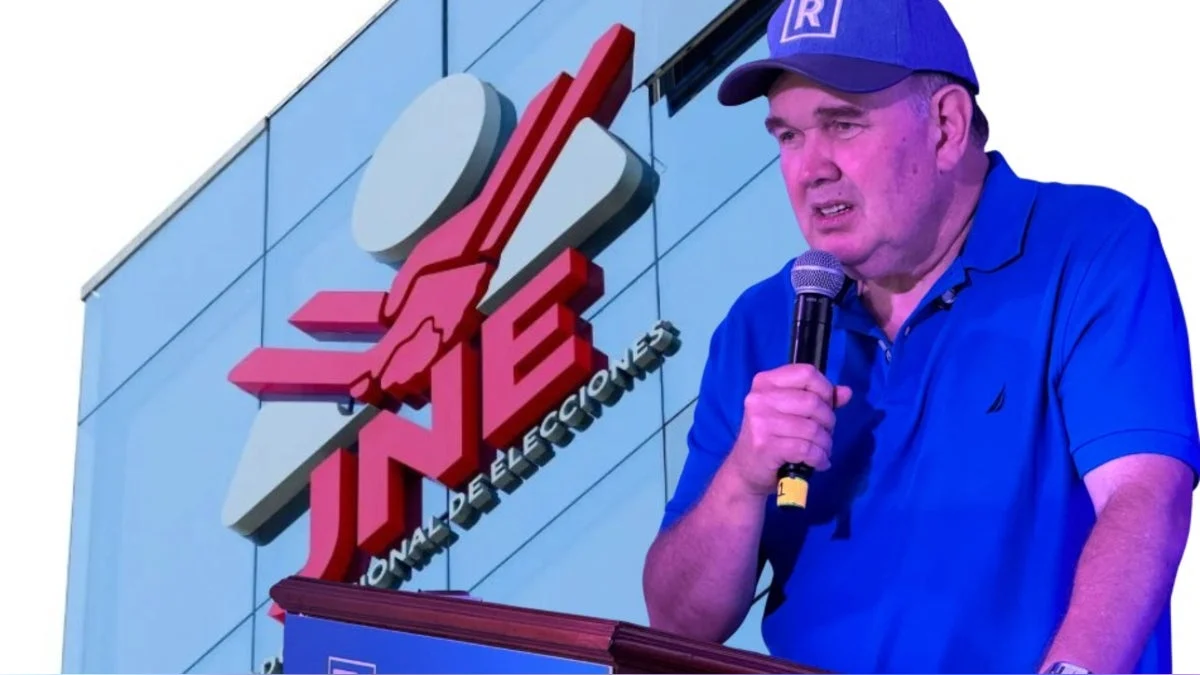
The campaign for the Metropolitan Municipality of Lima has reached its most critical juncture. With less than two weeks remaining before the regional and municipal elections scheduled for October 4, the electoral landscape is set to shift as the Jurado Nacional de Elecciones (JNE) kicks off the official two-day debate cycle. This Monday, September 21, the first group of candidates will take the stage, offering voters their final opportunity to scrutinize, compare, and contrast the platforms of those vying to lead the capital of Peru.
Main Facts: The Stage is Set
The debate, which serves as a cornerstone of the democratic process, is designed to bring transparency to the electoral contest. Thirteen candidates are scheduled to participate in this initial session, held at the Mario Vargas Llosa auditorium within the National Library of Peru in San Borja. The proceedings are set to commence at 8:00 p.m. local time, with a second group of 13 participants following on Tuesday, September 22.
This event is not merely a platform for speeches; it is a highly structured exercise in political accountability. The JNE has engineered a rigorous format divided into four distinct blocks, forcing candidates to move beyond rehearsed talking points and engage in direct, often confrontational, dialogue regarding the most pressing issues facing Lima, including public safety, urban mobility, and environmental sustainability.
Chronology of the Debate Structure
The JNE has meticulously mapped out the evening to ensure equity among the 26 organizations competing for the mayoral seat. The structure is divided into four thematic pillars:
Block 1: "Vision for the City"
The event opens with a segment dedicated to the broad strokes of governance. Each candidate will have exactly 90 seconds to articulate their overarching vision for Lima Metropolitan. This is a critical moment for candidates to establish their narrative identity—whether they position themselves as agents of radical reform, defenders of the status quo, or pragmatic problem-solvers.
Block 2: The Crucible of Social and Territorial Challenges
The intensity escalates in the second block, which shifts the focus to the specific challenges of social development and territorial-environmental management. To foster genuine debate, the JNE has organized the candidates into five distinct duplas (pairs) and one terna (trio).
In this format, each candidate is granted three minutes for an opening argument, followed by a mechanism for "question and counter-question." This section is expected to be the most volatile of the evening, as candidates are forced to defend their policy proposals against the direct critiques of their rivals.
Block 3: "Citizens Have the Floor"
Perhaps the most significant innovation in this cycle is the inclusion of direct input from the electorate. The "Citizens Have the Floor" block is divided into two distinct rounds. In the first, candidates must respond to inquiries submitted by the public. The JNE reports that they have received nearly 5,000 queries from across the nation, reflecting a heightened sense of urgency among the Lima electorate.
Following this, the "Sin Rodeos" (No Beating Around the Bush) round requires candidates to address a second set of questions under new pairing arrangements. This prevents candidates from becoming comfortable with a single opponent and forces them to demonstrate breadth in their knowledge across various political spectra.
Block 4: The Final Appeal
The night concludes with a final 90-second closing statement. In these final moments, candidates will attempt to solidify their connection with the undecided voter, summarizing their commitment to the city and leaving a lasting impression before the mandatory period of reflection begins ahead of the October 4 polls.
Supporting Data and Political Context
The significance of this debate cannot be overstated. Lima, a megalopolis of over 10 million inhabitants, faces systemic crises in infrastructure, crime, and administrative corruption. The 26 political organizations participating in this election represent a broad, and often fragmented, ideological spectrum.
The data provided by the JNE highlights the sheer scale of the logistical operation required to host such an event. By balancing the speaking times down to the second, the electoral authority aims to neutralize the advantage of larger, better-funded campaigns. The use of randomized pairings—involving diverse parties such as the Partido Morado, APP, and various local movements—ensures that the discourse remains dynamic and representative of the competing interests in the capital.
Official Responses and Institutional Oversight
The Jurado Nacional de Elecciones (JNE) has positioned these debates as the "gold standard" for electoral integrity. Spokespersons for the JNE have emphasized that the primary goal is to provide the electorate with the tools necessary to make an informed choice.
"The debate is a bridge between the candidate’s promises and the reality of the citizen’s daily struggle," an official statement noted. By mandating that candidates face questions from the public rather than just their opponents, the JNE is attempting to pivot the focus from political mudslinging toward tangible policy solutions.
However, the event is not without its critics. Some political analysts have expressed concern that the rigid time constraints—often limited to 90 seconds—may prevent deeper, more nuanced discussions on complex topics like long-term urban planning or fiscal reform. Despite these criticisms, the participation of all 26 organizations underscores the importance of the debate as a mandatory ritual for any serious contender for the mayoralty.
Implications for the Election
As the clock ticks down toward October 4, the performance of each candidate in these two nights will likely dictate the momentum of the final week of the campaign. For frontrunners, the objective is "damage control"—avoiding gaffes and maintaining their lead. For those trailing in the polls, the debate represents a "make-or-break" opportunity to capture the attention of the undecided, a demographic that remains unusually large in this election cycle.
The implications for the city are profound. Lima’s next mayor will inherit a series of deep-seated problems, ranging from the modernization of the transport network to the integration of vulnerable populations in peripheral districts. The discourse displayed on the stage at the National Library will provide a blueprint for how the next administration intends to tackle these issues.
Furthermore, these debates serve as a thermometer for the political health of Peru. In an era of increased skepticism toward democratic institutions, the success of this debate in providing a calm, orderly, and substantial exchange of ideas is vital. If the candidates prioritize substance over spectacle, they may succeed in restoring a degree of public trust in the electoral system.
Conclusion: A Turning Point for Lima
The Monday, September 21 debate is more than a televised event; it is the culmination of months of campaigning and the final opportunity for the public to observe their prospective leaders under pressure. Whether through their policy proposals in the "Vision for the City" segment or their ability to handle the "No Beating Around the Bush" round, candidates are now under the microscope of an electorate that is increasingly demanding accountability.
As the residents of Lima prepare to head to the polls, the eyes of the nation remain fixed on San Borja. The performances delivered over these two nights will resonate far beyond the auditorium, potentially shaping the future of the capital for years to come. In the high-stakes world of metropolitan politics, the debate is where the promises of the campaign trail meet the harsh reality of governance. The electorate now waits to see who among the thirteen will rise to the challenge.