Executive Summary
The Peruvian political landscape is currently dominated by a high-stakes legislative standoff between the executive branch, led by President Keiko Fujimori, and a fragmented but increasingly organized opposition within the Congress. At the heart of the conflict lies a request for delegated legislative powers—a constitutional mechanism that would allow the Executive to enact laws by decree on specific matters, bypassing the traditional parliamentary debate process.
Rosangella Barbarán, a prominent lawmaker from the Fuerza Popular party, has publicly alleged that a deliberate, orchestrated "consigna" (political directive) exists within opposition ranks to systematically block these requests. The impasse has effectively stalled critical economic and security reforms, raising questions about the functionality of the current administration and the limits of executive authority versus legislative oversight.
The Core of the Dispute: A "Consigna" to Block?
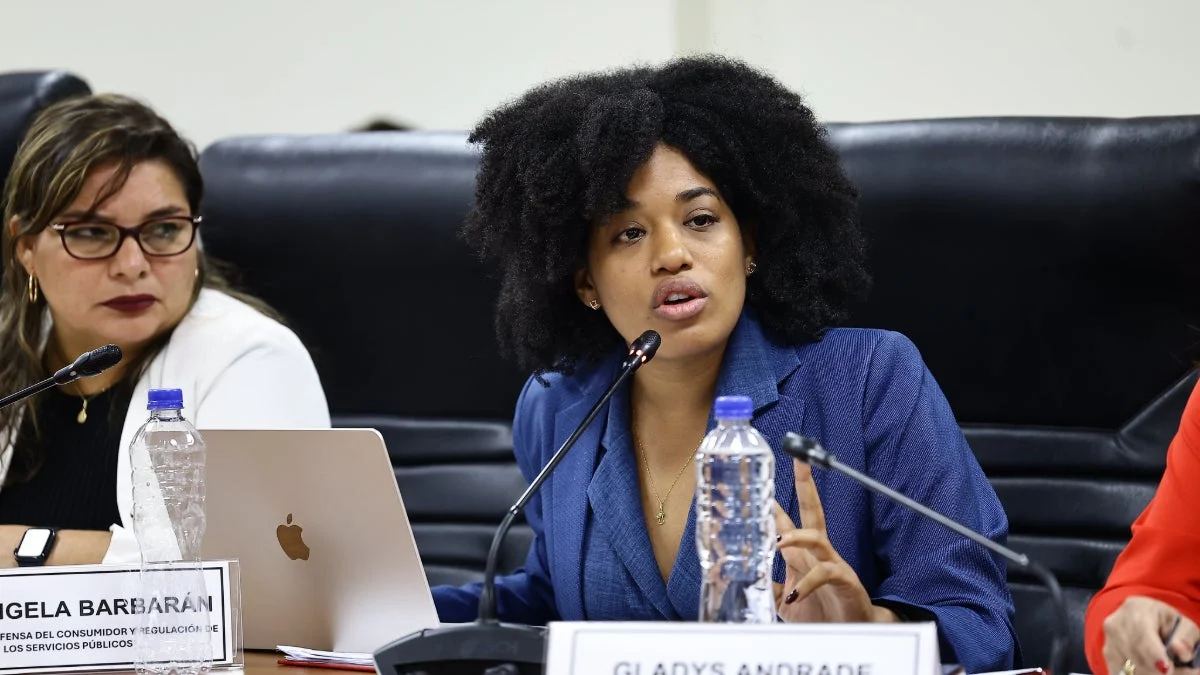
In a recent appearance on the RPP TV program Prueba de Fuego, Congresswoman Rosangella Barbarán provided a candid assessment of the current legislative paralysis. When questioned directly on whether the resistance to the President’s request for delegated powers was organic or manufactured, Barbarán did not mince words. "Yes, of course," she stated, confirming her belief that an internal agreement exists among opposition sectors to deny the government the tools it claims are necessary to govern.
Barbarán pointed to specific evidence to support her claims, citing statements made by the secretary of the Congressional Commission for Consumer Defense. According to the legislator, the secretary openly acknowledged a pre-planned strategy: "We have met and we have agreed that we are not going to grant these powers."
This revelation underscores a deepening divide in the Peruvian legislative chamber. For the administration, the refusal to grant these powers is an act of obstructionism that hinders the government’s ability to address urgent national crises. For the opposition, however, the resistance is presented as a constitutional safeguard against executive overreach.
Chronology: The Escalation of Legislative Tensions
The current standoff is the culmination of several weeks of mounting friction between the Executive and the Legislative branches:
- Initial Proposal: The Fujimori administration introduced a comprehensive package of legislative requests aimed at fast-tracking reforms in economic stabilization and public security.
- Commission Debates: The proposals were sent to various congressional committees, including the Commission on Economy, Banking, Finance, and Financial Intelligence.
- The "Interest Rate" Impasse: Tensions peaked during discussions regarding proposed caps on interest rates. The debate over these caps became a lightning rod for broader opposition to the government’s economic policy.
- The Failed Compromise: In an attempt to break the deadlock, Congresswoman Barbarán proposed a "primary question" to remove the controversial interest rate caps from the broader package, hoping to pass the remaining, less contentious reforms. The opposition rejected this maneuver, signaling a desire to keep the entire package tied up in procedural knots.
- The Current State: The executive remains in a state of legislative limbo, with the administration accusing the opposition of "entrampamiento" (intentional entrapment) of the government’s legislative agenda.
The Constitutional Argument: Oversight vs. Delegation
One of the most significant points of contention is the fundamental misunderstanding—or deliberate misrepresentation—of what the delegation of legislative powers entails.
Barbarán was keen to clarify that granting these powers does not equate to a "blank check" for the President. "The President of the Republic needs to have these powers to be able to legislate during a very short period," she explained. "What they are forgetting is that the Congress does not lose its role of political control. You are not giving the Executive a blank check; you are giving them the facilities, yes, but there is always a commission that will be able to monitor and review the legislative decrees that are eventually issued."
The Role of Congressional Oversight
The Constitution of Peru provides mechanisms for the Congress to audit, modify, or even repeal legislative decrees issued by the Executive. However, critics of the current administration argue that in a polarized environment, the "ex-post" review process is insufficient. They contend that by the time a decree is reviewed by a commission, the policy may have already caused irreversible damage or solidified an executive agenda that bypassed democratic consensus.
Supporting Data and Political Strategy
The attempt to remove the interest rate caps from the debate was a strategic move by the Fujimori camp to salvage the core of their legislative agenda. Barbarán’s rationale was pragmatic: "If this issue of the interest rate caps is such a problematic element, let’s remove it and approve the rest."
The opposition’s refusal to accept this "decoupling" of the agenda suggests that their goal is not merely to negotiate the terms of the legislation, but to prevent the Executive from achieving any significant legislative victories. This strategy is common in "cohabitation" governments where the legislative majority is hostile to the occupant of the presidential palace.
The Security Dimension
Beyond the economic sphere, the government has argued that security reform is the most pressing issue facing the nation. When asked if the Executive would present a new, streamlined project focused exclusively on citizen security, Barbarán noted that the current project is already "on the pitch." She signaled a reluctance to restart the process, suggesting that the administration believes the current request is sufficient and that any further changes would simply be met with more obstruction.
Implications for the Fujimori Administration
The implications of this standoff are severe, both for the government and for the stability of the country.
- Policy Paralysis: With the inability to pass critical legislation, the Executive is forced to govern through existing, potentially outdated laws. This limits the government’s response to economic volatility and rising crime rates.
- Public Perception: The constant bickering between the Palace and the Congress risks further alienating a citizenry already weary of political instability. The perception of a government that cannot "get things done" is a significant liability for the Fujimori administration.
- Institutional Erosion: Frequent battles over the limits of constitutional powers can lead to the erosion of democratic norms. When the opposition relies on procedural maneuvers to block the executive, and the executive accuses the opposition of bad faith, the institutional trust required for a functional democracy evaporates.
Expert Analysis: The Path Forward
Political analysts observing the situation suggest that the deadlock is unlikely to break without a major shift in the political calculus. For the opposition, the cost of being seen as "obstructionist" is weighed against the desire to prevent the President from implementing a platform they fundamentally oppose. For the Fujimori government, the challenge is to build a "bridge" to the center-ground of Congress—a difficult task given the deeply entrenched nature of the current parliamentary alliances.
The Question of Political Will
The "consigna" mentioned by Barbarán suggests that the issue is not one of technical disagreement over specific articles (such as interest rate caps), but one of raw political power. If the opposition is indeed committed to a policy of total denial, no amount of negotiation on specific clauses will satisfy them.
Conclusion
As the debate over delegated powers continues, the Peruvian Congress stands at a crossroads. The assertion by Rosangella Barbarán that a coordinated effort is underway to block the Executive serves as a warning that the country’s legislative process is currently driven more by partisan strategy than by the national interest.
Whether the government can successfully navigate this resistance or whether the Congress will maintain its firm stance remains to be seen. However, one thing is clear: until there is a reconciliation of the roles between the Palace and the Legislative branch, the urgent reforms promised by the administration will remain trapped in the gears of a paralyzed system. The coming weeks will be critical in determining whether this conflict leads to a compromise or a deepening of the democratic crisis in Peru.