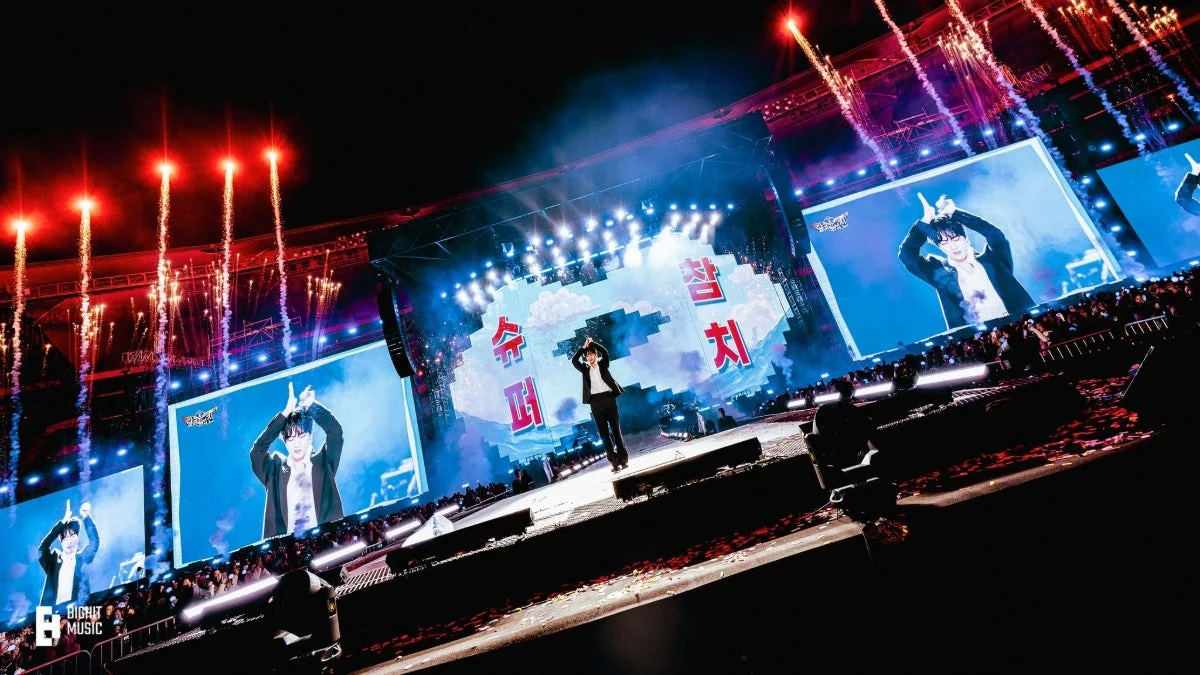
The fervor surrounding BTS’s upcoming arrival in Lima has reached a fever pitch. With the global superstars scheduled to perform at the San Marcos Stadium on October 7, 9, and 10, the "ARMY"—the group’s dedicated fanbase—is experiencing both excitement and desperation. As all official tickets have been officially declared sold out by the primary vendor, Ticketmaster Peru, the secondary market has exploded. However, beneath the surface of this massive cultural event lies a growing epidemic of digital fraud. Cybersecurity experts are issuing urgent warnings: the desperation to secure a seat is providing a fertile breeding ground for sophisticated scammers, counterfeit QR codes, and predatory phishing schemes.
The Anatomy of the Fraud: How Scammers Exploit Hype
The transition from official sales to the secondary market is a critical vulnerability. When supply cannot meet demand, psychological triggers like "scarcity" and "urgency" take over, causing fans to lower their guard. Cybersecurity researchers at Kaspersky have identified several sophisticated methods that criminals are currently employing to target BTS fans in Peru.
Phishing and Impersonation
One of the most prevalent tactics is the creation of "mirror sites." Scammers build websites that mimic the visual identity, color palette, and user interface of authorized ticket vendors. These sites are designed to look professional, often using URLs that are nearly identical to the legitimate ones, save for a minor misspelling or an unusual domain extension (e.g., .net instead of .pe). When a fan enters their credit card information or personal data, they are not buying a ticket; they are handing their identity and financial credentials directly to cybercriminals.
The "Ghost Ticket" and Peer-to-Peer Scams
Beyond phishing, a significant volume of fraud occurs on social media platforms like X (formerly Twitter), Facebook groups, and Telegram. Here, scammers pose as fans who "can no longer attend" the concert. They offer tickets at premium prices, often creating a false sense of urgency by claiming other buyers are already interested. Once the victim sends money via digital wallets or bank transfers, the scammer blocks the buyer and disappears. In many cases, the seller sends a legitimate-looking but fraudulent QR code, which will be rejected immediately upon scanning at the stadium gates.
Chronology of a Crisis: From Official Sell-out to Market Chaos
The trajectory of this situation can be mapped to understand how the risk evolved:
- Initial Launch: The announcement of the concert dates triggered massive web traffic. Ticketmaster Peru was the sole authorized point of sale, utilizing the Quentro app for digital ticket management.
- The "Sold Out" Milestone: Once the "Sold Out" status was confirmed for all three dates, the legitimate primary market closed. This marked the starting point for opportunistic scalpers and professional scammers.
- The Proliferation Phase: Within days of the sell-out, social media platforms saw an influx of "resale" offers. Many of these were legitimate fans reselling at fair prices, but they were quickly overshadowed by sophisticated bot networks and predatory actors.
- Current State: With the concert dates of October 7, 9, and 10 approaching, cybersecurity alerts have been escalated. Law enforcement and event organizers are now tracking a spike in reported scams, where victims arrive at the venue only to find their digital tickets are either invalid, duplicated, or non-existent.
Supporting Data and Security Analysis
Fabio Assolini, lead security researcher for Kaspersky’s Global Research and Analysis Team (GReAT) in Latin America, highlights the evolution of these crimes. "In the days leading up to a major event, criminals shift their strategy. They move away from broad phishing campaigns toward highly personalized social engineering. They know the victim is desperate, and they exploit that emotional vulnerability," Assolini explains.
The data suggests that ticket fraud is not just a nuisance; it is a multi-million-dollar industry. In the context of large-scale events like the BTS residency, the average victim loses not only the price of the ticket—which is often inflated—but also risks losing additional funds through compromised banking credentials used on fake sites.
Official Protocols: How to Verify Authenticity
Ticketmaster Peru and the organizers have repeatedly emphasized that the only way to ensure entry is through authorized channels. The system relies entirely on the Quentro application.
Understanding Digital Transfer
The Quentro system is designed to prevent fraud by creating a unique, time-sensitive QR code. A critical warning for fans: a screenshot of a QR code is not a ticket. Scammers often send a screenshot, claiming it is a valid ticket, but since Quentro codes refresh periodically and are cryptographically linked to the account holder, a static image is useless.
The Verification Checklist
- Direct Transfers Only: If you are buying a ticket from a friend or a third party, the transfer must occur within the Quentro app ecosystem. If the seller refuses to use the official transfer feature, walk away.
- Verify the URL: Before entering any payment information, check the browser address bar. Ensure the domain matches the official Ticketmaster Peru site exactly.
- Beware of "Urgency": If a seller demands an immediate transfer via an untraceable method (like a digital wallet or direct wire transfer) and threatens to sell the ticket to someone else, this is a classic hallmark of a scam.
- Bank Alerts: Ensure your banking app is set to provide real-time notifications for every transaction. If a suspicious charge appears, contact your bank immediately to freeze the account.
Implications for the Industry and the Fandom
The situation in Lima reflects a broader global issue where the digitalization of ticketing, while intended to make access easier, has created new avenues for exploitation. For the BTS concert, the implications are severe. Beyond the financial loss, there is the devastating emotional impact on fans who have spent months—or even years—waiting for this moment, only to be denied entry at the stadium gates.

Furthermore, this scenario places an immense burden on the event organizers and local law enforcement. Stadium security must deal with hundreds of disgruntled individuals who were victims of fraud, leading to congestion and potential safety risks at the venue perimeter.
Conclusion: A Call for Digital Vigilance
As the clock ticks down to the October 7 opening night, the message from cybersecurity experts is clear: If the deal seems too good to be true, or if the source is unverifiable, do not pay.
The thrill of seeing BTS live is unparalleled, but protecting one’s financial security is paramount. Fans are urged to rely strictly on information provided by official channels such as Ticketmaster, Live Nation, and BIGHIT MUSIC. By exercising caution, verifying every digital transaction, and refusing to engage with suspicious secondary market offers, the ARMY can ensure that their concert experience remains a celebration of music rather than a victim of digital crime.
When in doubt, it is always safer to forgo the ticket than to gamble with your financial integrity. Stay informed, stay skeptical, and keep your personal data protected.