In the rapidly evolving landscape of digital culture, vernacular terms often emerge from the subcultures of online gaming and meme communities, eventually permeating the collective consciousness of the mainstream. Recently, a peculiar phrase has dominated TikTok, Instagram, and X (formerly Twitter): "farming aura." While the term may sound cryptic to those outside of the digital native demographic, it has become a central pillar of social performance for Generation Z and Generation Alpha.
At its core, "farming aura" is a modern digital metric for social capital. It refers to the conscious—and often performative—effort to enhance one’s perceived coolness, prestige, or personal magnetism. As the trend gains momentum across Latin America and globally, it invites a deeper look into how digital generations quantify social success and the psychological implications of living in a culture where one’s "vibe" is constantly being scored.
The Genesis of a Digital Metric: What Does "Farming Aura" Mean?
To understand "farming aura," one must first deconstruct the etymology of the two words. "Farming" is a legacy term from the gaming industry, specifically within Massive Multiplayer Online Role-Playing Games (MMORPGs). It describes the repetitive, often tedious process of grinding or performing specific tasks to accumulate experience points, rare items, or currency.
When applied to the concept of "aura"—a term used colloquially to describe the intangible essence, confidence, or "vibe" a person projects—the resulting phrase creates a new social objective. To "farm aura" is to treat one’s social interactions as a game, where every move, gesture, or fashion choice is calculated to accrue "points" in the eyes of observers.
The Scoring System: The Quantified Self
The phenomenon is not merely abstract; it has developed its own quantitative language. Users frequently evaluate behaviors using a point-based system:
- Positive Aura (+10,000): This is awarded for acts of composure, wit, or "main character" energy. If an individual resolves an awkward situation with grace, demonstrates unexpected talent, or displays a moment of profound confidence, they are deemed to have "gained aura."
- Negative Aura (-5,000): This is the social equivalent of a penalty. Actions that cause embarrassment, public social failure, or a lack of self-awareness result in a massive loss of "aura."
This gamification of social status reflects a shift in how young people view their own identities. The "aura" is no longer an innate quality; it is a resource that can be harvested, traded, and lost.
Chronology: From Gaming Lobbies to Viral TikTok Trends
The transition of this term from niche gaming forums to the mainstream was rapid, following a trajectory typical of internet culture in the 2020s.
Phase 1: The Gaming Roots (Early 2023)
Initially, the term was used within gaming communities to describe players who were "try-hards"—individuals who would go to extreme lengths to look impressive in competitive lobbies. It was a semi-ironic label for those who prioritized aesthetics and "flexing" over gameplay efficiency.
Phase 2: The TikTok Translation (Late 2023 – Early 2024)
As gaming culture continued to bleed into lifestyle content, influencers began applying the term to real-life scenarios. The first wave of viral videos featured individuals performing "cool" actions, such as catching a falling object with perfect timing or delivering a witty comeback, captioned with the phrase "plus aura."
Phase 3: The "Aura Battle" Era (Mid-2024 to Present)
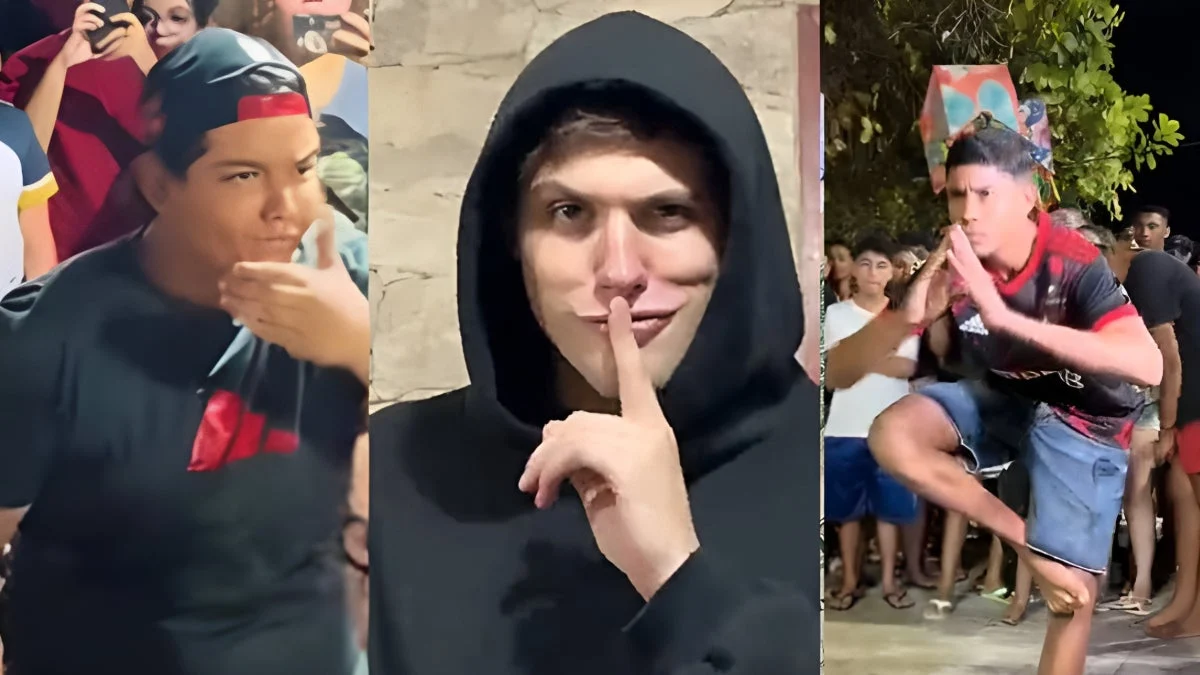
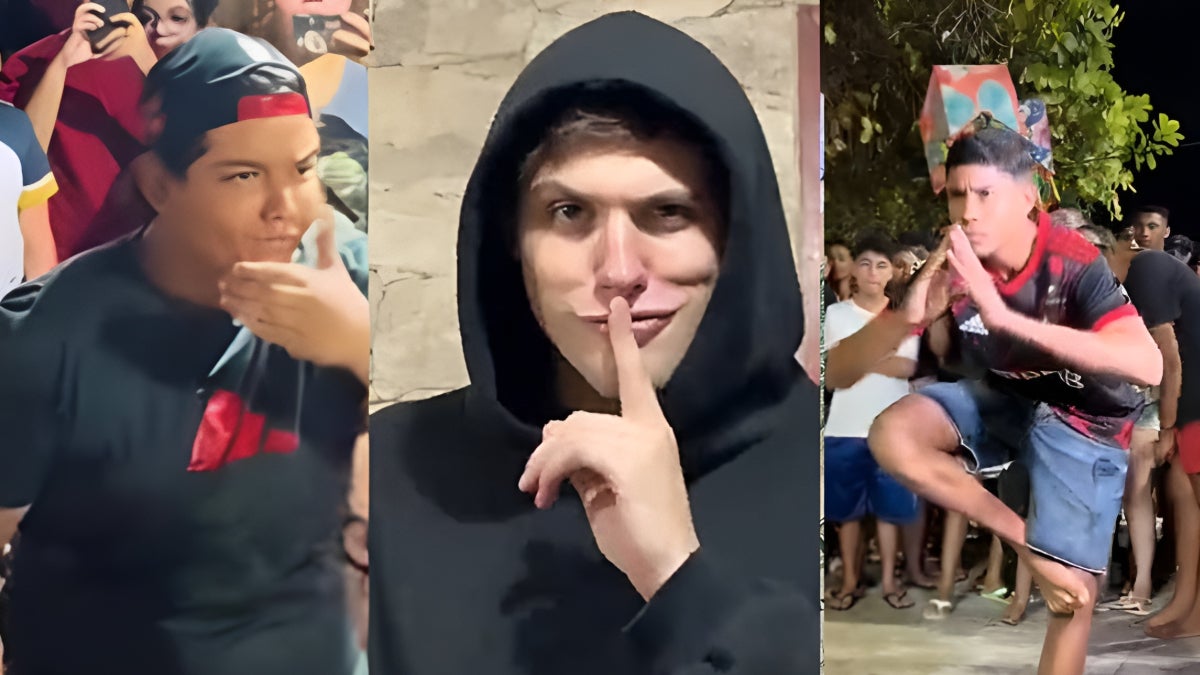
The trend reached its current zenith with the emergence of "Aura Battles." These are choreographed or spontaneous confrontations—frequently filmed in school hallways or public plazas—where two individuals compete to see who can project more charisma. These battles involve stylized movements, "smoldering" stares, or demonstrations of niche skills. The winner is determined by the comment section, which acts as the ultimate arbiter of "aura points."
Supporting Data: The Rise of Performative Identity
While "farming aura" may seem trivial, it is indicative of a broader sociological shift. Data from digital marketing firms tracking Gen Z behavior shows that "personal branding" is no longer reserved for professional influencers; it is a requirement for social survival among youth.
A 2024 report on digital trends suggests that:
- Identity as Currency: Over 65% of Gen Z users report that their online reputation is as important as their offline reputation.
- Short-Form Dominance: The prevalence of short-form video (TikTok, Instagram Reels) incentivizes "aura" behavior, as these platforms reward high-impact, low-context moments that can be easily shared and evaluated.
- The "Main Character" Syndrome: The internal drive to be the protagonist of one’s life is being externalized, with "aura" serving as the metric to track whether the audience is satisfied with the performance.
Official Responses and Psychological Perspectives
Sociologists and digital psychologists have begun to weigh in on the "aura" phenomenon. Dr. Elena Vance, a specialist in youth digital development, notes that while the trend is lighthearted, it masks a deeper pressure.
"Young people have always performed for their peers," Dr. Vance explains. "The difference today is the permanence and the quantification of that performance. When you turn your social personality into a game where you ‘farm’ points, you are essentially commodifying your own identity. You stop acting based on internal values and start acting based on the potential ‘aura’ return on investment."
Some educators have expressed concern regarding the "aura battles," noting that they can inadvertently encourage bullying or the marginalization of those who do not or cannot participate in the trend. However, many youth advocates argue that the trend is largely harmless, serving as a creative outlet for self-expression and community building.
The Implications: Is "Aura" Changing Real-World Interaction?
The implications of "farming aura" are profound, particularly in how it influences interpersonal dynamics.

The Erosion of Authenticity
When every interaction is viewed through the lens of "gaining or losing aura," the barrier between authentic behavior and performative behavior thins. If a person is constantly calculating whether a specific act will increase their "aura," they are effectively living in a perpetual state of self-surveillance.
The Gamification of Social Hierarchy
"Farming aura" provides a new framework for social hierarchy. It allows individuals to bypass traditional metrics of status—such as wealth, athletic ability, or academic success—and replace them with a more abstract, aesthetic-based hierarchy. In this world, anyone can, theoretically, become a "high-aura" individual if they understand the rules of the game.
The Future of Digital Expression
As we move further into the era of the "Quantified Self," we can expect more terms like "farming aura" to emerge. We are witnessing the birth of a language that blends the mechanics of digital software with the realities of human emotion. Whether "aura" will persist as a long-term cultural fixture or be replaced by the next viral trend remains to be seen, but its current dominance is undeniable.
Conclusion
"Farming aura" is more than just a passing fad; it is a window into the psyche of a generation that has grown up entirely within a digital feedback loop. It is a language of performance, a game of social stakes, and a reflection of a world where one’s presence is constantly being measured, edited, and uploaded.
As we observe the evolution of this trend, it is clear that while the terminology is rooted in the digital world, the need for social validation is as human as ever. Whether we are "farming" for digital clout or simply trying to navigate the complexities of modern social life, the quest for "aura" is, at its heart, a quest for recognition in an increasingly crowded and noisy digital landscape.
The next time you hear a student or young adult mention their "aura," remember: they aren’t just talking about a vibe—they are discussing their status in a high-stakes, real-time social game that shows no signs of slowing down.