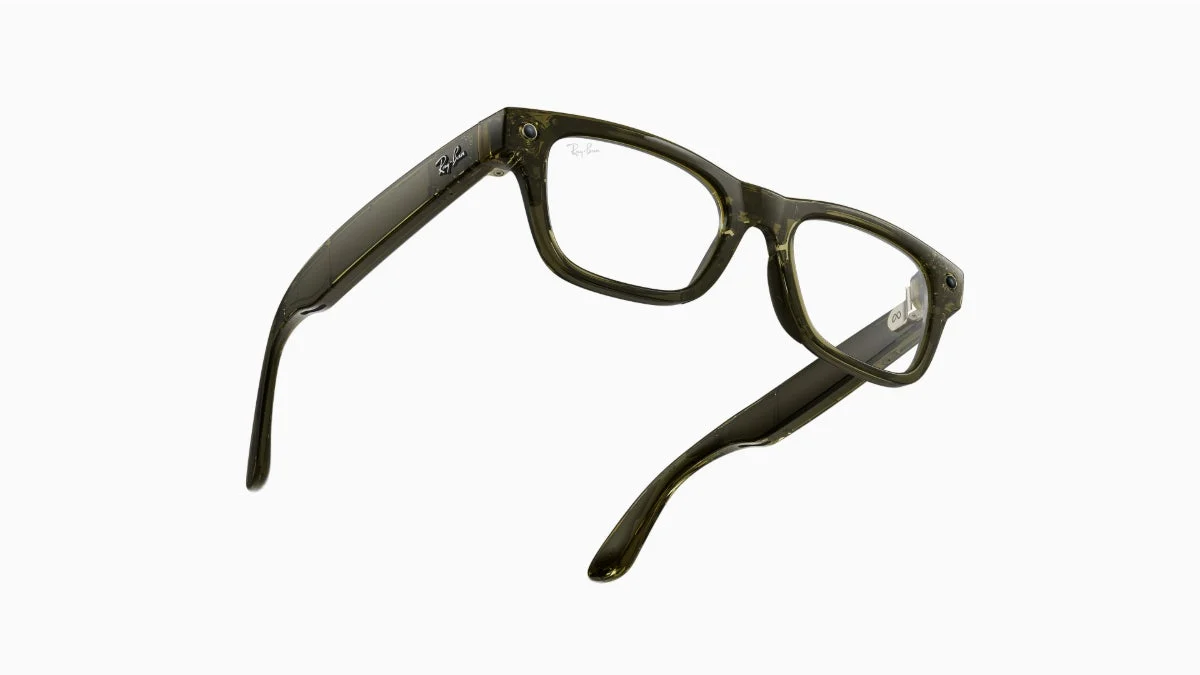
The landscape of wearable technology in Peru has undergone a significant transformation this week with the official commercial launch of the Ray-Ban Meta and Oakley Meta smart glass collections. Marking a new era in how consumers interact with their environment, these devices represent a seamless marriage between classic eyewear design and cutting-edge artificial intelligence. By integrating high-definition cameras, open-ear audio, and real-time AI assistance into frames meant for daily use and athletic performance, the collaboration between Meta and EssilorLuxottica is poised to redefine the "smart" accessory market.
Main Facts: A New Perspective on Daily Life
The core appeal of the new Ray-Ban and Oakley Meta line lies in its ability to capture the user’s perspective without the need to hold a smartphone. The second-generation Ray-Ban Meta collection features a 12-megapixel ultra-wide camera capable of recording crisp video and capturing high-fidelity photos from a first-person point of view. This "hands-free" philosophy is complemented by discreet open-ear speakers, which allow users to listen to music, podcasts, and navigate phone calls while maintaining environmental awareness.
Beyond the hardware, the integration with Meta AI serves as the true "brain" of the device. Users can interact with the assistant via voice commands to perform tasks such as sending messages, asking questions, controlling media playback, and even receiving real-time translations of foreign languages. The ecosystem is anchored by the Meta View app, which serves as the hub for importing media, managing settings, and updating the device’s firmware.
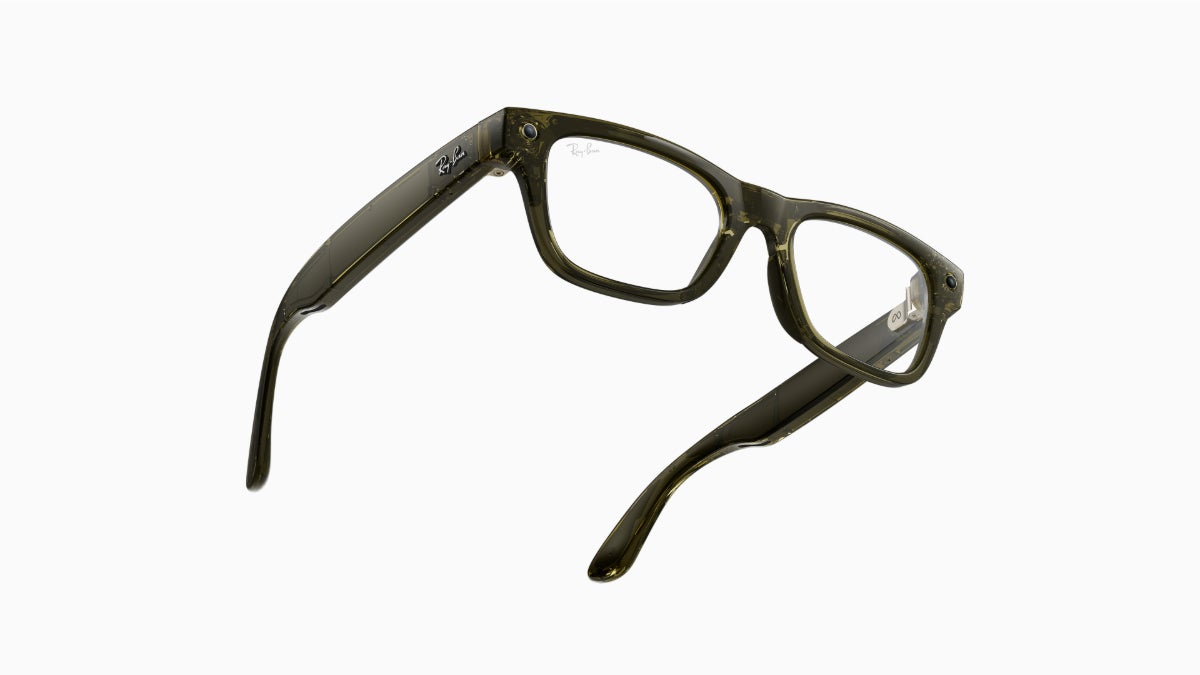
The fashion-forward approach ensures that these are not merely gadgets, but wearable accessories. The Ray-Ban Meta collection launches in iconic styles including the Wayfarer, Headliner, and Skyler, offering a variety of lens options ranging from polarized and transparent to the adaptive Transitions technology. For those requiring vision correction, the Blayzer Optics and Scriber Optics lines provide specialized support for prescription lenses.
A Brief Chronology: From Concept to Peruvian Market
The journey of the Meta smart glasses began years ago under the internal codename "Project Aria," a research initiative designed to map the world and develop the spatial awareness required for future augmented reality (AR) headsets.
- September 2021: Meta and EssilorLuxottica launched the first generation of Ray-Ban Stories. While innovative, these glasses were limited by battery life and camera resolution, serving as a proof-of-concept for the mainstream market.
- September 2023: The second generation of Ray-Ban Meta glasses was unveiled globally, boasting significant improvements in audio quality, camera performance, and the introduction of a more powerful, AI-driven processor.
- Early 2024: Meta began rolling out advanced multimodal AI features, allowing the glasses to "see" what the user sees and provide contextual information.
- July 2026: The official launch in Peru marks a strategic expansion into the South American market, with availability through EssilorLuxottica’s extensive retail network, signaling the product’s maturation from a niche tech toy to a consumer staple.
Supporting Data and Technical Specifications
For the tech-conscious consumer in Peru, the distinction between the lifestyle-oriented Ray-Ban models and the performance-focused Oakley models is critical.
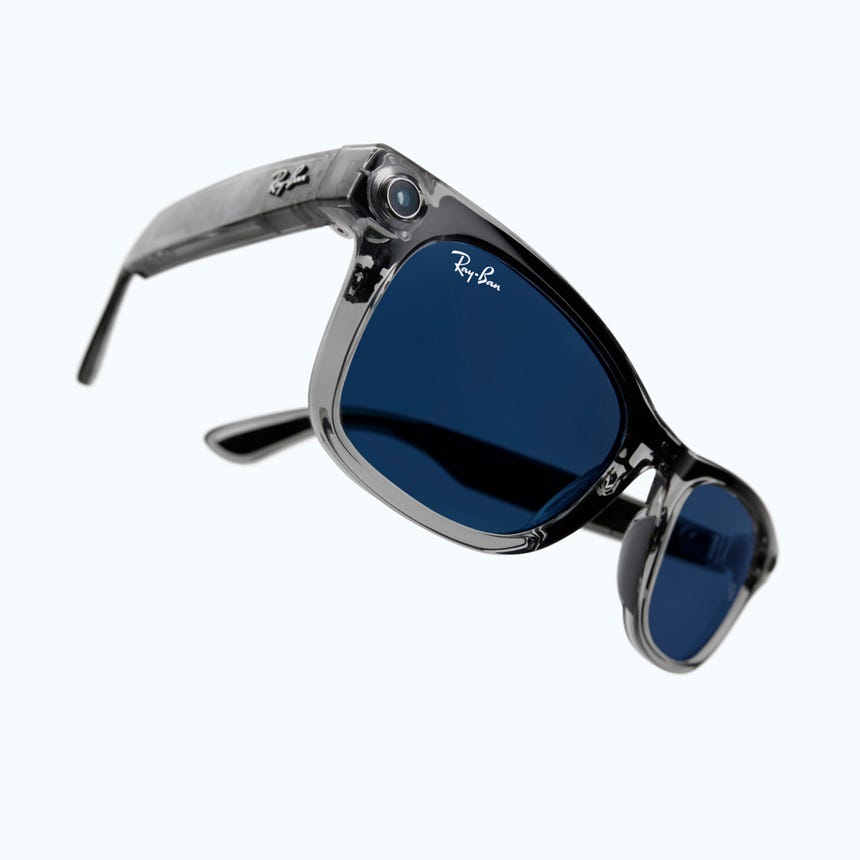
The Oakley Meta collection is engineered for the rigors of high-intensity activity. The Vanguard model is the flagship for outdoor enthusiasts, featuring an IP67 rating—meaning it is fully dust-tight and capable of withstanding immersion in water. It includes the signature Prizm lens technology, which enhances color and contrast, alongside advanced wind-noise reduction for the microphone array, ensuring crystal-clear voice communication even at high speeds or in windy conditions.
The Oakley Meta HSTN, while slightly more lifestyle-focused, maintains an IPX4 water-resistance rating, ensuring it can handle sweat and light rain during exercise. Both models share the foundational 12MP ultra-wide camera technology and open-ear audio, providing consistency across the product ecosystem.
Pricing and Availability:
The entry point for the technology starts at S/ 1,690 for the standard Ray-Ban Meta models. For those requiring prescription optics, the Ray-Ban Meta Optics line starts at S/ 1,890. The premium performance experience provided by the Oakley Meta Vanguard is positioned at S/ 2,190. All items are currently available through authorized EssilorLuxottica retailers across the country.
Official Perspectives and Industry Vision
Meta and EssilorLuxottica executives have framed the launch as a move toward "ambient computing." By removing the friction of the smartphone screen, the companies argue that technology becomes more human and less intrusive.
"Our goal is to create hardware that feels like an extension of the self," stated a spokesperson during the regional announcement. "By integrating the AI assistant into the frame, we aren’t asking the user to look down at a screen; we are asking them to look up and engage with the world around them, with the information they need layered into their experience through audio or captured through a lens."
EssilorLuxottica, the global leader in eyewear, emphasized that the partnership is not about replacing traditional glasses but about "supercharging" them. They highlight that the inclusion of prescription-ready frames (Optics) demonstrates a commitment to making this technology accessible to those who already rely on corrective lenses, effectively removing a major barrier to adoption for the millions of people who wear glasses daily.
Implications: The Social and Ethical Frontier
The introduction of smart glasses into the Peruvian market brings with it broader implications regarding privacy and social etiquette. As with any device that can record video in public spaces, the Ray-Ban and Oakley Meta glasses feature a dedicated LED indicator that glows when the camera is active, signaling to those nearby that a recording is taking place.
Ethicists and privacy advocates have long scrutinized the balance between convenience and the right to privacy in public spaces. Meta has responded by implementing robust data privacy policies, stating that images and videos are encrypted and that the AI assistant’s voice processing is handled with high security standards. However, the onus of responsible use ultimately falls on the consumer.
Furthermore, the integration of AI into eyewear changes the nature of travel and education. With live translation capabilities, a tourist in Cusco or a business traveler in Lima can theoretically understand foreign-language signage or conversations in real-time, effectively breaking down language barriers in a way that was previously confined to the realm of science fiction.
Looking ahead, the success of this launch in Peru will likely serve as a litmus test for the adoption of wearable AI in emerging markets. If the demand for these glasses proves high, it may accelerate the development of even more sophisticated features, such as heads-up displays (HUD) that project information directly onto the lenses, a technology that is currently in the late stages of R&D within Meta’s "Reality Labs."
In conclusion, the arrival of Ray-Ban and Oakley Meta glasses in Peru is more than just a product release; it is a signal that the barrier between the digital world and physical reality is thinning. Whether for capturing a fleeting moment on a mountain trail, navigating a bustling urban center, or simply enjoying high-quality audio while keeping one’s ears free, these smart glasses offer a glimpse into a future where technology is always available, yet never in the way. As consumers begin to integrate these tools into their daily routines, the debate between privacy, utility, and the inevitable march of progress will continue to evolve, marking a fascinating chapter in the digital history of the region.