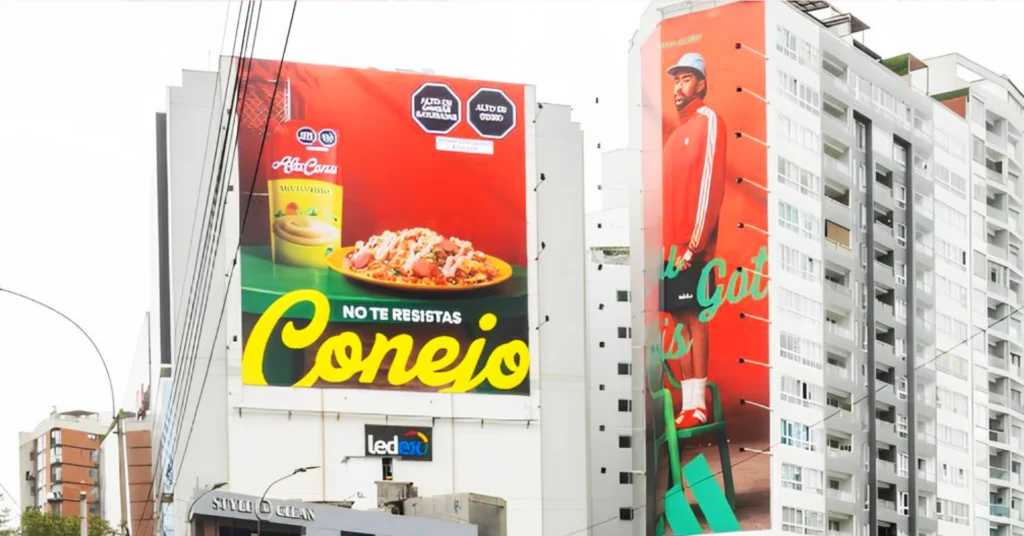
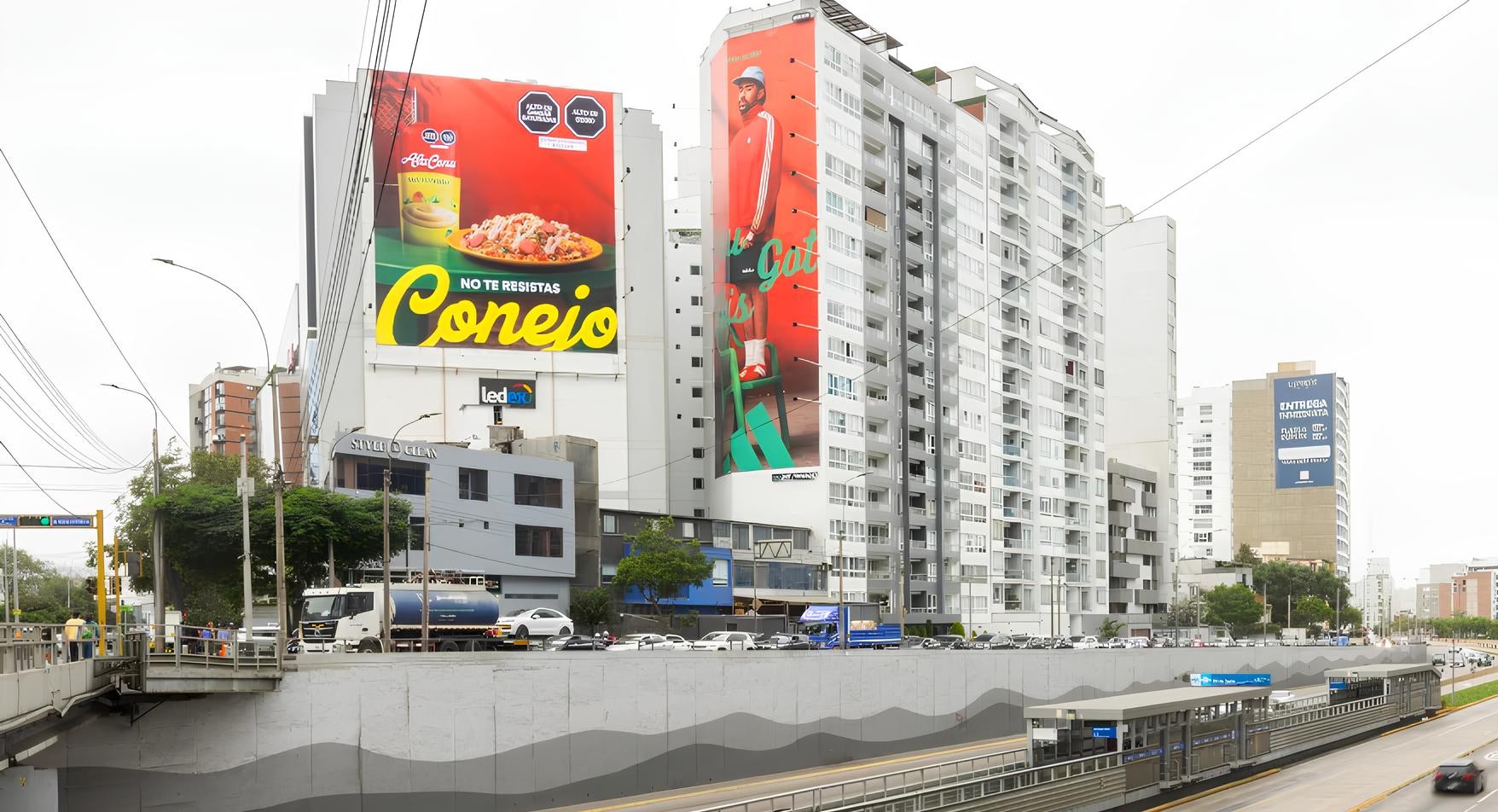
In the heart of Lima’s bustling Miraflores district, a masterclass in tactical marketing has unfolded, turning a routine commute into a viral sensation. At the busy intersection of Avenida 28 de Julio and Paseo de la República—one of the most high-traffic transit points in Peru—a bold, localized advertising intervention by the beloved food brand AlaCena has successfully “piggybacked” onto a massive, high-budget global campaign by the sportswear giant Adidas.
The intervention, which features a cleverly placed billboard positioned mere meters from a dominant Adidas advertisement starring global icon Bad Bunny, has ignited social media, proving that in the digital age, wit and cultural relevance can often outshine sheer advertising spend.
The Anatomy of the Intervention: A Case of Strategic Proximity
The spectacle centers on the juxtaposition of two visual messages. Adidas, currently promoting its global "Backyard Legends" campaign in the lead-up to the 2026 FIFA World Cup, features a towering portrait of the Puerto Rican reggaeton superstar dressed in vibrant red athletic gear. The campaign, which positions Bad Bunny alongside icons like Lionel Messi, Lamine Yamal, and Jude Bellingham, is intended to evoke the raw, grassroots spirit of "street football."
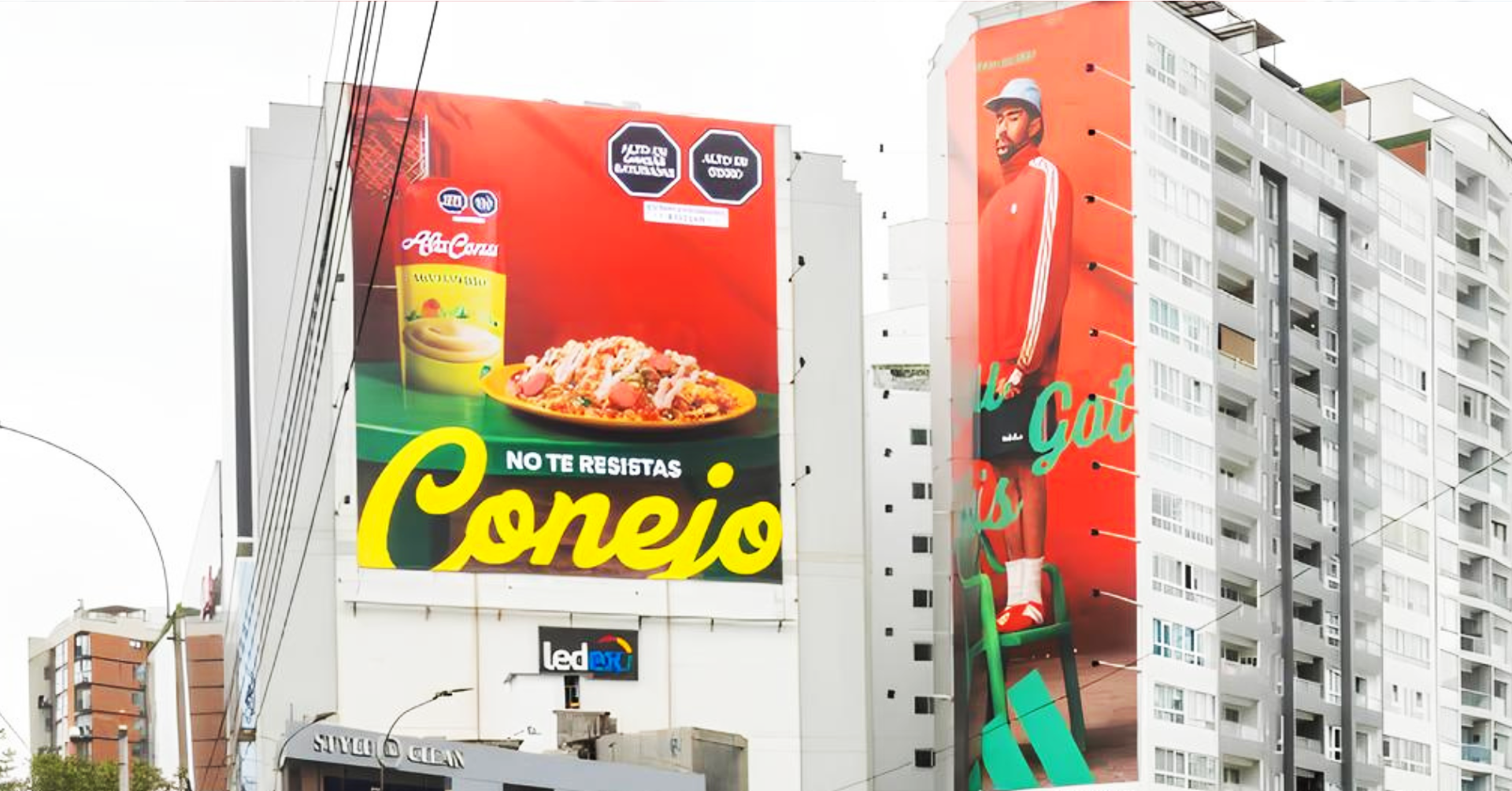
AlaCena, a staple in Peruvian households known for its signature mayonnaise and sauces, recognized an opening. Positioned directly alongside the Adidas installation, the brand unveiled a billboard featuring an appetizing plate of arroz con salchicha (rice with sausage)—a dish widely known to be one of Bad Bunny’s personal favorites. The creative, simple and direct, bore the text: “No te resistas, conejo” (“Don’t resist, bunny”).
By utilizing the same dominant red color palette found in the Adidas creative, AlaCena created a visual bridge between the two pieces. The result was an immediate, organic association that forced pedestrians and drivers alike to double-take, pull out their phones, and share the interaction across TikTok, Instagram, and X (formerly Twitter).
Chronology: From Concept to Viral Phenomenon
The success of this campaign did not happen by accident; it was a carefully calibrated exercise in "newsjacking" and cultural timing.

- Phase 1: The Global Rollout: Adidas launches the "Backyard Legends" campaign, blanketing key urban centers worldwide with the "You Got This" narrative. The Miraflores site is selected as a prime location in Lima for its high visibility.
- Phase 2: The Tactical Assessment: AlaCena’s creative team identifies the site’s potential. Recognizing that Bad Bunny is a cultural lightning rod in Latin America and that his preferences—including his love for specific local comfort foods—are well-documented, the brand begins drafting the response.
- Phase 3: The Execution: The AlaCena billboard is installed. Because it was placed in the same line of sight as the Adidas panel, it transformed the static advertisement into a living, breathing dialogue.
- Phase 4: The Digital Explosion: Within hours of the installation, images of the billboards began trending. Social media users praised the "audacity" and "local flavor" of the campaign, with many tagging both brands to point out the cleverness of the reference.
The Power of Cultural Codes: Why It Worked
Marketing experts often talk about "cultural fluency"—the ability of a brand to understand the nuances of the community it serves. AlaCena’s move was a textbook example of this concept.
The brand did not need to explicitly name the artist or license his image, which would have been a legal and financial nightmare. Instead, by using the moniker "conejo" (bunny) and referencing a specific, culturally resonant dish, they tapped into the existing parasocial relationship fans have with the artist. The audience did the work for them; the consumer’s brain filled in the gaps, creating a sense of "inside-joke" participation.
Furthermore, the campaign benefited from the concept of co-branding without the contract. By associating itself with the high-gloss, premium aesthetic of an Adidas global campaign, AlaCena elevated its own brand perception, positioning itself as a nimble, modern, and culturally connected entity that can hold its own against international giants.

Supporting Data: The Impact of High-Traffic Advertising
The choice of location was non-negotiable for this strategy to succeed. The intersection of 28 de Julio and Paseo de la República is one of the most congested transit arteries in Lima. In outdoor advertising (OOH), the "dwell time" provided by traffic congestion is a goldmine.
- Reach: Thousands of commuters pass this intersection daily, ensuring millions of "eyeballs" over the life of the campaign.
- Organic Amplification: Unlike traditional TV or digital ads that users often skip, this physical stunt was inherently "shareable." The "selfie culture" of modern consumers meant that the billboard became a landmark, leading to hundreds of user-generated content (UGC) posts that extended the reach of the campaign far beyond the physical location of the billboard.
- Brand Sentiment: Analysis of social media discourse suggests a overwhelmingly positive reception. Consumers generally favor "smart" advertising over "intrusive" advertising. By making people laugh or think, AlaCena increased its brand favorability, a metric that is notoriously difficult to move with standard product ads.
Official Responses and Industry Implications
While neither Adidas nor AlaCena have issued formal, multi-page press releases detailing the "battle," the buzz on LinkedIn and industry forums has been substantial. Advertising professionals in the Andean region have lauded the campaign as a "masterclass in guerrilla marketing."
Marketing analysts suggest that this campaign marks a shift in how local brands in emerging markets approach global advertising. Rather than trying to outspend the giants, local players are realizing that they can "parasite" (in a positive, creative sense) off the marketing budgets of global entities by creating clever, context-aware responses.
"This is the future of urban advertising," notes one industry analyst. "The space in a city is limited. When you have a massive, expensive, high-production-value ad, the space next to it becomes the most valuable real estate in the city if you have the wit to use it."
Implications for the Future of Brand Storytelling
The "AlaCena-Adidas" incident raises several questions for the future of brand communication:
- The Death of the "Siloed" Campaign: Can brands still afford to launch campaigns in a vacuum? In an age where every consumer has a camera, any outdoor ad is subject to being "responded to" by competitors or creative bystanders.
- The Value of Speed: The success of this intervention was tied to its speed. The brand had to act while the "Backyard Legends" campaign was still fresh in the public consciousness.
- Risk vs. Reward: While this was a low-risk, high-reward situation, there is always a fine line between a clever homage and copyright infringement. Brands must tread carefully to ensure their "ambush" does not cross the line into legal liability.
Conclusion
The AlaCena intervention in Miraflores serves as a reminder that creativity is the ultimate equalizer. By simply reading the cultural room and choosing the right moment, a local Peruvian brand successfully inserted itself into a global conversation, proving that while money can buy you a billboard, it takes true insight to own the public’s attention. As the 2026 World Cup approaches, we can expect to see more of these "conversational" advertising battles—where the real stadium isn’t just on the grass, but on the streets of our major cities.